Strikes May Set Iran Back but Likely Won't End Nuclear Program, UN Watchdog Chief Warns
Why It Matters
The persistence of Iran’s enriched uranium undermines the effectiveness of kinetic strikes and keeps the risk of a rapid weapons breakout alive, prompting renewed diplomatic focus on verification and negotiations.
Key Takeaways
- •Iran's enriched uranium stockpile largely unchanged after U.S./Israeli strikes
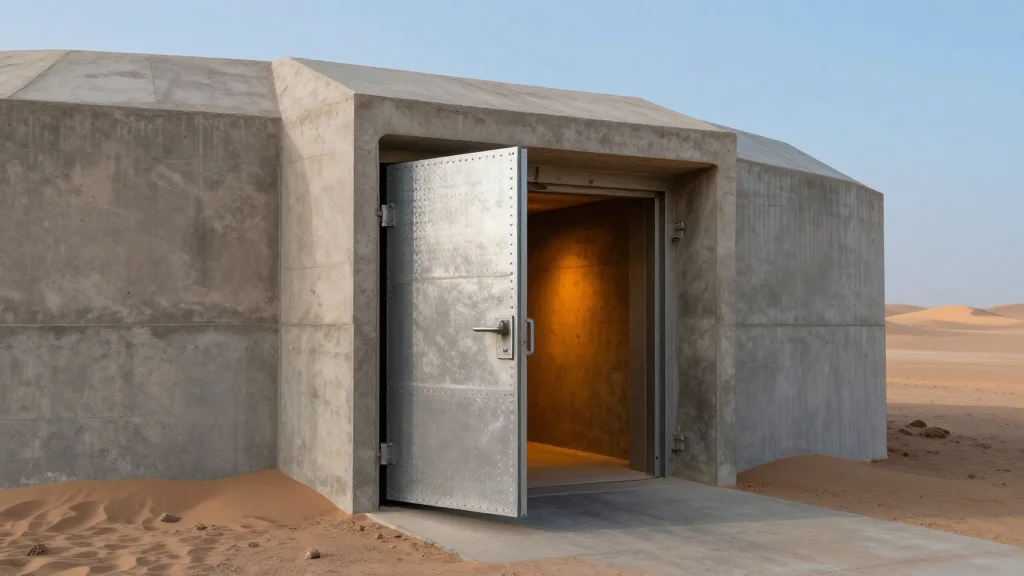
- •Deep‑underground facilities hinder full destruction of Iran's nuclear infrastructure
- •IAEA director says military action cannot replace diplomatic negotiations
- •441 kg of 60% enriched uranium could yield multiple nuclear weapons
- •New underground site near Isfahan remains uninspected, adding uncertainty
Pulse Analysis
The June airstrikes launched by the United States and Israel targeted several of Iran’s known enrichment sites, yet IAEA Director General Rafael Grossi reported that the bulk of the 60‑percent‑enriched uranium remains where it was before the attacks. Much of the material is stored in deep‑underground vaults at Isfahan and Natanz, structures designed to survive conventional bombing. Grossi’s technical assessment underscores a fundamental flaw in relying on kinetic force: without physical access, even the most sophisticated strikes cannot guarantee the removal of concealed nuclear assets.
The IAEA estimates Iran holds roughly 441 kilograms of uranium enriched to 60 percent, a quantity sufficient to produce several nuclear weapons if further enriched. At current centrifuge efficiencies, the final step to weapons‑grade material could be achieved in weeks under optimal conditions, raising alarm among regional security analysts. The persistence of this stockpile, despite aerial degradation of peripheral facilities, means that the strategic calculus for both Tehran and its adversaries remains unchanged: the threat of a rapid breakout continues to drive diplomatic pressure and sanctions regimes.
Grossi’s warning that “military action cannot replace diplomatic negotiations” signals a shift toward renewed dialogue under the Joint Comprehensive Plan of Action framework. However, the IAEA’s limited access to newly declared underground sites near Isfahan hampers verification, leaving gaps that could be exploited for covert enrichment. International stakeholders are likely to push for expanded inspection protocols, satellite monitoring, and confidence‑building measures to close these blind spots. Until a verifiable agreement is reached, the combination of entrenched infrastructure and undisclosed facilities ensures that Iran’s nuclear trajectory will remain a focal point of global non‑proliferation efforts.
Strikes may set Iran back but likely won't end nuclear program, UN watchdog chief warns
Comments
Want to join the conversation?
Loading comments...