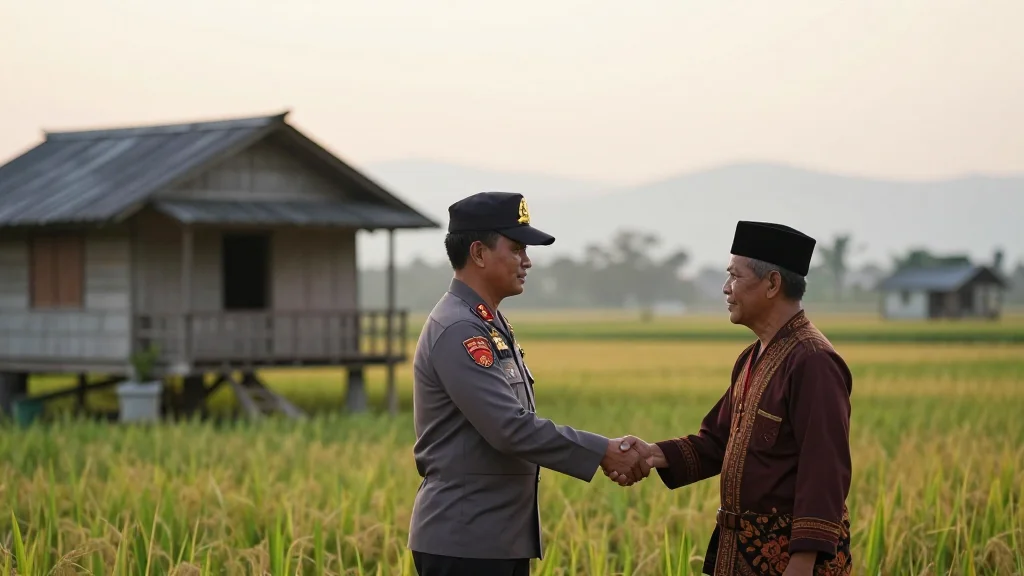
Study Highlights Role of Community-Based Programs in Preventing and Countering Violent Extremism
Why It Matters
The findings underscore that durable PCVE outcomes hinge on institutionalized, well‑funded community collaboration, offering a replicable model for other conflict‑prone regions. Policymakers can leverage these insights to strengthen national security through socially grounded reintegration efforts.
Key Takeaways
- •AGILA Haven blends religious education with local conflict resolution.
- •Ronda Probinsya focuses on education and long‑term community presence.
- •Both programs reduce extremist recruitment through livelihood projects.
- •Funding volatility threatens sustainability of community‑centric PCVE initiatives.
- •Institutional collaboration is essential for long‑term reintegration success.
Pulse Analysis
Community‑based approaches to counter‑terrorism have moved from theory to practice in the Philippines, where two pilot programs illustrate how localized effort can blunt radicalization pipelines. Globally, governments are grappling with the limits of hard‑security measures, and the study highlights that embedding peacebuilding within everyday social structures—religious instruction, conflict mediation, and livelihood creation—offers a more resilient shield against violent extremism. By foregrounding the lived experiences of former extremists and their neighbors, the research adds depth to the growing evidence that PCVE success is as much a social challenge as a security one.
AGILA Haven and Ronda Probinsya sa Kalinaw represent divergent yet complementary models. AGILA Haven’s integrated religious curriculum addresses ideological roots while leveraging Maguindanao’s intricate clan dynamics for dispute resolution. In contrast, Ronda Probinsya capitalizes on Sarangani’s relative stability, deploying consistent educational programs and a sustained community presence to foster trust over time. Both initiatives report measurable reductions in recruitment attempts and improved socioeconomic outcomes for participants, suggesting that tailored interventions can adapt to distinct regional realities while achieving common PCVE goals.
The study also warns that without reliable financing and coordinated inter‑agency support, even the most promising community projects can falter. Fluctuating donor contributions and bureaucratic silos undermine long‑term impact, making institutional commitment a critical factor. Policymakers are urged to institutionalize funding streams, formalize collaboration between security forces, local governments, and civil society, and embed monitoring mechanisms that track reintegration progress. As other nations confront homegrown radicalization, the Philippine experience offers a blueprint: blend culturally resonant education, economic opportunity, and enduring community ties, backed by steadfast political will, to build lasting resilience against violent extremism.
Study Highlights Role of Community-Based Programs in Preventing and Countering Violent Extremism
Comments
Want to join the conversation?
Loading comments...