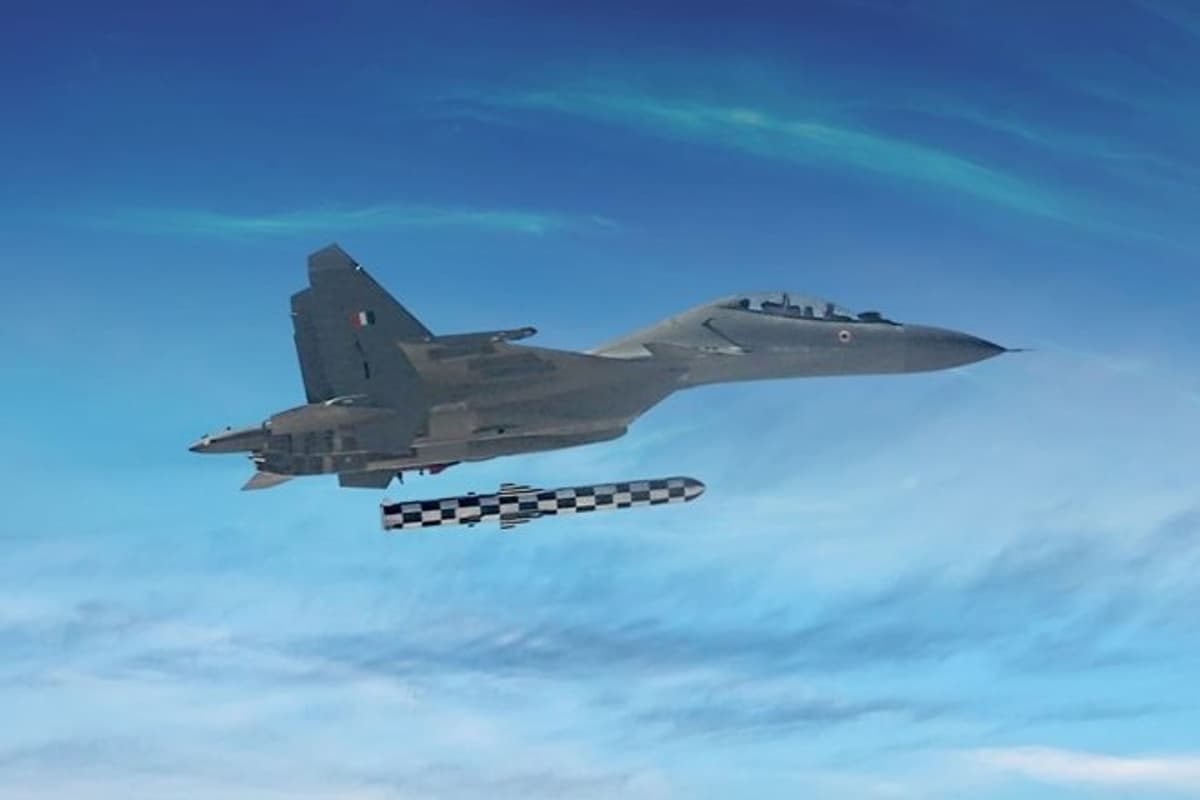
Su-30 MKI: 3 Crashes in 3 Years & 5% Attrition Rate – How India Plans to Modernize Its Sukhoi Jets Amid Renewed Push
•March 9, 2026
0
Why It Matters
Repeated accidents test the IAF’s operational readiness, while the upgrade and new‑build programme seeks to preserve air superiority and sustain India’s strategic deterrence in a volatile region.
Key Takeaways
- •Third Su-30MKI crash in three years, two pilots killed.
- •Attrition rate remains low at ~5% despite incidents.
- •India ordered 12 additional MKIs, ₹13,500 crore contract.
- •Upgrade program targets 84 jets, adds AESA radar, IRST.
- •Modernisation pending Cabinet approval, may approach 5th‑gen capability.
Pulse Analysis
The recent Su-30MKI loss underscores a safety challenge that has haunted India’s premier fighter for three consecutive years. While the crash’s cause remains under investigation, the IAF’s attrition figure of roughly five percent suggests that the fleet’s overall health is still robust compared to other legacy platforms. Analysts note that the aircraft’s proven combat record – from Operation Sindoor’s BrahMos strikes to air‑to‑air missions with Astra missiles – continues to justify its central role despite the mishaps.
India’s response blends procurement and technology refresh. A December 2024 deal will see twelve domestically built MKIs roll off HAL’s Nasik line, bolstering numbers back toward the 272‑aircraft target. Simultaneously, the upgrade roadmap promises indigenous Virupaksha AESA radars, infrared search‑and‑track sensors, and advanced electronic‑warfare suites, initially for 84 jets before scaling to about 200. These enhancements aim to close the capability gap with newer regional fighters, offering longer detection ranges, multi‑sensor fusion and compatibility with next‑generation weapons such as the BrahMos‑A and Astra Mk‑1.
Strategically, a modernised Su‑30MKI fleet preserves India’s air‑dominance posture along its western frontier, where the platform has already deterred Pakistani incursions. The programme also aligns with broader ‘Make in India’ ambitions, reducing reliance on foreign suppliers while inviting Russian collaboration on engine upgrades. If cabinet approval materialises, the upgraded ‘Super’ Sukhois could approximate fifth‑generation performance, reinforcing India’s deterrent credibility and shaping the balance of power in South Asia for the next decade.
Su-30 MKI: 3 Crashes in 3 Years & 5% Attrition Rate – How India Plans to Modernize Its Sukhoi Jets Amid Renewed Push
0
Comments
Want to join the conversation?
Loading comments...