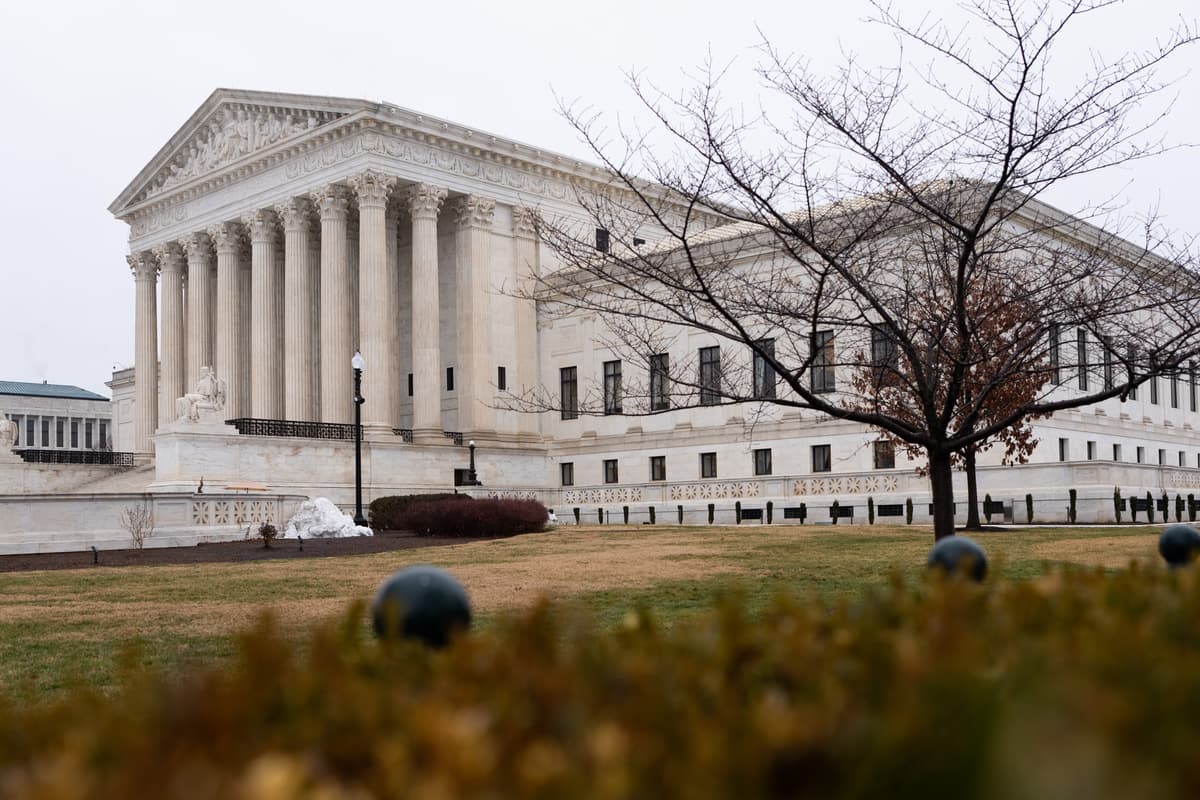
Supreme Court Rules in Favor of Soldier Who Sued Contractor over 2016 Bagram Bombing
Companies Mentioned
Why It Matters
The decision broadens liability exposure for defense contractors in combat zones, prompting a reassessment of risk management, insurance and contract practices across the defense sector.
Key Takeaways
- •Supreme Court allows soldier to sue Fluor for 2016 Bagram bombing
- •Decision narrows wartime immunity, affirming state tort claims against contractors
- •Court rejects preemption argument, citing lack of explicit federal statute
- •Ruling may open flood of lawsuits against defense firms in combat zones
Pulse Analysis
The Supreme Court’s 6‑3 opinion marks a watershed moment for contractor accountability in war zones. By rejecting the blanket preemption argument, the justices signaled that state tort law can reach private firms even when their actions occur on a military base during active conflict. Justice Thomas emphasized that no federal statute expressly shields contractors, carving an exception to the long‑standing combat‑activities exemption of the Federal Tort Claims Act. This legal shift not only validates Hencely’s claim but also sets a precedent for future suits involving negligent security, equipment provision, or oversight failures by defense firms.
For the defense industry, the ruling introduces a new layer of exposure that could reverberate through contract negotiations and insurance underwriting. Companies may now face heightened scrutiny over background checks, tool access, and supervision of local hires in hostile environments. Insurers are likely to adjust premiums and policy terms to account for the risk of state‑law negligence claims, while prime contractors may impose stricter compliance standards on subcontractors to mitigate potential liabilities. The decision also pressures firms to document risk‑mitigation measures more rigorously, as courts may scrutinize any lapse in duty of care.
Beyond immediate financial implications, the case revives the broader debate over the Feres doctrine and the balance of war powers between Congress, the President, and the judiciary. While the Court stopped short of overturning Feres, it affirmed that contractors do not inherit the same sovereign immunity as the military. Lawmakers may respond with legislation clarifying the scope of contractor immunity or establishing a federal compensation scheme for service‑member injuries. As litigation against defense contractors gains momentum, the ruling could reshape how the Department of Defense structures its procurement and oversight frameworks, ensuring greater protection for troops and civilians alike.
Supreme Court rules in favor of soldier who sued contractor over 2016 Bagram bombing
Comments
Want to join the conversation?
Loading comments...