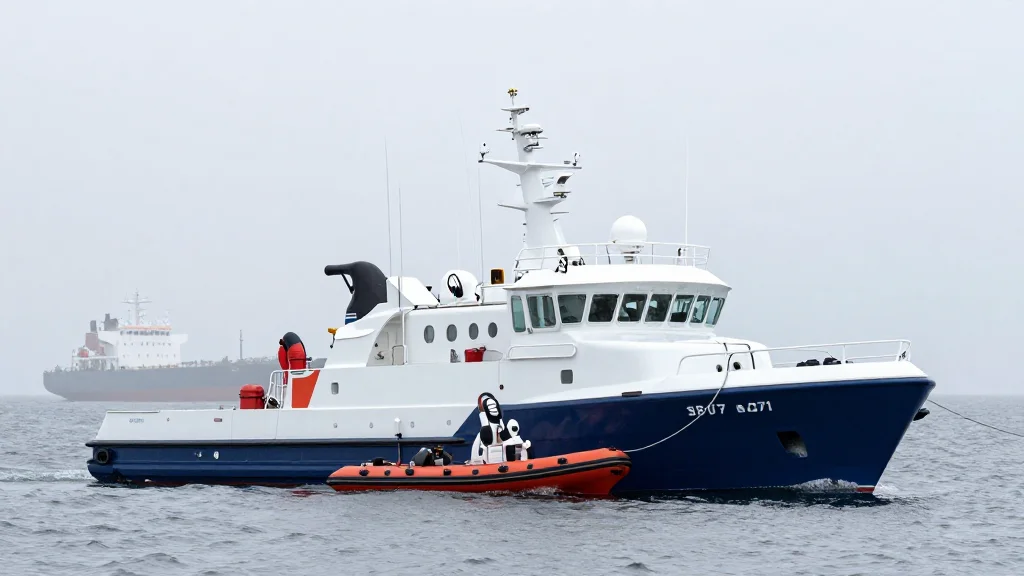
Swedish Coast Guard Seizes Suspected False Flag Tanker in Baltic Sea
Why It Matters
Seizing a shadow‑fleet tanker undermines Russia’s ability to evade sanctions and finance its war, while signaling stronger maritime enforcement by Sweden and its EU partners.
Key Takeaways
- •Swedish coast guard boarded Syrian‑flagged Jin Hui near Trelleborg.
- •Vessel suspected of false flag, linked to Russia’s shadow fleet.
- •Jin Hui appears on EU and UK sanctions lists.
- •Sweden has halted five suspect ships this year for violations.
- •Action intensifies European crackdown on maritime routes funding Ukraine war.
Pulse Analysis
The so‑called Russian shadow fleet has become a linchpin in Moscow’s strategy to bypass Western sanctions since the invasion of Ukraine in 2022. By operating under false flags and using older tankers that skirt modern inspection regimes, these vessels transport oil, fuel and other commodities that finance the war effort. European authorities, led by the EU’s sanctions framework, have increasingly targeted these ships, issuing black‑list designations and coordinating intelligence across member states. The fleet’s opacity, however, makes detection a cat‑and‑mouse game on the high seas.
Sweden’s coast guard intercepted the Jin Hui, a Syrian‑flagged tanker, in the Baltic Sea just south of Trelleborg, citing irregularities in its flag registration and doubts about seaworthiness. The ship appears on both EU and United Kingdom sanctions lists, suggesting a direct link to Russia’s covert logistics network. By boarding the vessel and opening a criminal investigation, Swedish authorities exercised their right under international maritime law to enforce safety standards and sanction compliance within their territorial waters. This seizure marks the fifth such interdiction by Sweden this year, underscoring a proactive enforcement posture.
The operation sends a clear signal to Moscow and other actors that the Baltic corridor will no longer be a blind spot for illicit shipping. As the EU tightens export controls and expands maritime surveillance, the cost of operating false‑flag tankers rises, potentially curbing the flow of revenue that fuels the Ukrainian conflict. Sweden’s collaboration with neighboring Nordic states and NATO partners could lead to a more unified patrol regime, further constraining the shadow fleet’s ability to navigate European waters. Continued pressure may force Russia to seek alternative, less efficient routes, impacting its energy export strategy.
Swedish coast guard seizes suspected false flag tanker in Baltic Sea
Comments
Want to join the conversation?
Loading comments...