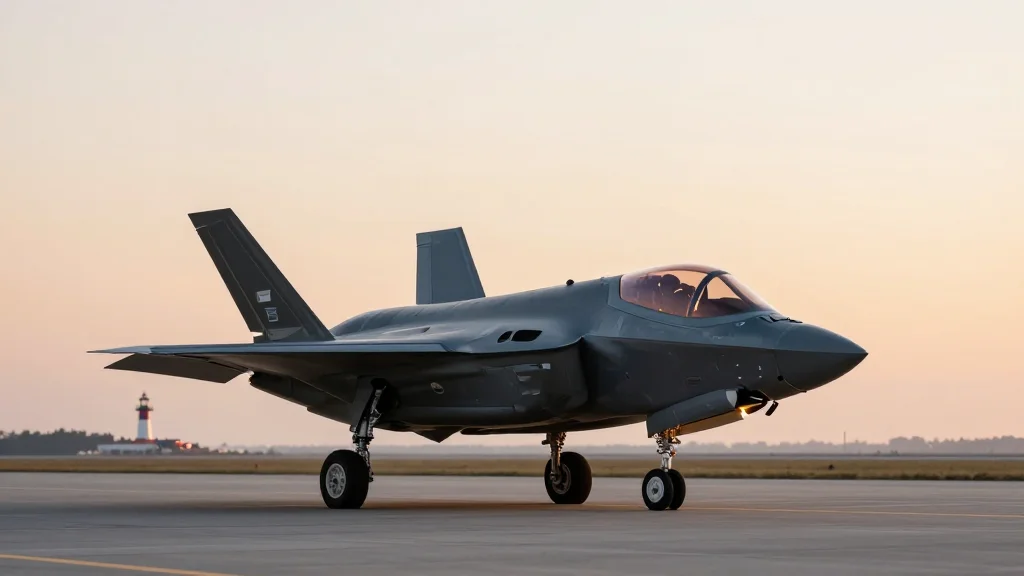
Taiwan Cautiously Optimistic on US Arms Sales Despite Trump’s Remarks
Why It Matters
Continued U.S. arms deliveries are vital for Taiwan’s defence and for global supply‑chain stability, given the island’s semiconductor dominance. The outcome will signal U.S. commitment in the Indo‑Pacific and shape China’s strategic calculus.
Key Takeaways
- •$11 bn approved; $14 bn pending US arms packages.
- •Koo says US policy unchanged under Taiwan Relations Act.
- •China’s war games increase pressure on Taiwan’s security.
- •Taiwan’s semiconductor role makes conflict economically disruptive.
Pulse Analysis
The United States has long used arms sales to Taiwan as a strategic lever, codified in the Taiwan Relations Act, which obligates Washington to provide defensive equipment. The recent $11 bn package, approved in December, represents the most substantial commitment to date, while a $14 bn follow‑on package is still pending congressional sign‑off. These deals underscore a policy continuity that Taipei hopes will deter aggression, even as President Trump’s public statements suggest a more transactional view of arms sales as a negotiating chip with Beijing.
Geopolitical tension has intensified after Trump’s summit with Chinese President Xi Jinping, where Taiwan featured prominently. Beijing’s military has responded with daily sorties around the island and a series of large‑scale war games, the latest in December, signaling a willingness to test Taiwan’s resolve. Taiwan’s defence minister Wellington Koo emphasized that China, not Taiwan, is the provocateur, framing U.S. arms sales as a necessary counterbalance to preserve peace in the Taiwan Strait. The rhetoric from both Washington and Beijing adds uncertainty to the security environment, prompting regional allies to reassess their own defence postures.
Beyond the immediate security calculus, Taiwan’s role as the world’s leading producer of advanced semiconductors makes any conflict a potential shock to the global economy. Disruption to chip manufacturing would reverberate across automotive, consumer electronics, and data‑center markets, amplifying the stakes of a military confrontation. Consequently, the continuation of U.S. arms sales is not only a matter of deterrence but also of safeguarding a critical node in the global supply chain. As Taiwan seeks to secure the remaining two‑thirds of a $40 bn special defence budget, the island’s ability to modernise its forces will hinge on the timely approval of the pending arms package and broader international support.
Taiwan cautiously optimistic on US arms sales despite Trump’s remarks
Comments
Want to join the conversation?
Loading comments...