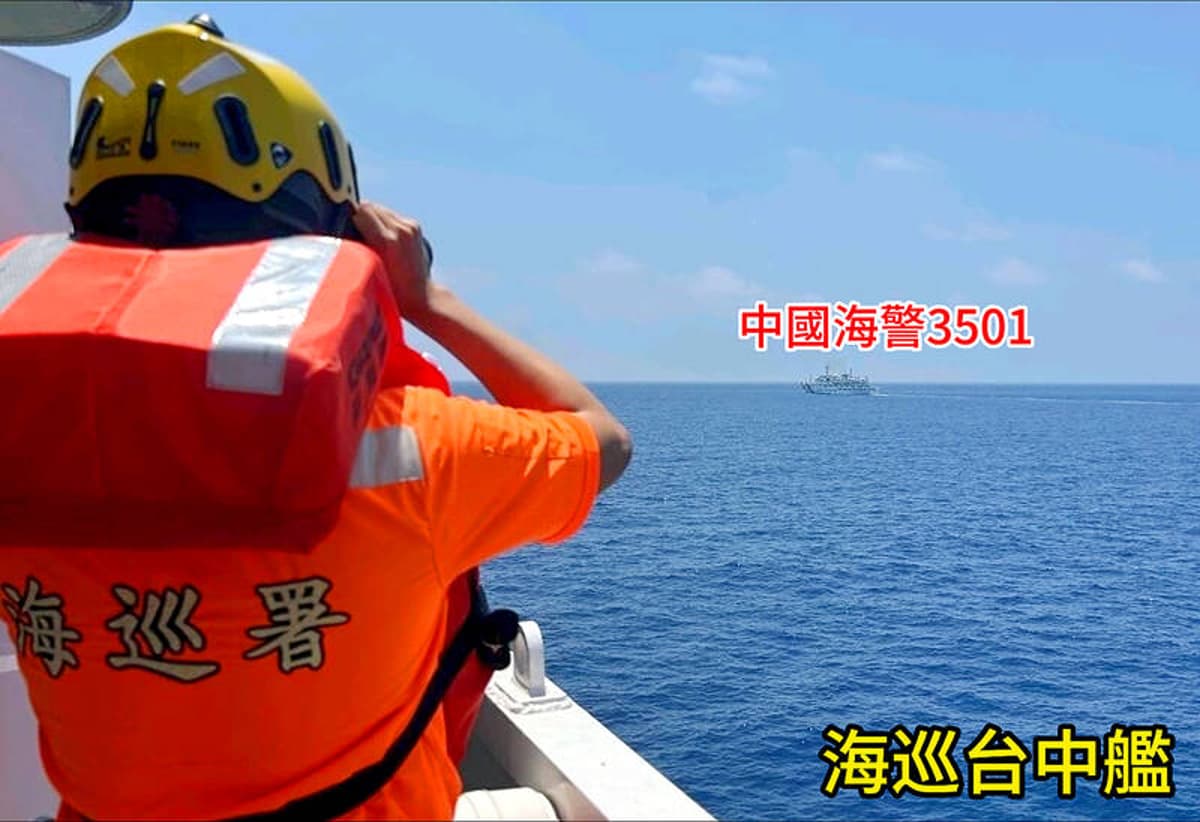
Taiwan, China Coast Guards Argue in South China Sea
Why It Matters
The confrontation highlights escalating maritime tensions between Taiwan and China, raising concerns about freedom of navigation and the security of Taiwan‑controlled outposts in a contested sea lane. It also signals China's broader push to extend its operational reach across the Indo‑Pacific.
Key Takeaways
- •33‑hour radio standoff between Taiwan and China near Pratas Islands
- •Chinese Coast Guard vessel 3501 left after 26.6 nautical miles from Pratas
- •Taiwan’s CGA warned China, citing sovereignty and regional peace
- •Pratas Islands lie 400 km from Taiwan, lightly defended by coast guard
- •China’s research fleet now operates across First to Third Island Chains
Pulse Analysis
The Pratas Islands, a Taiwanese‑administered atoll perched between Taiwan and Hong Kong, have become a flashpoint in the South China Sea dispute. While the islands host a national park and a modest coast‑guard presence, their location—over 400 km from Taiwan’s main island—makes them strategically valuable for monitoring shipping lanes and asserting territorial claims. The recent 33‑hour radio exchange between Taiwan’s Coast Guard Administration and China’s vessel CG 3501 illustrates how even low‑intensity encounters can amplify diplomatic friction, especially when both sides invoke sovereignty and international law.
China’s maritime strategy has evolved from traditional naval patrols to a diversified fleet of over 120 oceanographic research vessels that now operate far beyond the First Island Chain. By extending their reach into the Second and Third Island Chains, including waters near Guam and Hawaii, Beijing is testing the limits of regional tolerance and gathering data that could support future naval operations. Taiwan’s response—broadcasting firm warnings and highlighting the deceptive nature of China’s proclaimed "peace"—reflects a broader effort to deter incremental encroachments without escalating to kinetic conflict.
For policymakers and investors, the incident signals heightened risk for supply‑chain routes that thread the South China Sea, a corridor that handles a sizable share of global trade. It also underscores the importance of allied support for Taiwan’s maritime security, as the United States and its partners monitor China’s expanding presence. As Beijing continues to press its claims, stakeholders should watch for further incidents that could trigger diplomatic protests, sanctions, or shifts in defense postures across the Indo‑Pacific region.
Taiwan, China coast guards argue in South China Sea
Comments
Want to join the conversation?
Loading comments...