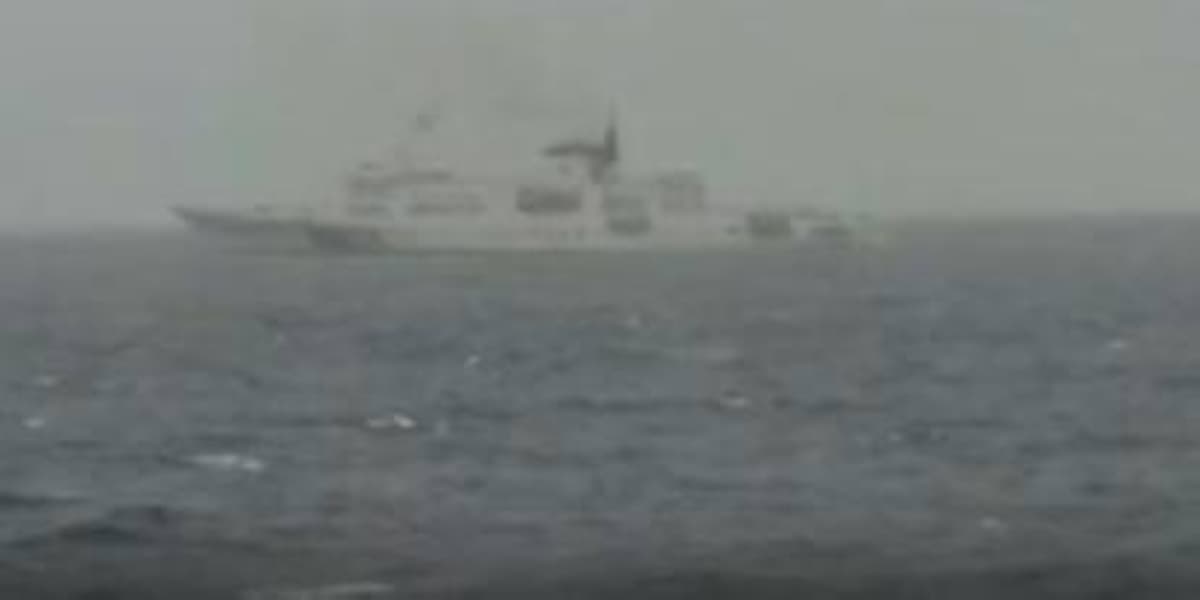
Taiwan Coast Guard Says Its Vessels in 'Standoff' With China Ships
Why It Matters
The incident escalates Taiwan‑China maritime rivalry, threatening regional stability and vital trade routes. It also shows China’s readiness to use quasi‑law‑enforcement actions to reinforce sovereignty claims, prompting allied pushback.
Key Takeaways
- •Taiwan expelled four Chinese vessels from restricted waters
- •Seven Taiwanese patrol ships monitor the standoff zone
- •China’s operation linked to Japan‑Philippines boundary talks
- •Beijing calls the talks illegal and claims exclusive jurisdiction
- •Incident raises risk of broader East China Sea confrontation
Pulse Analysis
The Taiwan Strait has long been a flashpoint, but the latest confrontation marks a new intensity. After Japan and the Philippines announced plans to delimit their maritime boundary east of Taiwan, Beijing swiftly organized a “special maritime traffic law‑enforcement operation,” deploying vessels from Fujian and Guangdong. Taiwan’s coast guard responded by expelling four Chinese ships and bolstering its presence with seven patrol vessels, positioning them just 33 nautical miles from the island’s southern tip. This rapid escalation reflects China’s strategy of using coast‑guard and maritime police assets to project power without overt military engagement, a pattern seen repeatedly in the East China Sea and South China Sea.
The Japan‑Philippines talks have broader strategic implications. Both nations share concerns over China’s expansive claims, and their move to formalize a maritime boundary directly challenges Beijing’s narrative of exclusive control around Taiwan. By framing the operation as a response to “illegal” negotiations, China seeks to delegitimize the trilateral cooperation while maintaining a veneer of legal enforcement. This diplomatic tug‑of‑war fuels uncertainty for regional actors, as any misstep could trigger a larger naval encounter, especially given the proximity of contested features like the Pratas Islands, where coordinated Chinese coast‑guard and survey vessels have already provoked Taiwan.
For businesses and investors, heightened maritime tension translates into risk for shipping lanes that carry a significant share of global trade. A prolonged standoff could lead to rerouting of vessels, higher insurance premiums, and potential disruptions to supply chains that rely on the Pacific corridor. Moreover, the incident may accelerate defense spending and deepen security partnerships among the United States, Japan, the Philippines, and Taiwan. Monitoring how diplomatic channels evolve and whether de‑escalation mechanisms are activated will be crucial for assessing the long‑term impact on regional stability and economic continuity.
Taiwan coast guard says its vessels in 'standoff' with China ships
Comments
Want to join the conversation?
Loading comments...