Taiwan Could Learn From Ukraine. Informally, Connections Are Growing.
Why It Matters
Taiwan can accelerate its asymmetric defense capabilities by learning from Ukraine’s drone warfare, reshaping the security calculus in the Indo‑Pacific as China’s assertiveness rises.
Key Takeaways
- •Taiwanese volunteers fight in Ukraine to gain drone combat experience
- •Informal network bypasses lack of diplomatic ties between Taiwan and Ukraine
- •Both sides share lessons despite reliance on Chinese components
- •Ukraine follows One China policy, limiting official support for Taiwan
- •Drone expertise could shape Taiwan's defense if China escalates
Pulse Analysis
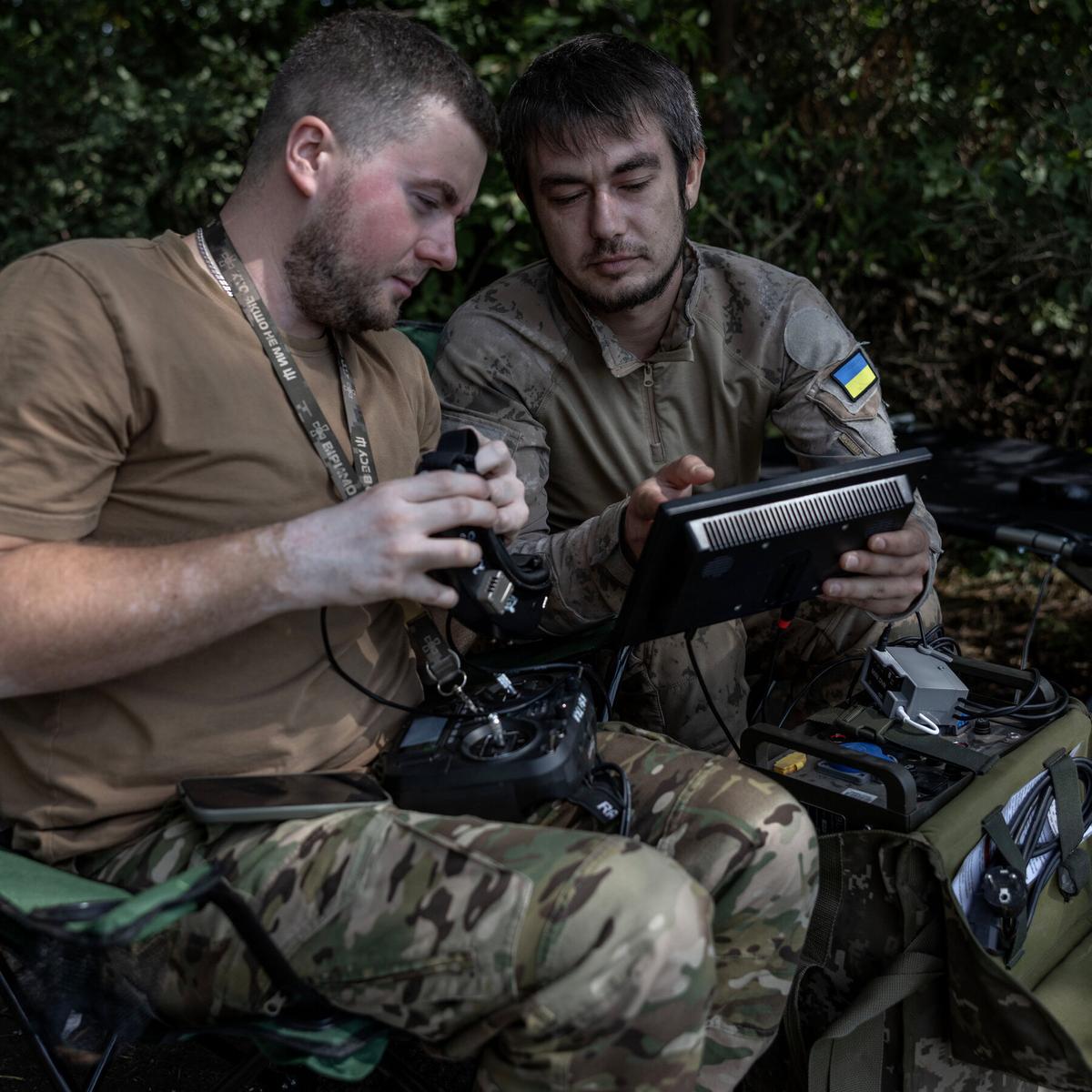
The emergence of a grassroots defense network linking Ukraine and Taiwan illustrates how shared security threats can forge unconventional partnerships. Volunteers like Lee, a former parcel courier turned Ukrainian soldier, are gaining hands‑on experience with low‑cost, high‑impact drone systems. Their insights flow back to Taiwan’s private sector, where companies are already experimenting with swarms, AI‑guided targeting, and rapid prototyping. By sidestepping formal diplomatic channels, the network avoids the political fallout that official aid would trigger, while still delivering practical knowledge that can be adapted to Taiwan’s island‑defense doctrine.
For Taiwan, the Ukrainian conflict serves as a live laboratory for asymmetric warfare. Chinese aggression has pushed Taipei to prioritize cost‑effective, technology‑driven solutions that can offset a numerically superior adversary. Drone warfare, in particular, offers a means to disrupt amphibious landings, surveil coastal approaches, and impose attrition without massive conventional forces. However, both Ukraine’s drone industry and Taiwan’s supply chains remain entangled with Chinese component manufacturers, creating a paradox where the very tools used to counter China depend on its own market. Understanding how Ukraine mitigates these dependencies—through diversification, reverse engineering, and rapid supply‑chain adjustments—provides Taiwan with a roadmap to bolster resilience.
The broader geopolitical implications extend beyond the two islands. As Ukraine demonstrates the strategic value of cheap, proliferated unmanned systems, other small or medium powers may emulate this model, reshaping regional security dynamics. Yet the informal nature of the Taiwan‑Ukraine link also underscores the limits imposed by great‑power politics; Beijing’s sensitivity to any perceived alignment forces both sides to operate in the shadows. Policymakers in Taipei must weigh the benefits of deeper technical exchange against the risk of escalating Chinese retaliation, while also exploring ways to institutionalize knowledge transfer without overt diplomatic overtures. The evolving partnership hints at a future where informal networks become critical conduits for defense innovation in a contested world.
Taiwan Could Learn From Ukraine. Informally, Connections Are Growing.
Comments
Want to join the conversation?
Loading comments...