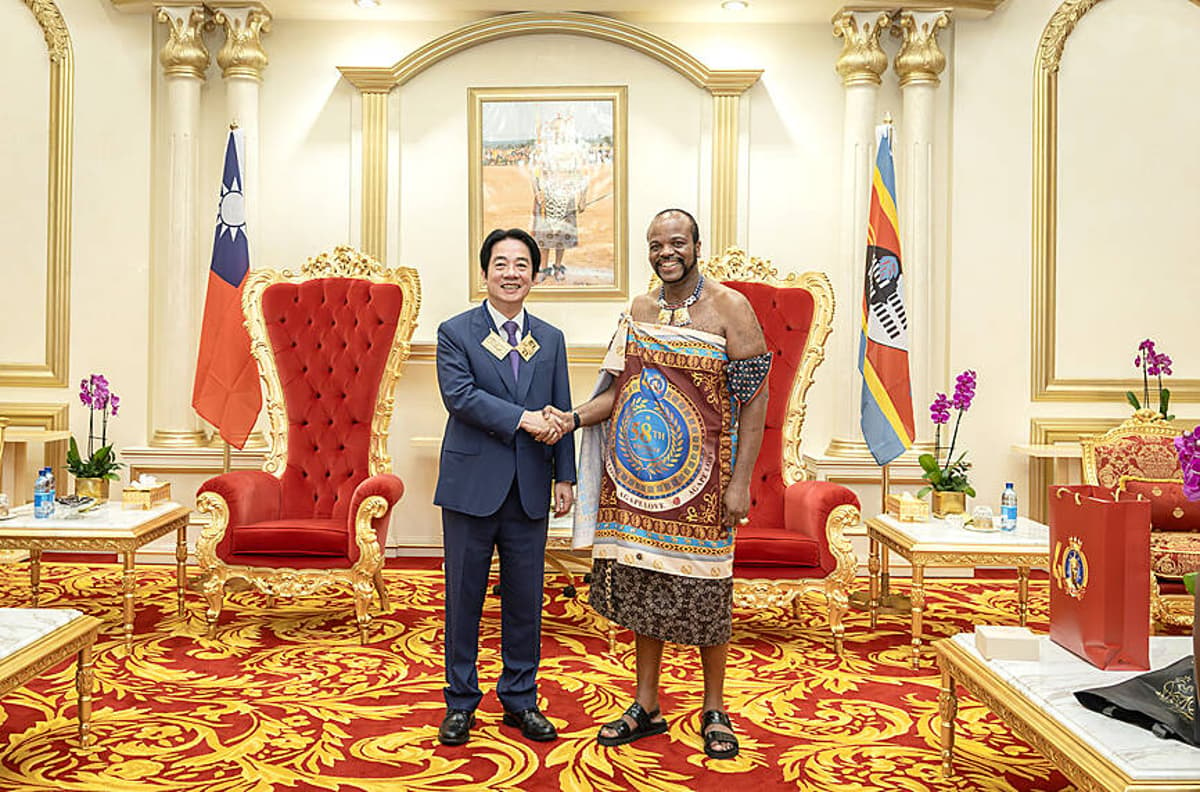
Taiwan Dismisses China Jibes over Eswatini Trip
Why It Matters
The episode shows how China’s coercive tactics can disrupt international air routes, raising security concerns, while Taiwan’s successful visit reinforces its ability to maintain diplomatic ties despite pressure.
Key Takeaways
- •Three Indian Ocean states withdrew overflight rights after alleged Chinese pressure.
- •Taiwan’s president traveled to Eswatini without prior announcement, citing safety protocols.
- •Beijing called the visit “sneaky,” but Taiwan rejected any need for permission.
- •Incident spotlights weaponisation of civil aviation and Taiwan’s diplomatic resilience.
Pulse Analysis
Taiwan’s diplomatic landscape is defined by a handful of formal allies, with Eswatini remaining one of the few African nations that maintain official ties. President William Lai’s surprise visit, conducted on an Eswatini‑provided aircraft, underscores Taipei’s strategy of leveraging high‑level engagements to reinforce those relationships. By announcing the trip only after arrival, Taiwan aligns with a diplomatic norm that prioritises security and flexibility, especially when operating under the shadow of Beijing’s attempts to limit its international space.
The trip quickly became a flashpoint when Seychelles, Madagascar and Mauritius rescinded over‑flight permissions for Lai’s chartered plane, a move widely attributed to Chinese pressure. Such revocations are rare in civil aviation and raise alarms about the weaponisation of air‑space rights as a geopolitical tool. International aviation bodies stress that unrestricted air routes are essential for safety and commerce; using them to punish a political entity threatens established norms and could set a precedent for future coercion, prompting broader concerns among airlines and governments.
Beyond the immediate logistics, the incident signals a shifting calculus in cross‑strait relations. Taiwan’s ability to complete the journey despite the blockade demonstrates a growing resilience and willingness to challenge Beijing’s diplomatic isolation tactics. For China, the backlash—amplified by global media coverage—highlights the limits of pressure tactics that may erode its standing among neutral states. Observers predict that Taiwan will continue to pursue high‑profile visits, leveraging the narrative of democratic endurance to attract sympathetic partners, while Beijing may need to recalibrate its approach to avoid further alienating the international community.
Taiwan dismisses China jibes over Eswatini trip
Comments
Want to join the conversation?
Loading comments...