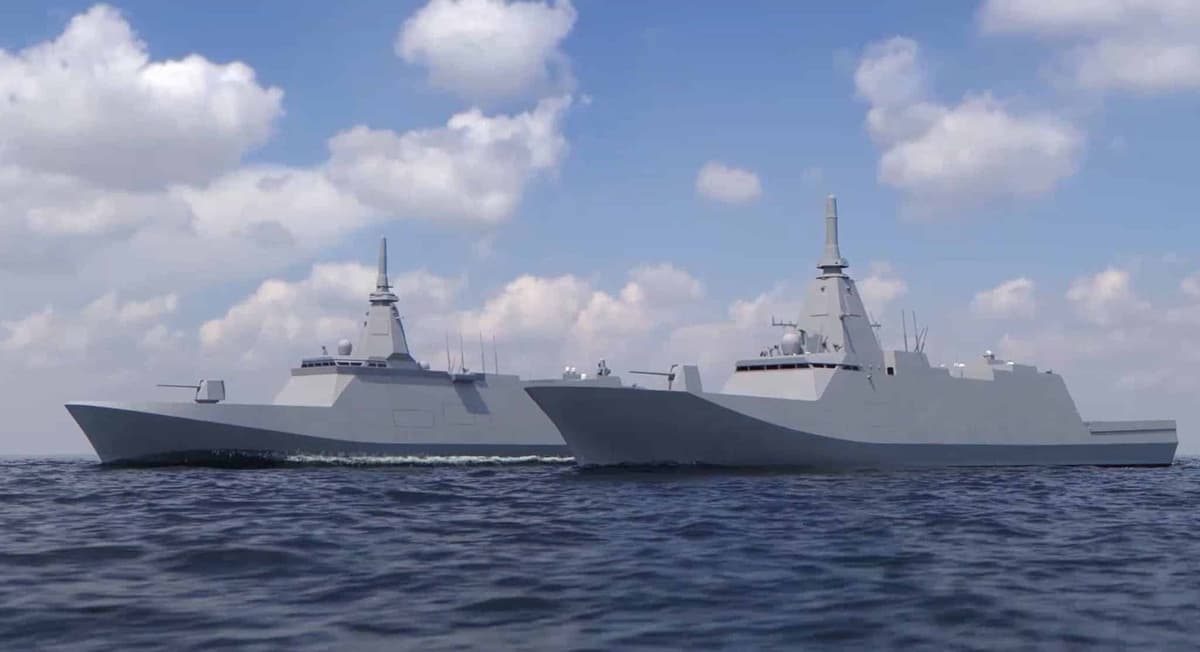
Taiwan Eyes Japan’s New FFM as Frigate Option
Companies Mentioned
Why It Matters
Adopting the New FFM could dramatically shorten Taiwan’s frigate procurement timeline while enhancing interoperability with U.S. forces, reshaping the island’s maritime defense posture. The move also tests the limits of Japan’s new export policy amid rising China‑Japan tensions.
Key Takeaways
- •Taiwan evaluates Japan's New FFM to meet 6,000‑ton frigate goal
- •New FFM offers stealth, automation, and U.S. system interoperability
- •Blueprint export could accelerate Taiwan's shipbuilding timeline
- •Domestic weapons from NCSIST will still equip the Taiwanese variant
- •Japan's policy shift eases exports but risks China tensions
Pulse Analysis
Taiwan’s frigate program has been in flux since 2016, driven by the need to replace its aging Perry‑class and La Fayette‑derived vessels. After a 2022 setback over radar specifications, the project was revived in 2024 with President Lai Ching‑te confirming a target displacement of roughly 6,500 tons and a lean 100‑person crew. The ROC Navy’s emphasis on network‑centric warfare and automation reflects a broader shift toward high‑tech, low‑manpower platforms that can integrate unmanned systems and operate seamlessly with allied forces.
Japan’s New FFM, an upgraded Mogami‑class design, aligns closely with Taiwan’s specifications. Displacing around 6,000 tons, the frigate incorporates advanced stealth shaping, a modern combat management system, and built‑in support for unmanned surface and aerial vehicles. Its architecture is already compatible with U.S. weapon suites, a critical factor for Taiwan’s defense strategy. The platform’s export to allies such as Australia demonstrates its export‑ready status, and Japan’s recent decision to relax defense‑equipment export rules could allow Taiwan to acquire detailed blueprints, slashing development time and costs.
Nevertheless, the prospect of Japan supplying a major surface combatant to Taiwan treads on delicate diplomatic ground. While Tokyo has signaled a willingness to bolster its defense industrial base, it still lacks formal diplomatic ties with Taipei and must weigh the fallout with Beijing. Any transfer of FFM technology would likely provoke strong Chinese objections, potentially escalating regional tensions. For Taiwan, securing the design could provide a rapid capability boost, but the path forward will depend on how Japan balances commercial interests, alliance commitments, and the broader security environment in the Indo‑Pacific.
Taiwan eyes Japan’s New FFM as frigate option
Comments
Want to join the conversation?
Loading comments...