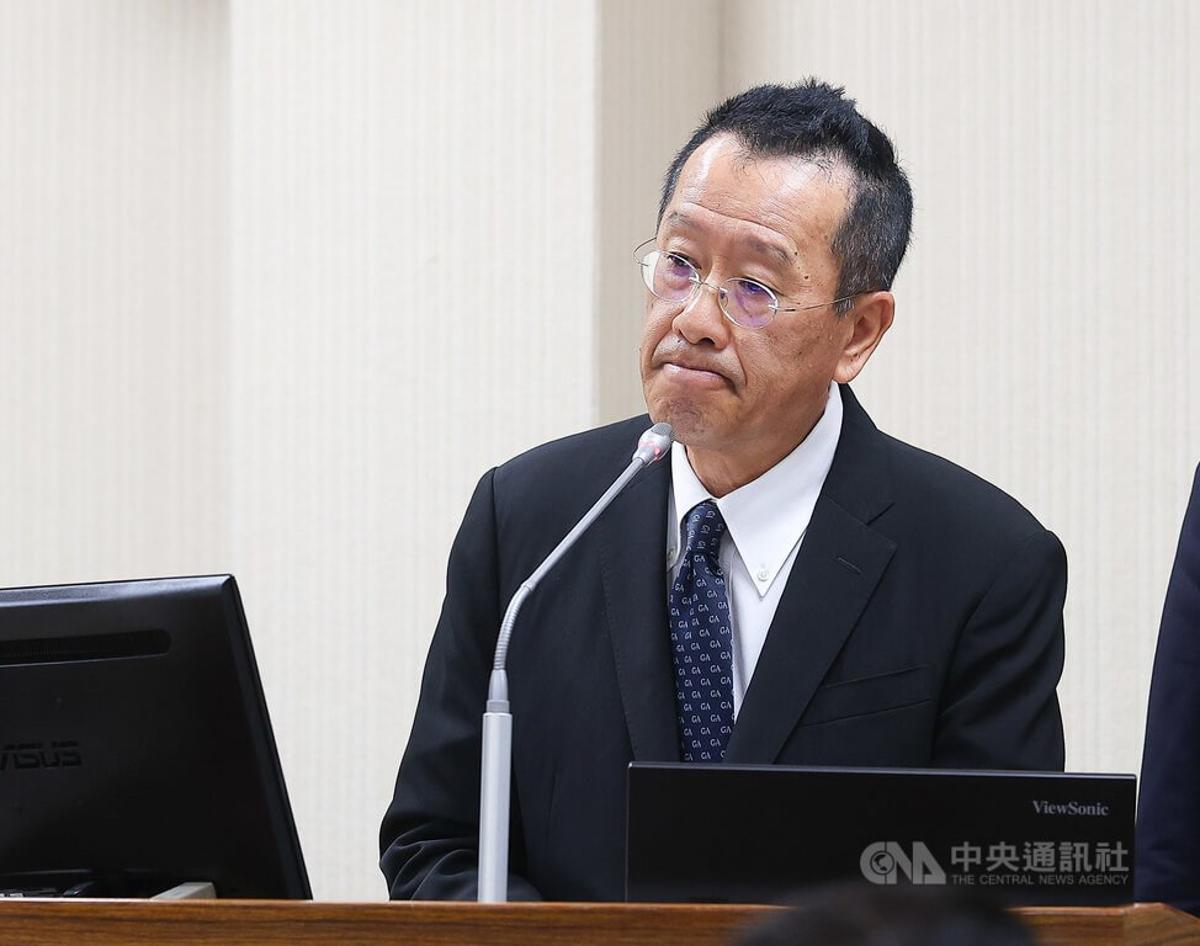
Taiwan Military Drafting Plan to Replace T-34C Trainers: Defense Chief
Why It Matters
Replacing the trainers safeguards pilot training continuity and strengthens Taiwan’s domestic aerospace sector, enhancing self‑reliance amid heightened regional security pressures.
Key Takeaways
- •Crash killed two pilots, prompting accelerated trainer replacement.
- •40 of 49 T‑34C trainers remain in service after 40 years.
- •Decision on new trainers due by May 2027, funding targeted for 2028.
- •Ministry favors domestic manufacturers over foreign procurement.
- •Planned retirement of T‑34Cs originally set for 2033 now earlier.
Pulse Analysis
Taiwan’s T‑34C trainer fleet, in service since the mid‑1980s, has become a linchpin for basic flight instruction, yet its airframes are now four decades old. The recent crash at Gangshan Air Base underscored the risks of operating legacy platforms and sparked a swift policy shift. While the aircraft have not yet reached their technical service limit, the loss of two experienced lieutenant colonels highlighted the urgency of modernizing the training pipeline to sustain operational readiness across the Air Force’s squadrons.
The island’s aerospace industry, led by firms such as the Aerospace Industrial Development Corporation (AIDC), has matured enough to contemplate indigenous trainer development. Leveraging local expertise could reduce procurement lead times, keep defense spending within the national economy, and mitigate reliance on foreign suppliers—an advantage given the geopolitical friction with mainland China. Domestic production also opens avenues for export to regional partners seeking cost‑effective training solutions, potentially turning a defense need into an economic opportunity.
Financially, the defense ministry plans to lock in funding by 2028, aligning the trainer replacement with broader modernization initiatives that include next‑generation fighters and missile systems. An accelerated schedule—shifting retirements from 2033 to the early 2030s—means the budget must accommodate new airframes, simulators, and associated infrastructure without compromising other priority programs. Successfully navigating this transition will preserve the pipeline of qualified pilots, a critical factor for Taiwan’s deterrence posture and its ability to integrate advanced combat platforms in the coming decade.
Taiwan military drafting plan to replace T-34C trainers: Defense chief
Comments
Want to join the conversation?
Loading comments...