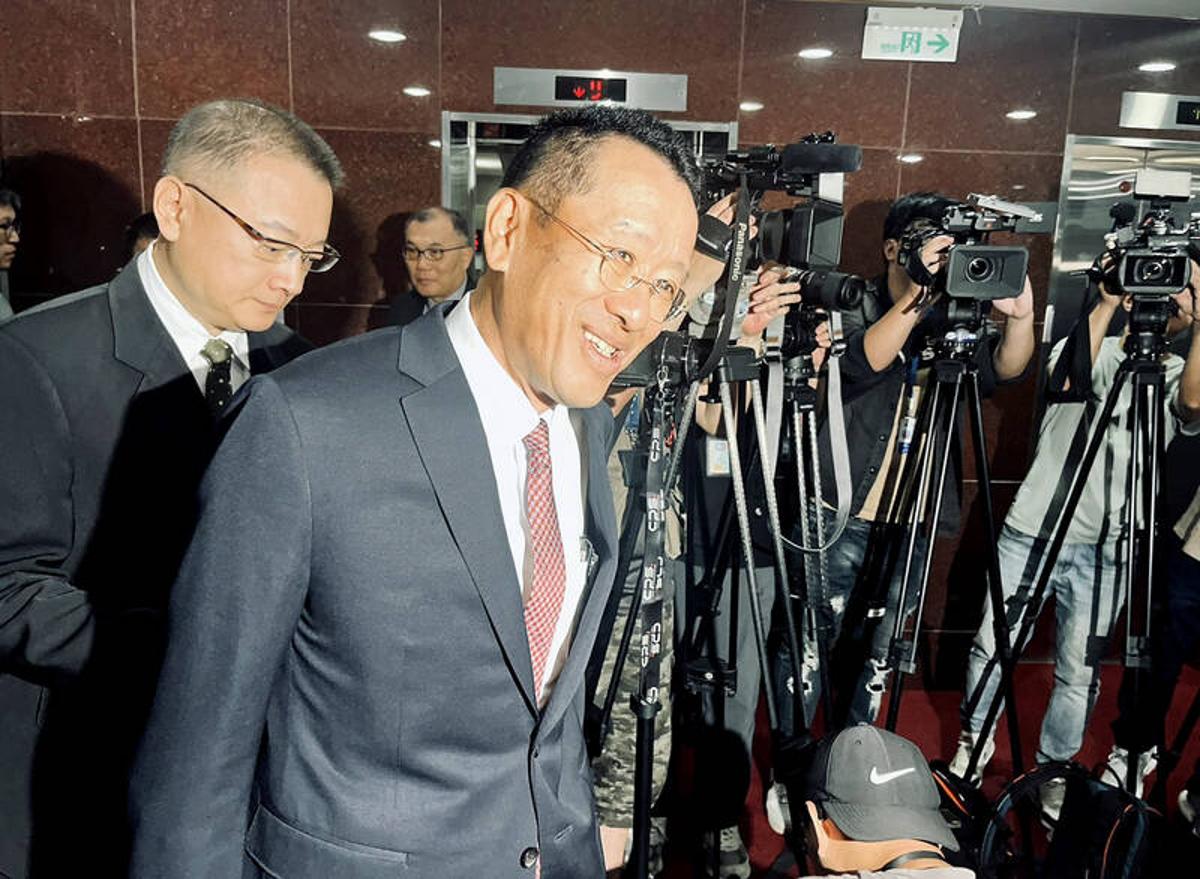
Taiwan Needs More Missile Systems: Wellington Koo
Why It Matters
The acquisitions aim to close critical capability gaps, strengthening Taiwan’s deterrence against a rapidly modernizing PLA and signaling deeper U.S. security cooperation. Successful budget approval will directly affect regional stability and the balance of power in the Taiwan Strait.
Key Takeaways
- •Taiwan earmarks up to US$9.5 billion for new U.S. arms purchases
- •Planned acquisitions include M109A7 howitzers, HIMARS, TOW 2B missiles
- •HIMARS can strike targets up to 300 km, enhancing deep‑strike capability
- •AI‑assisted systems will integrate air defense, anti‑landing, and homeland protection
- •Defense budget approval needed to maintain combat readiness against PLA
Pulse Analysis
Taiwan’s security calculus has shifted dramatically as the People’s Liberation Army expands its joint‑fire, amphibious and multidomain operations. After observing the Russian‑Ukrainian conflict, Taipei recognizes that precision ground firepower and rapid decision‑making are essential to blunt a potential invasion. The Ministry of National Defense’s latest procurement plan reflects this reality, targeting long‑range artillery, rocket systems and anti‑armor missiles that can engage PLA assets before they reach Taiwan’s shores. By integrating GPS‑guided howitzers and HIMARS rockets, Taiwan seeks to create a layered deterrent that can disrupt command nodes, logistics hubs and missile launch platforms across a 300‑kilometre radius.
The approved budget of up to NT$300 billion (approximately US$9.5 billion) funds the first wave of purchases, including the M109A7 self‑propelled howitzer, which offers digital fire‑control and 30‑kilometre precision strikes. Complementary systems such as HIMARS, TOW 2B anti‑armor missiles and domestically produced anti‑ballistic‑missile solutions will dovetail with existing Patriot, Tien Kung and drone‑countermeasure assets. AI‑assisted command, surveillance and reconnaissance networks will fuse data from these platforms, enabling real‑time targeting of amphibious landing forces and enhancing Taiwan’s asymmetric‑warfare capabilities.
Beyond the hardware, the procurement underscores a deepening defense partnership with the United States and signals to regional actors that Taiwan is investing in a credible, modernized force structure. The budget’s passage will not only bolster combat readiness but also influence cross‑strait dynamics, potentially prompting recalibrations in PLA planning. As Taiwan moves toward an integrated, AI‑driven defense architecture, its ability to deter aggression and maintain strategic stability in the Indo‑Pacific will hinge on sustained political support and timely acquisition of these advanced missile and artillery systems.
Taiwan needs more missile systems: Wellington Koo
Comments
Want to join the conversation?
Loading comments...