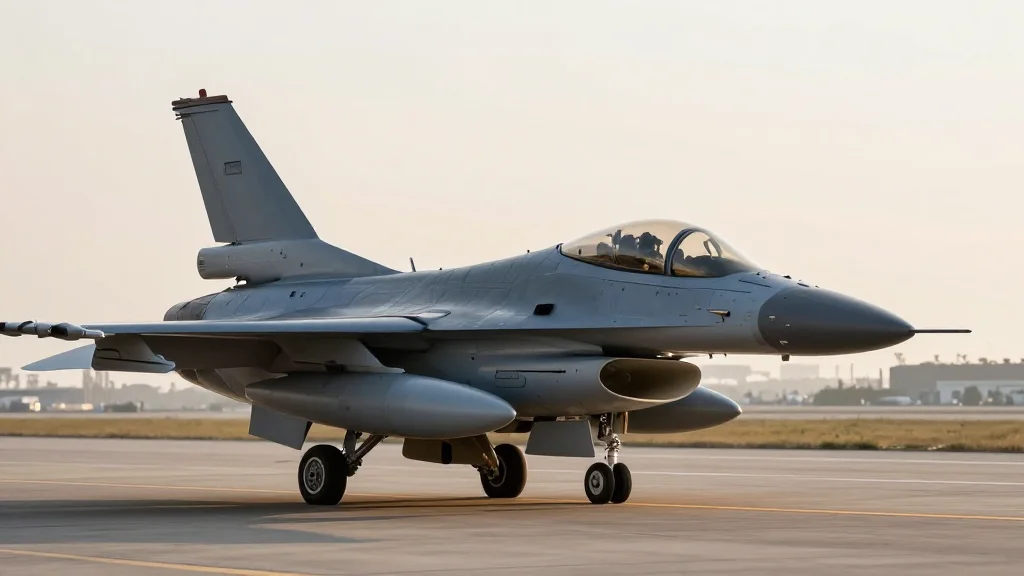
Taiwan Opposition Votes to Cut Lai's Defense Budget Despite US Urging
Why It Matters
The cut challenges Taiwan’s ability to modernize its forces amid rising cross‑strait tensions and signals a potential rift between Taipei’s legislature and U.S. security objectives.
Key Takeaways
- •Opposition legislature cuts defense budget over 33%
- •U.S. had urged Taiwan to maintain strong defense spending
- •Vote precedes expected Trump‑Xi summit in Beijing
- •Opposition cites fiscal responsibility, defense officials warn readiness risks
Pulse Analysis
Taiwan’s defense budget has been a barometer of its security posture since the island began modernizing its armed forces in the early 2000s. President Lai Ching‑te’s latest proposal aimed to raise spending to about NT$600 billion (≈ US$19 billion) to fund new missile systems, naval upgrades, and cyber‑defense capabilities. However, the opposition‑controlled Legislative Yuan, dominated by the Democratic Progressive Party’s rivals, argued that the figure overshoots fiscal limits and voted to trim it by roughly 38%, a move that will force the defense ministry to reprioritize projects and possibly delay acquisitions.
Washington has consistently pressed Taipei to bolster its deterrent capabilities as part of a broader strategy to counter China’s growing military assertiveness. U.S. officials met with Taiwanese legislators earlier this month, emphasizing that a robust defense budget is essential for maintaining regional stability. The timing of the vote—just before the Trump‑Xi summit—adds diplomatic tension, as the United States may view the cut as a lack of alignment with its Indo‑Pacific agenda, potentially complicating coordination on arms sales and joint exercises.
The budget cut carries several strategic implications. First, it may slow Taiwan’s procurement of advanced platforms such as the Indigenous Defense Fighter upgrades and new surface‑to‑air missile batteries, affecting its ability to counter a potential Chinese amphibious or missile strike. Second, the decision could influence market sentiment around defense contractors that supply Taiwan, prompting investors to reassess exposure. Finally, the episode underscores the delicate balance Taiwan must strike between domestic fiscal pressures and external security expectations, a dynamic that will shape its defense policy and regional security calculations in the months ahead.
Taiwan opposition votes to cut Lai's defense budget despite US urging
Comments
Want to join the conversation?
Loading comments...