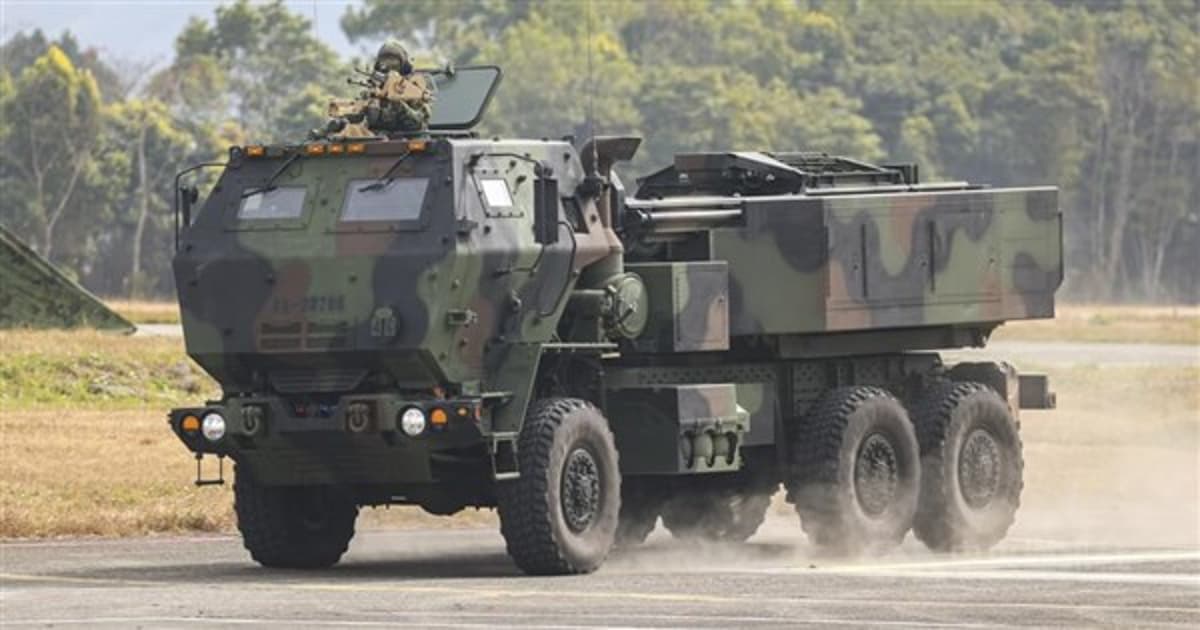
Taiwan Passes U.S. Arms Bill with Spending Ceiling of US$24.8 Billion
Why It Matters
The approval secures short‑term financing for critical U.S. defense systems, reinforcing Taiwan’s deterrence amid rising cross‑strait tensions while signaling bipartisan support for the island’s security partnership with Washington.
Key Takeaways
- •Taiwan caps U.S. arms spending at $24.8 billion
- •Legislature approved budget 59‑0, 48 abstentions
- •NT$300 billion funds already approved U.S. weapons
- •NT$480 billion reserved for future U.S. arms package
- •DPP's $1.25 trillion request rejected, local drone plans stalled
Pulse Analysis
Taiwan’s decision to lock in a $24.8 billion ceiling for U.S. arms purchases reflects a pragmatic response to an increasingly volatile security environment. By separating funding into two tranches—NT$300 billion for weapons already cleared by Washington and NT$480 billion for a future package—the Legislative Yuan ensures that critical systems such as HIMARS, M109A7 howitzers, and Javelin missiles can be procured without delay. The bipartisan vote, despite 48 abstentions, underscores a rare consensus on defense spending, even as the DPP’s broader NT$1.25 trillion request was rejected.
The bill’s structure also reveals Taiwan’s strategic prioritization. While the approved items bolster both firepower and anti‑drone capabilities, the earmarked NT$480 billion leaves room for emerging technologies like integrated counter‑drone networks and advanced air‑defense missiles. This flexibility is crucial, given the United States’ practice of issuing Letters of Offer and Acceptance (LOAs) only after diplomatic clearance. By tying disbursement to LOAs, Taiwan aligns its budgetary process with the timing of U.S. foreign military sales, reducing fiscal risk and ensuring that funds are available when new systems are announced.
Beyond the immediate procurement, the legislation carries broader geopolitical weight. It signals to Beijing that Taiwan retains robust, bipartisan backing for its defense modernization, potentially deterring aggressive posturing. At the same time, the omission of funding for domestic defense projects, notably the DPP’s drone‑production expansion, highlights a trade‑off between imported capabilities and indigenous development. Observers will watch how future U.S. arms packages and Taiwan’s own industrial policy evolve, especially as regional allies reassess security commitments in the face of China’s growing military assertiveness.
Taiwan passes U.S. arms bill with spending ceiling of US$24.8 billion
Comments
Want to join the conversation?
Loading comments...