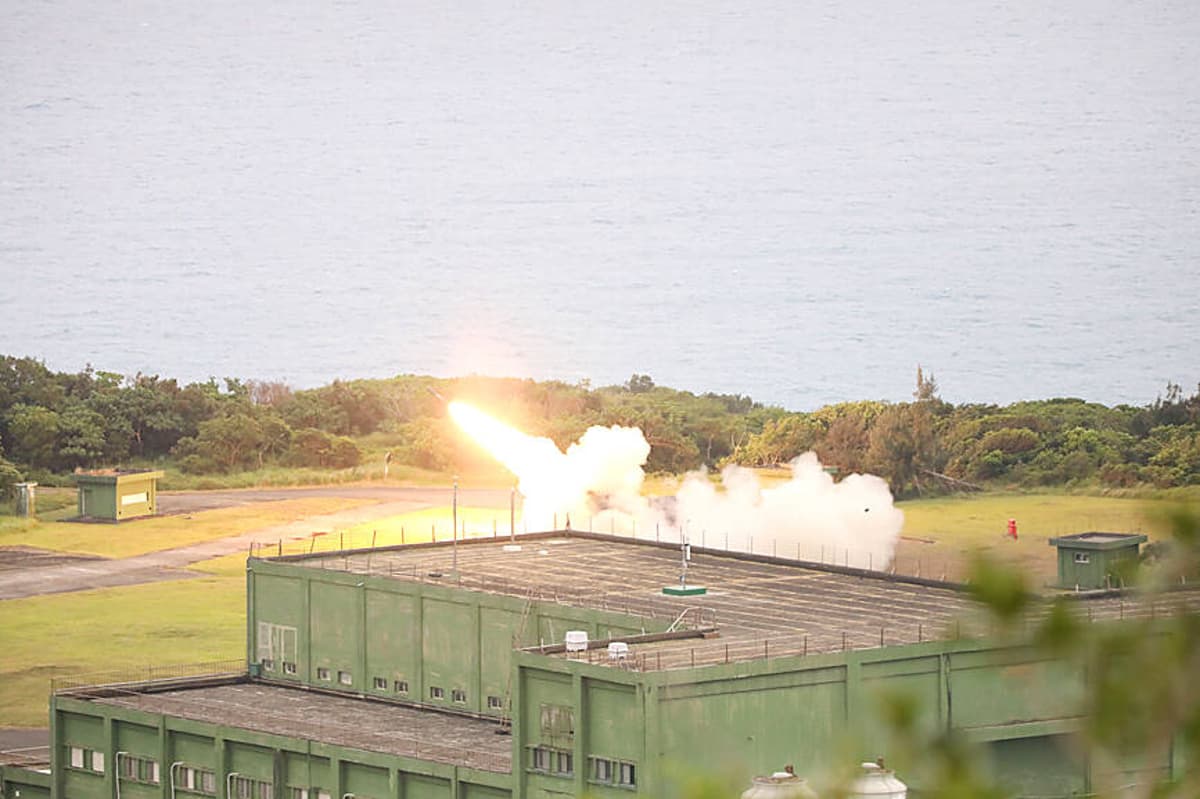
Taiwan Signs Arms Deals with US Totaling US$6.58bn
Why It Matters
The procurement bolsters Taiwan’s deterrence against a growing Chinese threat while testing the island’s political consensus on defense spending. It also deepens U.S. security ties, signaling continued American commitment in the Indo‑Pacific.
Key Takeaways
- •Taiwan secures $6.6 bn U.S. arms deals across six weapon categories.
- •High Mobility Artillery Rocket Systems receive the largest contract at $3.9 bn.
- •Defense budget stall may hinge on LOA approvals, raising political tension.
- •"Taiwan Shield" integrates U.S. Patriot PAC‑3 MSE with domestic missile systems.
- •Joint ammo production and consultancy aim to boost Taiwan's self‑sufficiency.
Pulse Analysis
The latest arms procurement package underscores Taiwan’s strategic pivot toward a layered defense architecture amid intensifying cross‑strait rivalry. By locking in $6.6 billion of U.S. weaponry—including High Mobility Artillery Rocket Systems, M109A7 Paladin howitzers, and advanced missile‑stockpile replenishment—Taiwan is addressing critical gaps in long‑range strike and artillery firepower. The contracts also lay the groundwork for a broader “Taiwan Shield” concept that fuses American Patriot PAC‑3 MSE interceptors with home‑grown Tien Kung III and Chiang Kung air‑defense missiles, creating a multi‑tiered shield capable of countering both ballistic and cruise threats.
Beyond the hardware, the deals carry significant political weight. The special defense budget of NT$1.25 trillion, roughly US$39 billion, has hit a legislative roadblock as opposition lawmakers demand greater transparency on cost and necessity. The timing of the LOAs appears calibrated to pressure the Legislative Yuan into approval, illustrating how procurement can become a lever in domestic policy debates. Moreover, the inclusion of a technical‑consultancy project signals a deeper integration of U.S. expertise, potentially accelerating Taiwan’s ability to field and sustain sophisticated systems without relying solely on foreign maintenance contracts.
Regionally, the procurement reinforces the United States’ commitment to a free and open Indo‑Pacific, sending a clear signal to Beijing that Taiwan is enhancing its self‑defense capabilities with allied support. For defense industry observers, the contracts represent a sizable market opportunity for U.S. manufacturers and a test case for future security assistance packages. As Taiwan moves toward operationalizing these systems, the balance of power in the Taiwan Strait will increasingly hinge on how swiftly the island can integrate the new assets and secure legislative backing for sustained defense spending.
Taiwan signs arms deals with US totaling US$6.58bn
Comments
Want to join the conversation?
Loading comments...