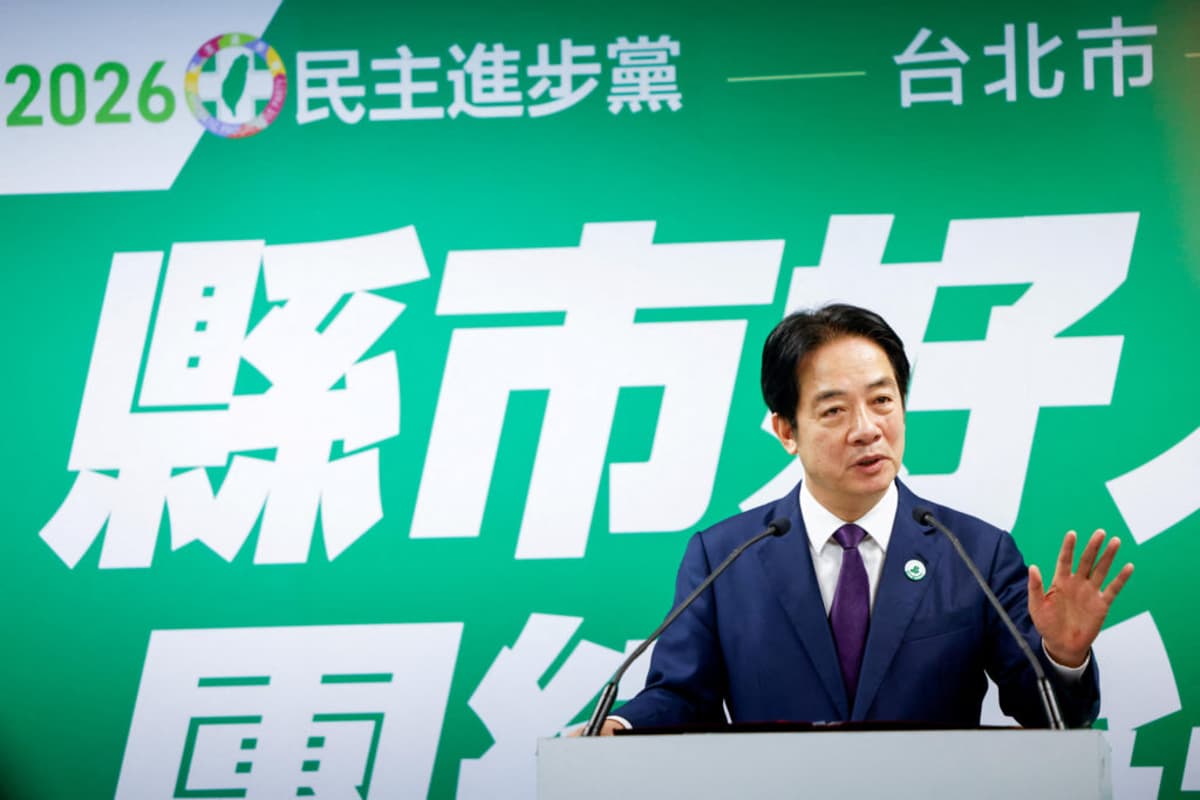
Taiwan's President Defends U.S. Arms Purchases After Trump Sowed Doubts Following Visit to China
Why It Matters
Continued U.S. military aid is critical to Taiwan’s defense posture and regional stability; any shift could embolden China and disrupt security‑dependent economic sectors.
Key Takeaways
- •Lai calls U.S. arms sales Taiwan's “most important deterrent.”
- •Trump approved $11 billion weapons package in December 2025.
- •New $14 billion package pending, tied to China negotiations.
- •Taiwan vows sovereignty, avoids provocation despite pressure.
- •China labels Taiwan issue central to U.S.–China relations.
Pulse Analysis
The United States’ commitment to Taiwan is anchored in the Taiwan Relations Act, which obligates Washington to provide defensive weapons to the island. Since the 1990s, successive administrations have expanded sales, culminating in a record $11 billion package that includes missiles, drones, and artillery. These transfers not only bolster Taiwan’s self‑defense capabilities but also serve as a strategic signal to Beijing, reinforcing a rules‑based order in the Indo‑Pacific and reassuring allies reliant on U.S. security guarantees.
President Lai’s remarks come at a volatile moment as former President Trump, during a high‑profile China trip, suggested the next $14 billion weapons deal depends on diplomatic leverage over Beijing. This rhetoric fuels uncertainty in Taipei’s procurement planning and raises questions about the consistency of U.S. policy across administrations. While the official stance remains unchanged—U.S. law mandates continued support—the politicization of future sales could affect timing, scale, and the types of systems delivered, influencing Taiwan’s ability to counter advanced Chinese anti‑access/area‑denial capabilities.
Beyond the immediate defense implications, the arms sales intersect with broader economic and geopolitical currents. Taiwan’s semiconductor industry, a backbone of global supply chains, depends on a stable security environment; any escalation could disrupt production and affect worldwide tech markets. Moreover, the U.S. use of arms packages as diplomatic leverage underscores a shift toward more transactional foreign policy tools in great‑power competition. Analysts watch closely whether future U.S. administrations will maintain the current trajectory or recalibrate support, a decision that will shape cross‑strait dynamics and the strategic calculus of regional actors for years to come.
Taiwan's president defends U.S. arms purchases after Trump sowed doubts following visit to China
Comments
Want to join the conversation?
Loading comments...