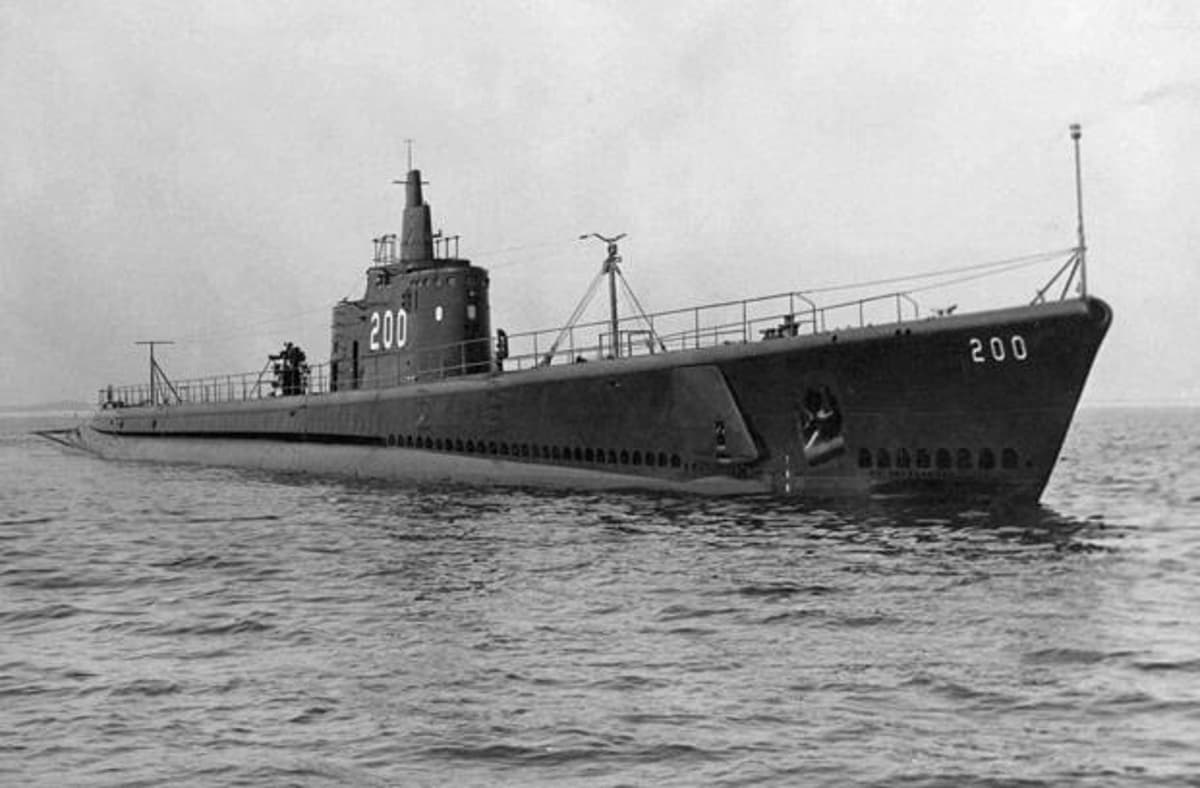
The Congressman Who Accidentally Told Japan How to Sink American Submarines During WWII
•February 19, 2026
0
Why It Matters
The incident shows how a single public statement can alter enemy tactics and dramatically increase combat casualties, underscoring the strategic value of information control in wartime.
Key Takeaways
- •Japanese depth charges set for 200‑ft S‑class submarines
- •Congressman May disclosed shallow charge settings in 1943 press conference
- •Japan deepened charges to ~250 ft, increasing US sub losses
- •Admiral Lockwood blamed May for ~10 lost submarines
- •Incident underscores operational‑security risks of public disclosures
Pulse Analysis
During World War II, U.S. submarines operated at depths far exceeding the 200‑foot limit of older S‑class boats, a capability the Japanese navy failed to recognize. Their anti‑submarine doctrine relied on Type 95 depth charges calibrated for shallower targets, allowing many American subs to evade destruction by simply diving deeper. The secrecy surrounding these performance margins was a critical advantage, kept hidden from both the public and enemy intelligence until a congressional briefing inadvertently exposed it.
In the summer of 1943, Congressman Andrew J. May, chair of the House Military Affairs Committee, held a press conference to reassure worried families. He disclosed that Japanese depth charges were set too shallow, a detail that quickly spread through Allied news wires and reached Japanese listeners in Honolulu. Within weeks the Imperial Japanese Navy adjusted charge settings to roughly 250 feet, a depth that matched the operational envelope of U.S. fleet submarines. Admiral Charles A. Lockwood, commander of the Pacific submarine force, later quantified the impact, attributing about ten lost submarines—approximately 20 percent of total submarine casualties—to the May Incident.
The legacy of the May Incident extends beyond WWII. It illustrates the profound operational‑security risks when civilian officials possess classified military knowledge and speak publicly without clearance. Modern militaries now enforce strict “need‑to‑know” protocols and conduct regular OPSEC training to prevent similar leaks. The episode serves as a reminder that information, even seemingly innocuous, can shift enemy tactics and endanger lives, reinforcing the necessity of disciplined communication channels in any conflict.
The Congressman Who Accidentally Told Japan How to Sink American Submarines During WWII
0
Comments
Want to join the conversation?
Loading comments...