Key Takeaways
- •Tomahawk strike killed 168 civilians, 100 children
- •Outdated intel misidentified school as target
- •Hegseth pushes AI‑fast targeting, cuts legal offices
- •Congress pressures Pentagon for accountability
- •Civilian harm erodes U.S. military credibility
Pulse Analysis
The Minab school tragedy illustrates the peril of relying on speed‑focused AI systems without robust verification. Modern targeting platforms can process vast data streams in minutes, yet the Tomahawk strike shows that flawed intelligence—such as outdated maps or mis‑labelled imagery—can still feed the decision loop. When AI accelerates the kill chain, the margin for human review shrinks, increasing the likelihood of mis‑identification. Policymakers must balance technological advantage with stringent validation protocols to prevent civilian loss and preserve moral authority.
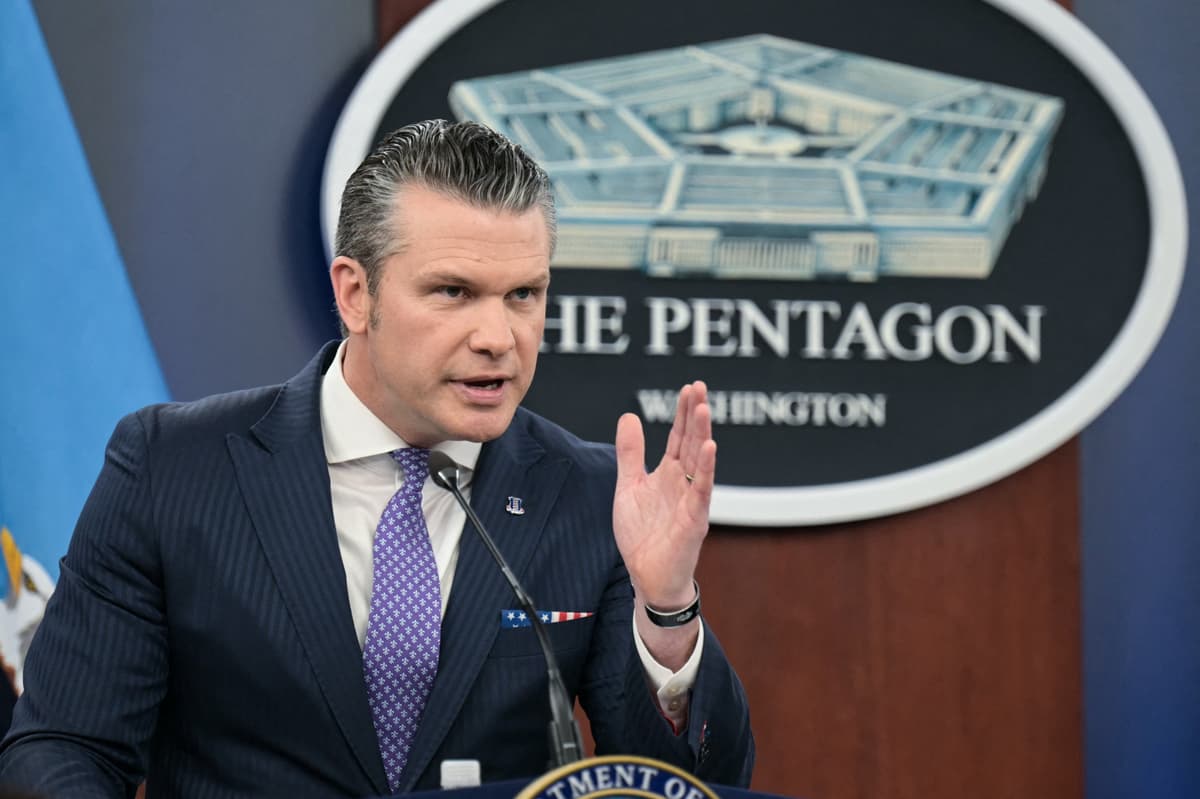
Secretary Pete Hegseth’s recent reforms have dismantled key legal oversight bodies, including senior JAG positions and the Civilian Harm Mitigation Center. By framing the laws of war as obstacles to “maximum lethality,” he has shifted the Pentagon’s culture toward permissive engagement rules. This shift not only raises the risk of war crimes but also deepens moral injury among service members, who face heightened psychological stress when ordered to act without clear legal guidance. Restoring legal counsel and embedding it in the AI‑enabled targeting workflow is essential for ethical compliance.
Beyond the immediate humanitarian fallout, the incident threatens U.S. strategic partnerships. Allies are already reconsidering intelligence sharing and joint operations over concerns that American forces may ignore international humanitarian law. Continued erosion of civilian‑protection norms could embolden adversaries to adopt similar tactics, destabilizing global security frameworks. Congressional oversight, coupled with codified civilian‑harm mitigation statutes, offers a path to re‑establishing the United States’ reputation as a disciplined, precision‑focused military power.
The Dangers of Hegseth’s “Warfighter” Ethos
Comments
Want to join the conversation?