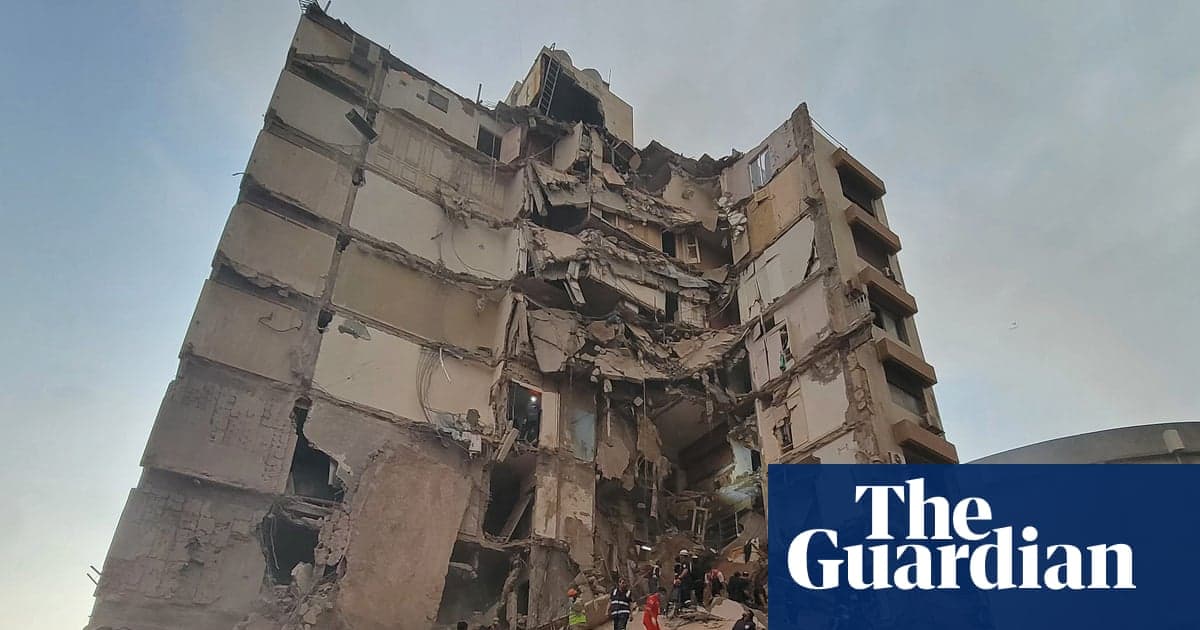
The Deadliest 10 Minutes in Decades: Lebanese Reel From Israeli Strikes that Killed Hundreds
Companies Mentioned
Why It Matters
The bombardment dramatically escalates the Israel‑Lebanon conflict, creating a humanitarian crisis and raising serious questions about compliance with international law, which could reshape regional stability and diplomatic engagement.
Key Takeaways
- •Israel struck 100+ Lebanese sites in 10 minutes, killing 254 civilians
- •Hospital AUBMC treated 70 severe victims simultaneously, overwhelming capacity
- •Israeli claim: targeting Hezbollah command centers; locals report civilian‑focused devastation
- •Death toll exceeds Beirut’s 2020 port blast, intensifying regional tensions
- •International calls for investigation into potential war crimes and humanitarian law breaches
Pulse Analysis
The ten‑minute barrage that flattened more than a hundred sites in Beirut marks an unprecedented escalation in the Israel‑Lebanon war. Using 1,000‑pound bombs, the Israeli Defense Forces claimed to strike Hezbollah command and control nodes, yet the concentration of strikes in densely populated districts produced a civilian death toll of at least 254—already surpassing the 2020 Beirut port explosion. The speed and intensity of the operation underscore a shift toward rapid, high‑density targeting that blurs the line between tactical strikes and mass‑casualty events, raising questions about proportionality in modern asymmetrical warfare.
The immediate humanitarian fallout has overwhelmed Lebanon’s already strained health infrastructure. American University of Beirut Medical Center alone received roughly 70 critical patients at once, stretching intensive‑care capacity and forcing triage decisions under fire. International humanitarian law experts warn that the deliberate timing of attacks to flood hospitals could constitute a violation of the Geneva Conventions. Calls for independent investigations are mounting in the United Nations and European capitals, while aid agencies scramble to deliver emergency supplies amid disrupted supply lines and a growing number of displaced families.
Beyond the human cost, the strikes threaten Lebanon’s fragile economy and regional investment climate. The destruction of residential blocks, commercial premises, and transport corridors in central Beirut displaces over a million people, eroding consumer demand and stalling reconstruction projects funded by the World Bank and Gulf donors. Investor confidence is further dented by heightened security risk, prompting a pullback from foreign direct investment and a rise in insurance premiums for businesses operating in the Middle East. Long‑term stability will hinge on diplomatic de‑escalation and a credible accountability framework.
The deadliest 10 minutes in decades: Lebanese reel from Israeli strikes that killed hundreds
Comments
Want to join the conversation?
Loading comments...