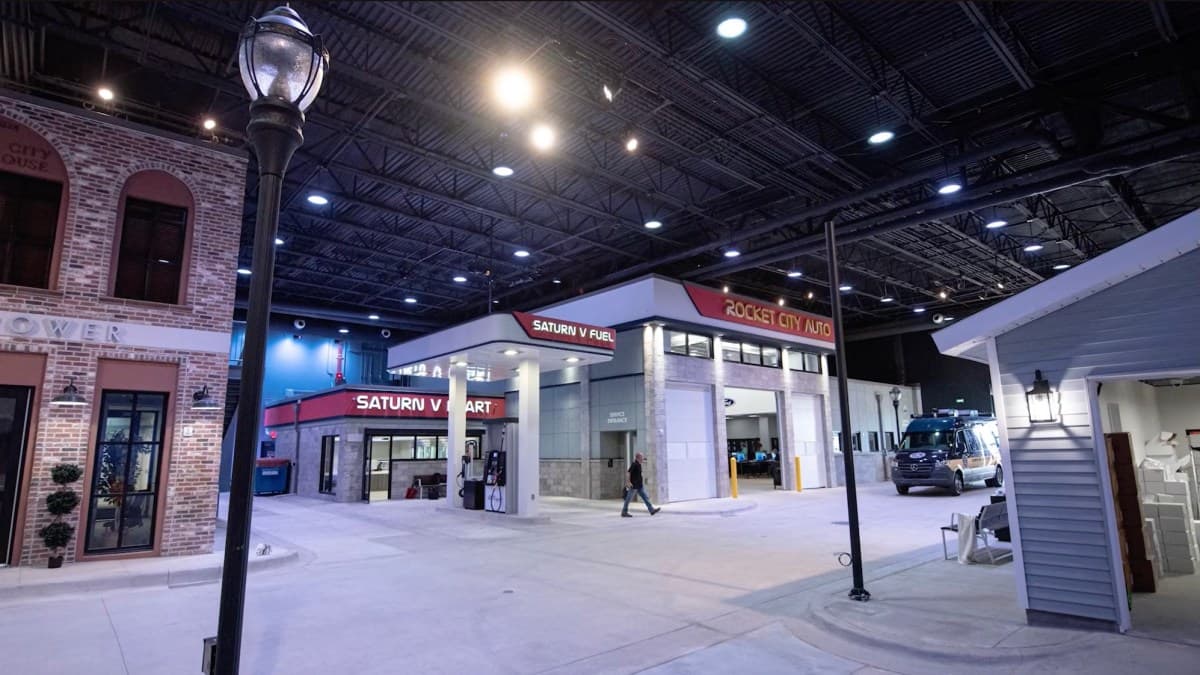
The FBI Built Its Own Replica Small Town to Simulate Real-World Cyberattacks
Why It Matters
As cybercrime losses hit a record $20.9 billion, realistic training equips investigators to mitigate threats before they cripple critical infrastructure. The range bridges the gap between classroom theory and live‑incident response, raising overall national cyber resilience.
Key Takeaways
- •FBI's 22,000‑sq‑ft Kinetic Cyber Range opened Feb 2025
- •Facility replicates homes, hospital, courthouse, power grid for realistic training
- •Over 1,400 law‑enforcement trainees have used the range
- •Simulated ransomware attacks let investigators practice high‑stakes response decisions
- •Data center houses 200+ servers running Windows and Linux environments
Pulse Analysis
Rising cybercrime losses—$20.9 billion in 2025 alone—have forced law‑enforcement agencies to rethink how they prepare investigators for digital threats. Traditional classroom instruction leaves a gap when confronting the complex, multi‑vector attacks that target both consumer devices and enterprise systems. By constructing a full‑scale, isolated town, the FBI creates a sandbox where agents can experiment with the same hardware, software and network configurations they will encounter in the field, dramatically shortening the learning curve and reducing the risk of operational errors during real incidents.
The Kinetic Cyber Range’s design mirrors a typical American community, complete with a grocery store, gas station, hospital, courthouse and a municipal power provider. Each structure is wired with operational IoT devices, point‑of‑sale systems and legacy equipment, while a dedicated data center hosts more than 200 physical servers running mixed Windows and Linux workloads. This realism enables trainees to practice ransomware containment, forensic imaging of encrypted smartphones, and the execution of search warrants on live networks without the danger of contaminating external systems. The hands‑on approach also familiarizes agents with the controversial exploit tools used to bypass device encryption, highlighting both their investigative value and the ethical considerations they raise.
Beyond the FBI, the range serves as a collaborative hub for federal, state and local partners, fostering a shared knowledge base that can be rapidly disseminated across jurisdictions. As cyber threats continue to evolve, such immersive training environments may become the standard for public‑sector preparedness, prompting other agencies to invest in similar facilities. However, the reliance on undisclosed vulnerabilities underscores the need for transparent policy frameworks to balance investigative efficacy with privacy rights, ensuring that the tools honed within the range are employed responsibly and within the bounds of the law.
The FBI built its own replica small town to simulate real-world cyberattacks
Comments
Want to join the conversation?
Loading comments...