Why It Matters
Iran’s successful war against Israeli‑Palestinian peace reshaped regional power dynamics and forces U.S. policymakers to confront a long‑standing, financially backed destabilizing force.
Key Takeaways
- •Iran funneled $25‑$50 million to Hamas in 1995‑96.
- •Annual Iranian support to militants reached $200‑$400 million today.
- •Suicide bombings undermined Oslo, boosting Netanyahu’s political rise.
- •Israeli public support for two‑state solution fell from majority to 20%.
- •Current Iran‑backed conflict echoes its 1990s strategy against normalization.
Pulse Analysis
In the mid‑1990s Iran launched an undeclared war against the Oslo Accords, using a sophisticated network of cash, weapons and training to empower Hamas, Palestinian Islamic Jihad and Hezbollah. Court filings reveal that Tehran transferred at least $25 million and up to $50 million to Hamas alone, while its broader proxy budget swelled to the $200‑$400 million range in today’s dollars. These funds enabled the first wave of suicide bombings that shattered the fragile optimism surrounding the peace talks, turning public sentiment in Israel sharply against compromise.
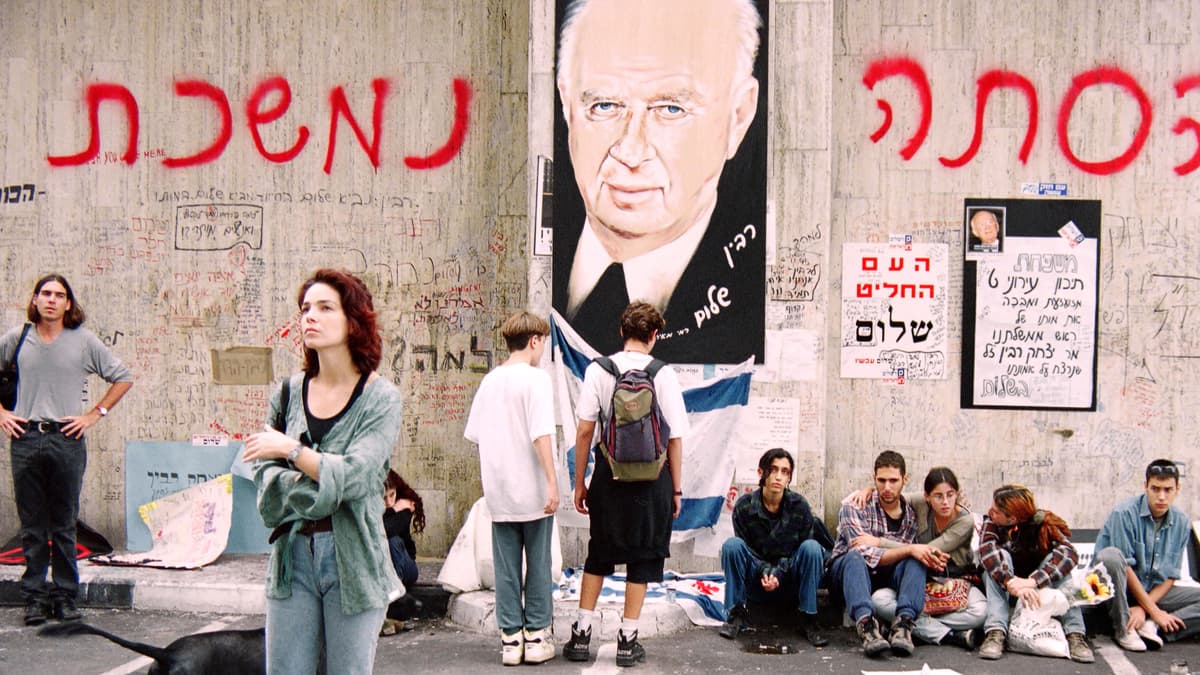
The fallout reverberated through Israeli politics. The terror campaign coincided with the assassination of Prime Minister Yitzhak Rabin and propelled Benjamin Netanyahu, then opposition leader, to the premiership by a razor‑thin margin. Netanyahu’s right‑wing coalition institutionalized settlement expansion and systematically eroded the two‑state consensus, a shift reflected in Pew research that shows support for a Palestinian state dropping from a clear majority in the 1990s to roughly 20 percent today. Iran’s financial backing proved decisive in tipping the political balance toward hardliners.
Today’s Israel‑Hamas war is a direct continuation of that strategy. Tehran’s backing of Hamas mirrors its 1990s objective: prevent any normalization between Israel and its Arab neighbors, now exemplified by the tentative Saudi‑Israel rapprochement. For U.S. and allied policymakers, recognizing Iran’s long‑term investment in regional instability is essential for crafting a response that addresses both the immediate conflict and the underlying proxy infrastructure that has sustained it for three decades.
The Forgotten War That Iran Already Won
Comments
Want to join the conversation?
Loading comments...