The Future of European Nuclear Deterrence—And Turkey’s Role in It
Why It Matters
A European nuclear deterrent could shift strategic autonomy away from the United States, reshaping NATO’s nuclear architecture and influencing security dynamics across Europe and the broader Euro‑Atlantic region.
Key Takeaways
- •France pushes “forward deterrence” to Europeanize its nuclear force
- •UK‑France Northwood Declaration 2025 deepens nuclear coordination
- •Turkey, NATO’s second‑largest army, remains excluded from European nuclear talks
- •Joint financing of French‑British deterrent faces political and legal hurdles
- •Success hinges on aligning national control with broader European participation
Pulse Analysis
The post‑Cold War peace dividend gave European states confidence to under‑invest in defence, but Russia’s annexation of Crimea in 2014 and its full‑scale invasion of Ukraine in 2022 have forced a strategic reassessment. As Washington’s commitment appears increasingly uncertain, Paris has positioned itself at the forefront of a new nuclear dialogue, promoting a phased "forward deterrence" model that would extend consultation and possibly share assets with allies while preserving French decision‑making sovereignty. This approach reflects a broader European desire for strategic autonomy, echoing Gaullist principles adapted to contemporary security pressures.
Concrete steps toward a European nuclear architecture are emerging. The 2025 UK‑France Northwood Declaration formalised deeper nuclear coordination, and a Franco‑German high‑level steering group was created in 2026 to explore joint financing and operational frameworks. Proposals include pre‑positioning French Rafale‑compatible gravity bombs on partner bases and pooling resources to sustain the dual‑capable air and sea components of the deterrent. Yet political sensitivities—particularly around national control, non‑proliferation obligations, and the legal status of a shared nuclear enterprise—pose significant hurdles that could stall progress for a decade or more.
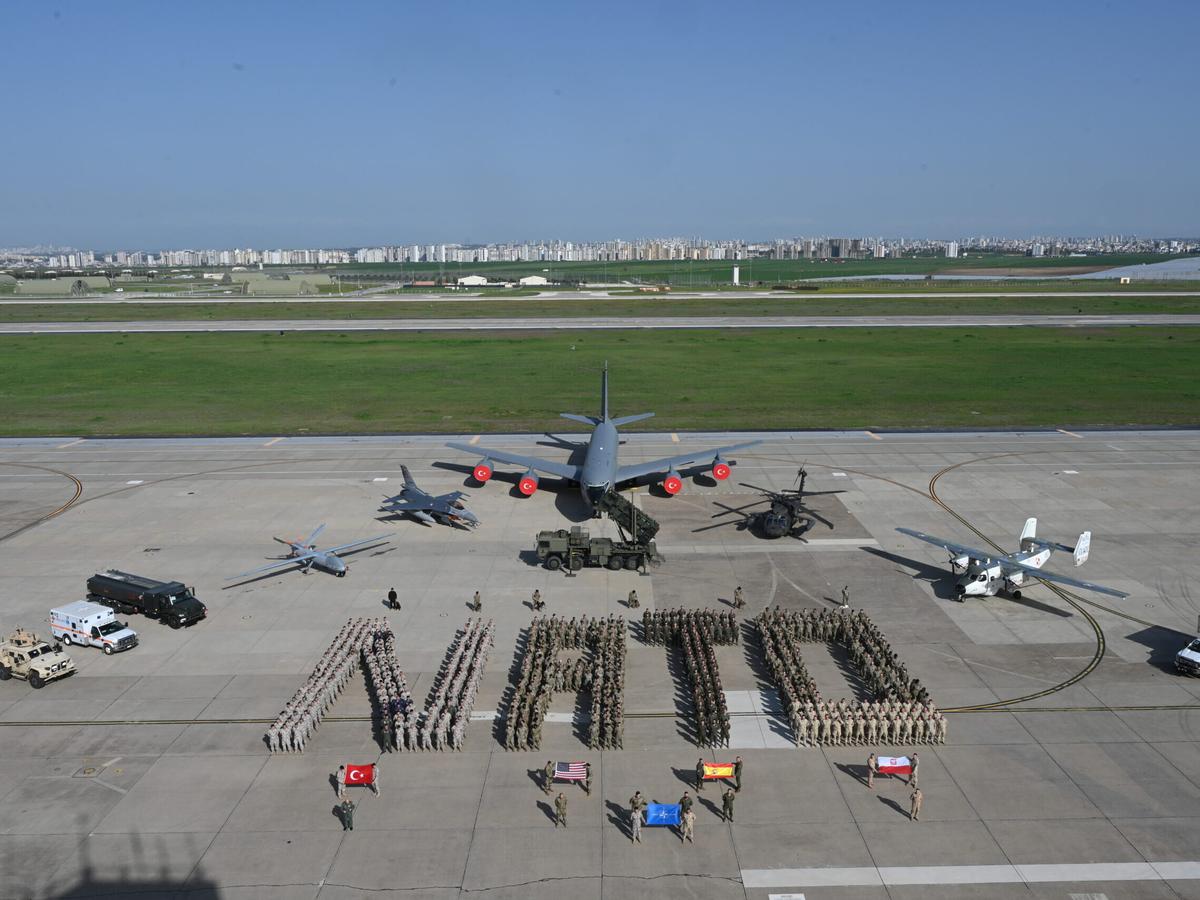
Turkey’s strategic geography, sizable conventional forces, and participation in NATO’s nuclear‑sharing scheme give it a unique leverage point in any European deterrence model. Excluding Ankara from the Franco‑German and UK‑France initiatives risks fragmenting the alliance at a time when cohesion is vital to counter Russian aggression and regional instability. Incorporating Turkish conventional assets, such as its DCA aircraft, into planning and financing discussions could enhance credibility and distribute the burden more evenly. Ultimately, the success of a European nuclear deterrent will depend on reconciling sovereign control with inclusive, multilateral governance that aligns with both NATO’s existing structures and the evolving security environment.
The future of European nuclear deterrence—and Turkey’s role in it
Comments
Want to join the conversation?
Loading comments...