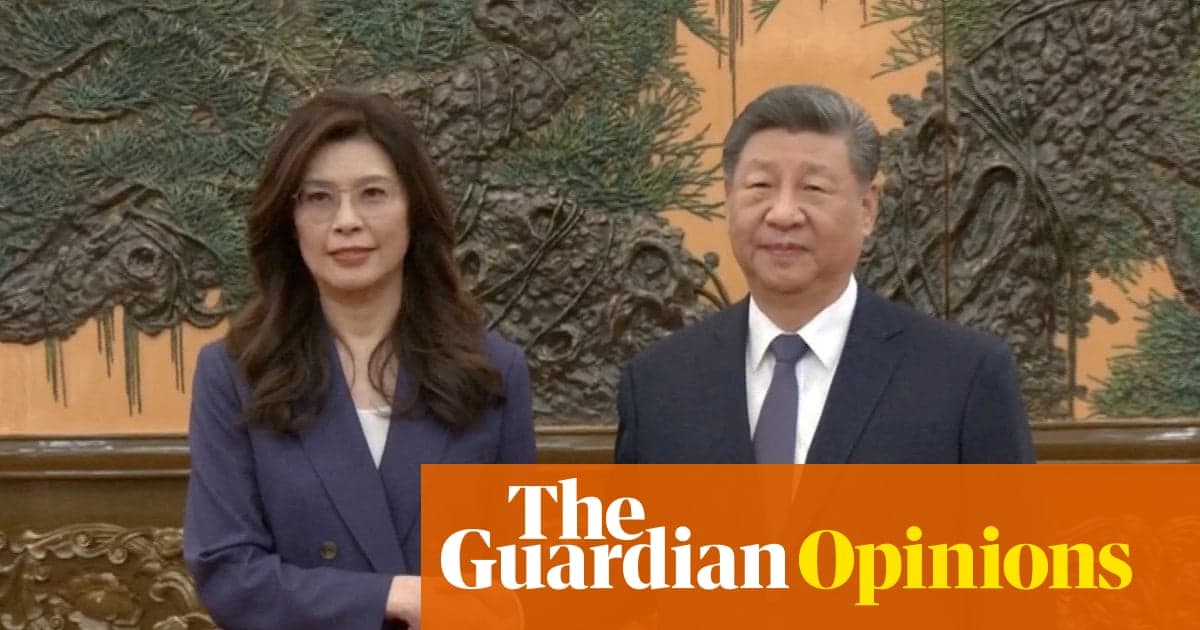
The Guardian View on China’s Carrots and Sticks: Trump Should Not Soften on Taiwan when He Visits Beijing | Editorial
Why It Matters
A softened U.S. position on Taiwan could alter the strategic balance in the Indo‑Pacific, affecting trade, defense spending, and investor confidence across the region.
Key Takeaways
- •Trump may trade Taiwan leniency for China‑US trade concessions
- •Beijing hopes a softer US stance eases unification without force
- •Taiwan’s identity shift fuels resistance to “one country, two systems”
- •US arms sales and $11 bn aid raise Beijing’s leverage
- •Regional investors watch for escalation risk amid US political uncertainty
Pulse Analysis
Trump’s planned stop in Beijing arrives at a moment when Washington is scrambling for a new trade deal and Beijing is eager to leverage that need. By tying Taiwan to broader cooperation, China’s foreign ministry signals it will reward any softening with economic carrots, potentially easing sanctions and opening markets for U.S. firms. Yet the $11 bn weapons package announced last year underscores Washington’s continued commitment to Taiwan’s defense, creating a delicate diplomatic dance that could reshape supply‑chain dynamics in technology and manufacturing sectors.
Taiwan’s internal landscape adds another layer of complexity. The island’s population now identifies as "Taiwanese‑only" at a record 63 %, a three‑fold rise since the early 1990s, while the 2028 presidential election looms. Pro‑Beijing parties like the Kuomintang push for closer economic ties, but public sentiment remains wary after Beijing’s crackdown in Hong Kong. Recent high‑level visits, such as Xi’s meeting with KMT leader Cheng Li‑wun, illustrate China’s carrot‑and‑stick approach, offering economic incentives while continuing military drills that keep the threat of a blockade alive.
For investors and multinational corporations, the stakes are high. A shift in U.S. rhetoric could lower the perceived risk of Chinese aggression, encouraging capital flows into mainland markets, but it could also destabilize the status quo that underpins semiconductor supply chains. Companies must monitor policy signals from both Washington and Beijing, assess contingency plans for potential escalations, and weigh the cost of aligning with either side in a region where geopolitical volatility directly impacts earnings and market valuations.
The Guardian view on China’s carrots and sticks: Trump should not soften on Taiwan when he visits Beijing | Editorial
Comments
Want to join the conversation?
Loading comments...