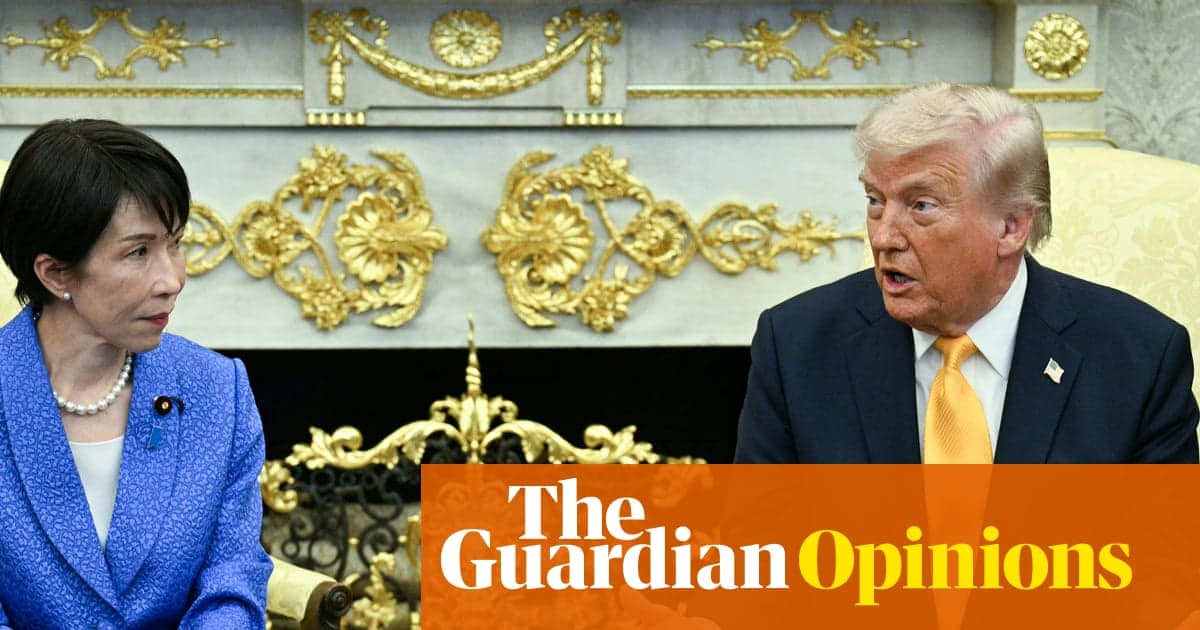
The Guardian View on Germany, Japan and the End of the Postwar Order: As US Alliances Crumble, a New World Emerges | Editorial
Why It Matters
The moves by Germany and Japan reshape collective defense dynamics, challenging the U.S.‑centric model and influencing NATO cohesion and Asia‑Pacific stability.
Key Takeaways
- •Germany releases first post‑WWII military strategy, expanding forces.
- •Japan plans to double defense budget to 2% of GDP by 2027.
- •US alliance doubts push NATO members to assume larger security roles.
- •France‑Germany dispute stalls Future Combat Air System fighter project.
- •Protests in Japan reflect domestic pushback against renewed militarism.
Pulse Analysis
Trump’s rhetoric and policy swings have rattled long‑standing U.S. alliances, forcing Europe to confront the prospect of a more autonomous security posture. NATO’s original purpose—to keep the United States engaged, the Soviet Union out, and Germany restrained—now appears outdated as member states question Washington’s reliability. Poland’s prime minister has publicly doubted U.S. commitment to collective defense, while Pentagon documents suggest a reconsideration of NATO membership for Spain and even the Falklands dispute. This erosion of trust is prompting European capitals to reassess burden‑sharing and strategic priorities.
In Berlin, the release of a full‑scale military strategy marks a historic departure from post‑war restraint. The plan outlines a substantial increase in troop numbers, new procurement programs, and a clearer articulation of national interests within NATO. While the move aims to fill perceived gaps left by an increasingly isolationist United States, it also raises concerns about domestic political backlash, especially from the far‑right Alternative für Deutschland, and the potential for friction with France over joint projects like the Future Combat Air System. Nonetheless, Germany’s shift underscores a broader European trend toward greater self‑reliance in defense.
Across the Pacific, Japan’s decision to relax lethal‑weapon export rules and target a 2 % GDP defense spend by 2027 signals a decisive break from its post‑war pacifist constitution. The policy change, championed by Prime Minister Sanae Takaichi, is driven by worries over China’s military rise and North Korea’s nuclear expansion. Yet the move faces vigorous domestic protests and diplomatic unease from neighboring South Korea, which still harbors historical grievances. Japan’s evolving posture illustrates how regional powers are reshaping security architectures in response to both U.S. unpredictability and rising authoritarian threats.
The Guardian view on Germany, Japan and the end of the postwar order: as US alliances crumble, a new world emerges | Editorial
Comments
Want to join the conversation?
Loading comments...