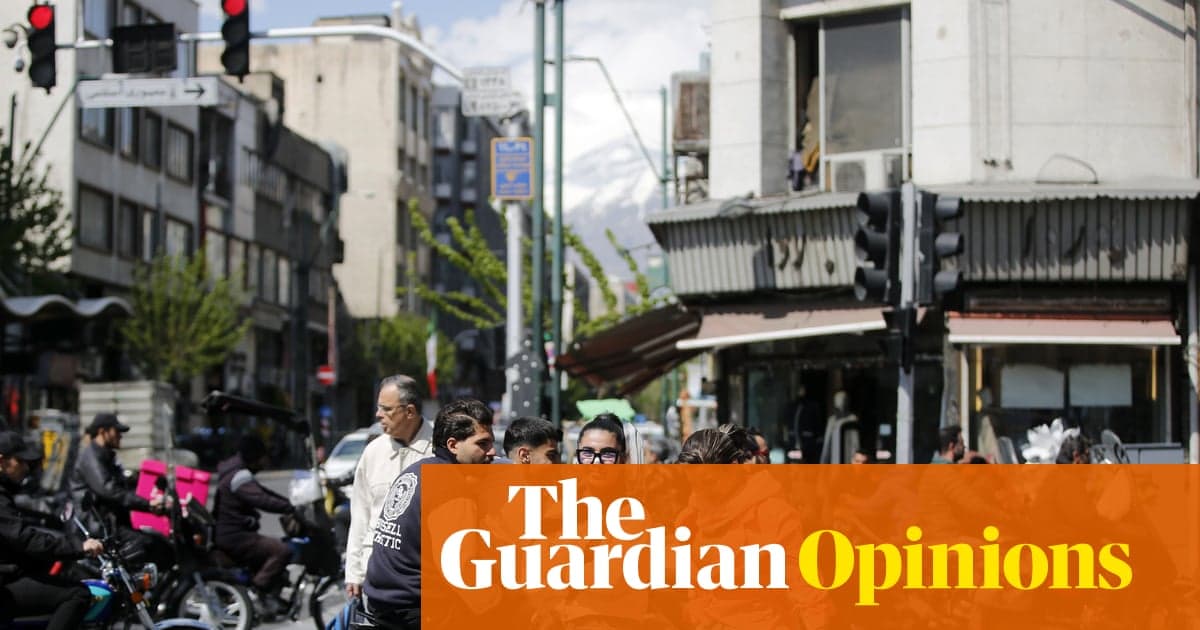
The Iran Crisis Is Far From over – Instead We Are Entering a New and Uncertain Phase | Sanam Vakil
Why It Matters
The ceasefire’s success is crucial for preventing a broader Gulf war and stabilizing global oil markets, while also shaping the future of Iran’s nuclear ambitions and regional power dynamics.
Key Takeaways
- •Ceasefire announced, but Hormuz remains closed
- •US‑Iran talks scheduled in Islamabad to address sanctions and nuclear issues
- •Regional powers demand security guarantees and compensation for war damage
- •Iran's missile and drone capabilities remain operational despite war damage
- •Failure of talks could reignite escalation across the Gulf
Pulse Analysis
The April 8 ceasefire between Washington and Tehran offers a brief respite, but analysts stress it is a pause rather than a resolution. The conflict, launched under the assumption of a swift military victory, left the United States with diminished credibility and failed to achieve regime change. Iran, while sustaining significant damage to its armed forces, retains a functional missile and drone arsenal and continues to control the strategic Strait of Hormuz. This lingering capability means the geopolitical stakes remain high, and the ceasefire’s durability will be tested in the weeks ahead.
Negotiators will meet in Islamabad to hammer out three intertwined pillars: sanctions relief, Iran’s nuclear pathway, and security guarantees for the Gulf. Washington seeks verifiable limits on Tehran’s enrichment and a credible pledge to keep Hormuz open, while Iran demands recognition of its right to enrich uranium and a phased easing of crippling sanctions. Regional actors—Saudi Arabia, the United Arab Emirates, and Israel—are pressing for assurances that Iranian missile and proxy activities will be curbed, and some are requesting compensation for infrastructure damage incurred during the hostilities.
The fragile truce could unravel if any side perceives a breach, prompting a rapid escalation that would threaten global oil flows and draw NATO forces deeper into the Middle East. A collapse would also embolden extremist groups in Lebanon and Iraq, reviving proxy wars that the ceasefire temporarily muted. Consequently, policymakers in Washington and Tehran must translate the pause into concrete, enforceable steps; otherwise the region faces a protracted instability that could reshape energy markets and diplomatic alignments for years to come.
The Iran crisis is far from over – instead we are entering a new and uncertain phase | Sanam Vakil
Comments
Want to join the conversation?
Loading comments...