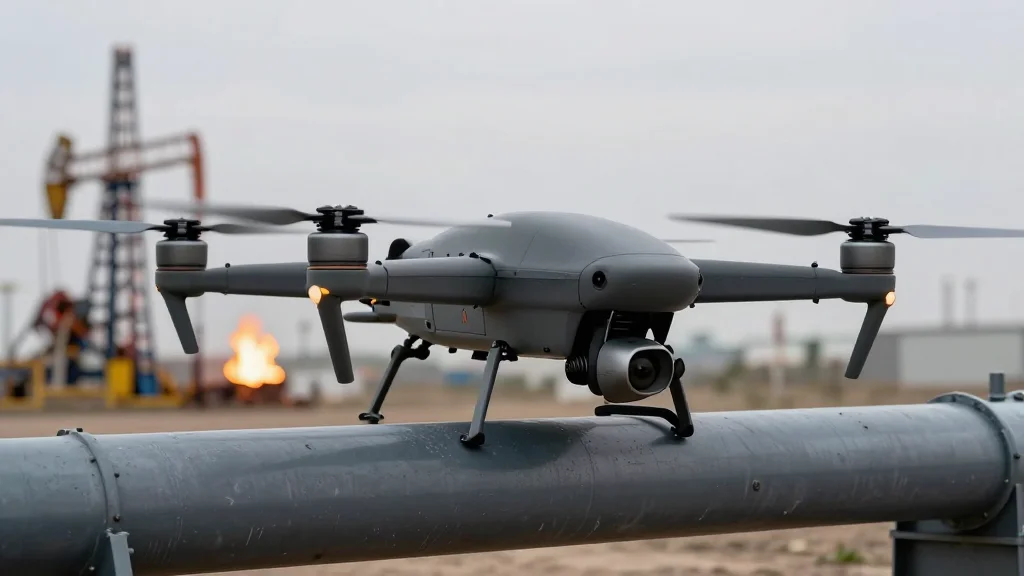
The Iran Problem Won’t Be Solved without a Counter-Drone Coalition
Why It Matters
Iran’s low‑cost drone campaign threatens regional energy and communications networks, and without a cheaper, coordinated defense the U.S. and allies face escalating costs and strategic vulnerability.
Key Takeaways
- •Iran uses cheap drones to offset expensive US and Israeli interceptors
- •Net, laser, microwave, and EW tools offer cheaper, scalable defenses
- •A trilateral coalition with Ukraine and Gulf partners can share tactics
- •Counter‑drone‑as‑a‑service model accelerates deployment to civilian infrastructure
Pulse Analysis
Iran’s post‑campaign pivot to swarms of inexpensive drones reflects a classic attrition play: it can flood the battlefield with cheap assets that force adversaries to spend far more on high‑end interceptors. By targeting Gulf energy hubs and the Strait of Hormuz, Tehran aims to inflict economic pain on the United States and Israel, betting that its own tolerance for prolonged cost‑burdens exceeds that of its opponents. This asymmetric approach has already exposed a critical gap in regional air‑defense postures, where traditional missile‑shield budgets prioritize ballistic threats over low‑altitude unmanned systems.
The high‑cost kinetic solutions—Patriot, THAAD, and similar platforms—are ill‑suited to counter mass‑produced drones, leading to an unsustainable fiscal spiral. Emerging non‑kinetic tools such as high‑powered microwaves, directed‑energy lasers, and electronic‑warfare suites promise cheaper scalability, yet each carries operational limits like weather sensitivity or collateral interference. Net‑based systems, proven in Ukraine and glimpsed in Iraq, offer a low‑tech stopgap but lack standardization across services. A diversified arsenal that blends these technologies can blunt Iran’s swarm advantage without draining defense budgets.
The most viable path forward is a multilateral coalition that unites U.S. resources, Ukrainian combat experience, and Gulf infrastructure needs. By institutionalizing a “counter‑drone‑as‑a‑service” framework, partners can share tactics, integrate existing tools, and rapidly field new solutions to protect civilian power, water, and communications networks. This model not only spreads costs but also creates a feedback loop where battlefield lessons from Ukraine inform Gulf deployments, accelerating doctrinal development and preserving U.S. industrial leadership in the emerging counter‑drone market.
The Iran problem won’t be solved without a counter-drone coalition
Comments
Want to join the conversation?
Loading comments...