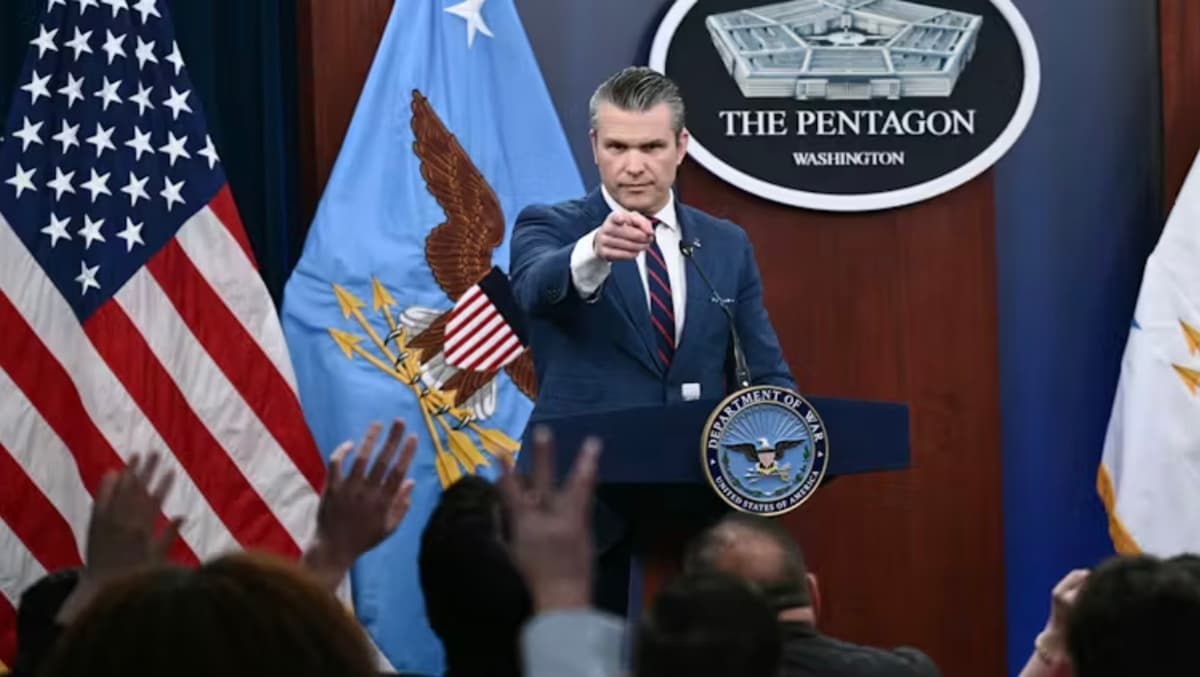
The Juvenile Bravado of Hegseth’s Iran Kill Talk
•March 10, 2026
0
Why It Matters
The rhetoric reshapes public perception of military action, undermining transparent policy debate and increasing strategic risk for governments and related industries.
Key Takeaways
- •Hegseth dismissed rules of engagement in Iran war.
- •Used hyper‑masculine “kill talk” to glorify violence.
- •Rhetoric mirrors MAGA media’s anti‑institutional stance.
- •Signals shift toward loyalty‑based, showmanship‑driven defense leadership.
- •Raises concerns about democratic accountability and strategic transparency.
Pulse Analysis
Pete Hegseth’s briefings starkly contrasted with former Defense Secretary James Mattis’s measured tone, opting instead for action‑movie one‑liners and unapologetic boasts about lethal capabilities. By framing the Iran conflict as a pure win‑or‑lose scenario, he sidestepped any discussion of long‑term strategy, nation‑building, or civilian protection. This "kill talk"—a rhetorical device that dehumanizes the enemy and glorifies death—mirrors the language of far‑right media, where dominance and swagger replace nuanced policy discourse.
The shift in defense communication reflects a broader cultural pivot toward loyalty‑driven, media‑savvy officials who prioritize attention‑grabbing soundbites over institutional expertise. Hegseth’s dismissal of traditional rules of engagement signals a willingness to bypass established safeguards, raising questions about internal checks within the Pentagon. For stakeholders—ranging from defense contractors to investors—such unpredictability can translate into heightened regulatory scrutiny, supply‑chain volatility, and reputational risk, especially when public sentiment turns against perceived “unaccountable” warfare.
Beyond immediate military implications, the episode underscores the strategic cost of politicized rhetoric for democratic governance. When senior officials treat war as a game, it erodes public trust and hampers informed debate, which are essential for stable policy environments. Companies operating in the defense sector must therefore anticipate heightened demand for transparency and ethical guidelines, while policymakers need to reinforce communication protocols that balance decisive action with democratic accountability. The long‑term health of both national security and market confidence depends on restoring measured, accountable discourse in the halls of power.
The juvenile bravado of Hegseth’s Iran kill talk
0
Comments
Want to join the conversation?
Loading comments...