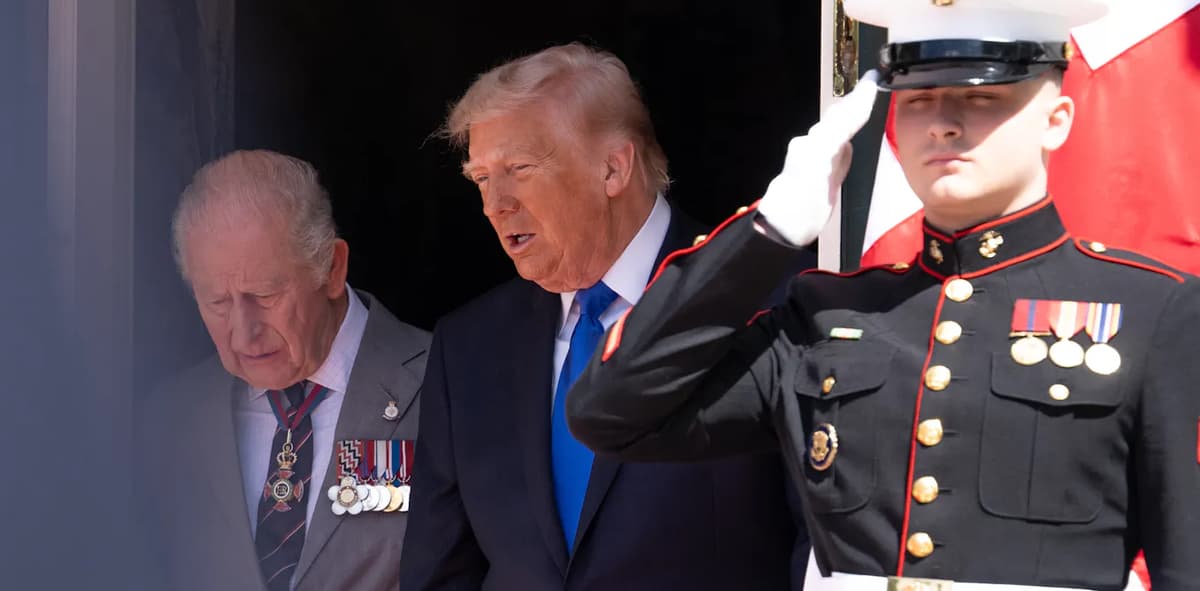
The King’s State Visit Was a Success – but There Is Still a Chasm to Bridge Between UK and US Outlooks
Why It Matters
The tariff relief offers immediate economic gain for the UK’s whisky sector, while the divergent rhetoric signals deeper strategic divergences that could shape future transatlantic policy and trade.
Key Takeaways
- •Trump removed whisky tariffs after king's visit
- •King Charles praised democracy, diversity in Congress speech
- •Visit underscores historic but limited impact on US-UK ties
- •Differing rhetoric reveals deeper transatlantic ideological divide
Pulse Analysis
The king’s four‑day U.S. tour blended ceremony with subtle statecraft. A wreath‑laying at Arlington, a Virginia block party, and a first‑ever address to Congress showcased Charles’s diplomatic polish, earning applause across the aisle. The most tangible outcome was President Trump’s decision to lift tariffs on Scotch whisky, a move welcomed by the Scottish distilling community and likely to boost U.K. export revenues. This immediate win illustrates how symbolic gestures can translate into concrete trade benefits, especially for niche industries reliant on goodwill.
Royal visits have long been diplomatic tools, yet history tempers expectations. King George VI’s 1939 trip and Queen Elizabeth II’s 1957 tour both generated goodwill but did not instantly shift U.S. policy or resolve lingering tensions, such as the post‑Suez rift. Charles’s 20th Washington visit follows this pattern: it can soften rhetoric and open channels, but substantive policy changes depend on broader political currents. The episode reinforces the notion that monarchic diplomacy is a catalyst, not a substitute, for legislative and executive action.
The contrasting tones of the two leaders’ speeches expose a widening ideological chasm. While Charles emphasized multilateralism, NATO, and inclusive democratic values, President Trump invoked “Anglo‑Saxon courage,” echoing early‑20th‑century notions that many view as a step toward exclusionary nationalism. This divergence reflects deeper debates over the post‑World‑II liberal order versus a resurgence of heritage‑based identity politics. For businesses and policymakers, the split signals potential volatility in transatlantic cooperation on security, trade, and climate initiatives, underscoring the need for nuanced diplomatic engagement beyond ceremonial visits.
The king’s state visit was a success – but there is still a chasm to bridge between UK and US outlooks
Comments
Want to join the conversation?
Loading comments...