The Kremlin Files: Russian Double Agents and Operational Games
•February 4, 2026
0
Key Takeaways
- •Russian intelligence prioritizes regime survival over national interest
- •Double agents generate false success metrics for Putin’s budget
- •Operational games date back to Soviet OGPU’s TRUST operation
- •Modern FSB targets journalists, NGOs, and businesspeople abroad
- •Western agencies must scrutinize Russian “spy” statistics
Summary
The article explains that Russian intelligence agencies prioritize loyalty to Putin and the regime over national interests, making double‑agent operations—called operational games—their core doctrine. These operations generate fabricated success stories and statistics that feed directly into Kremlin budget justifications. Historical examples from the Soviet OGPU’s TRUST operation to Cold‑War agents like Kim Philby illustrate a long‑standing pattern of using double agents to manipulate adversaries and internal narratives. Modern FSB units now target journalists, NGOs and businesspeople, turning espionage into a tool for extortion and political leverage.
Pulse Analysis
Russian intelligence services differ fundamentally from their Western counterparts because their loyalty is anchored to the Kremlin and President Vladimir Putin rather than to a constitutional mandate. This allegiance drives a doctrine in which double‑agent operations—known as *operativnye igry*—are not occasional tricks but the cornerstone of success metrics. By feeding controlled information to foreign services, the FSB, SVR and GRU can monitor adversary tradecraft, manipulate decision‑making, and, crucially, produce the statistics that justify budget allocations and political patronage within Moscow’s power structure.
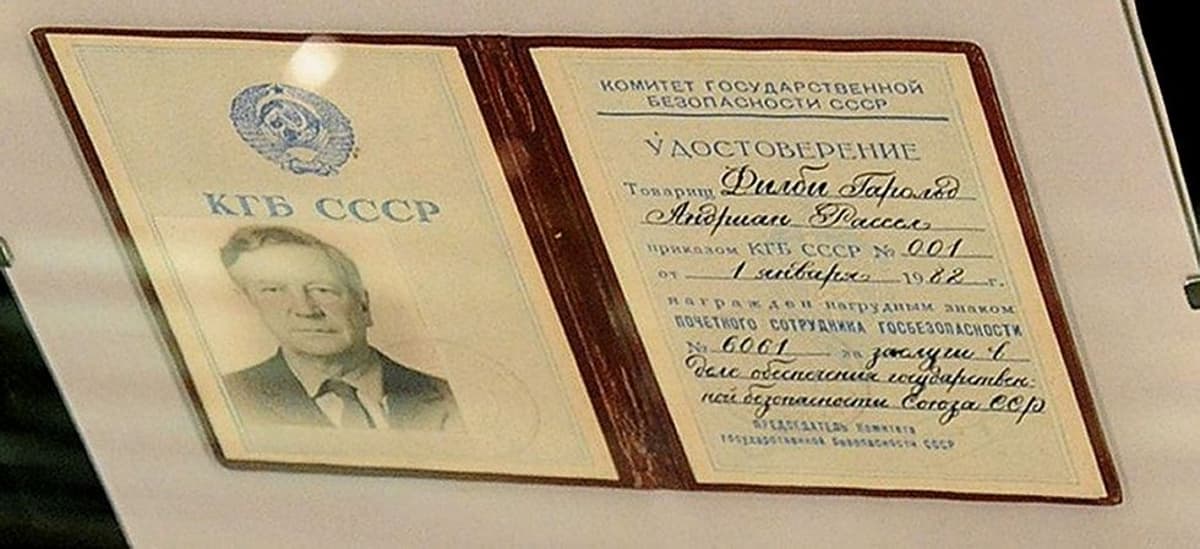
The practice has deep historical roots. In the 1920s the OGPU’s Operation TRUST created a fictitious anti‑Bolshevik network to lure Western spies, culminating in the capture of British officer Sidney Reilly. During the Cold War, assets such as Kim Philby were exploited to shape Western threat perceptions, while the late‑1980s KGB double‑agent campaigns fed false intelligence to explain U.S. losses. These episodes illustrate how the Soviet and later Russian services have consistently used fabricated cases to project competence, reinforce internal narratives, and secure resources from the political elite.
Today the FSB’s counter‑intelligence directorate (DKRO) extends the same playbook to journalists, NGOs, and business executives, often arresting them on spurious charges to extract concessions or facilitate prisoner swaps, as seen in the Evan Gershkovich case. The inflated “spy” statistics reported annually to Putin serve as a budgetary lever, encouraging further corruption and expanding the intelligence footprint. For Western firms and governments, recognizing the distinction between genuine penetrations and state‑manufactured double‑agent operations is essential for risk assessment, diplomatic strategy, and safeguarding critical assets against a regime that weaponizes espionage for political survival.
Comments
Want to join the conversation?