The Lawlessness of Trump’s War in Iran
•March 10, 2026
0
Why It Matters
The war undermines the credibility of the U.S. legal framework for armed conflict and exposes civilians to unprecedented risk, reshaping global expectations of accountability.
Key Takeaways
- •War launched without UN Security Council authorization.
- •Civilian deaths exceed one thousand, including school strike.
- •DoD civilian harm mitigation office dismantled.
- •Legal experts label attacks as war crimes.
- •Pentagon culture clash over rules of engagement.
Pulse Analysis
The legality of the U.S.-Israel campaign in Iran is being contested on two fronts: the right to use force and the conduct of hostilities. Under the United Nations Charter, military action requires either Security Council approval or a clear self‑defense claim, neither of which appears substantiated in this case. International law scholars, including Yale’s Oona Hathaway, contend that the absence of an imminent threat and the lack of UN endorsement render the war unlawful, exposing the United States to potential accusations of aggression and war‑crime liability.
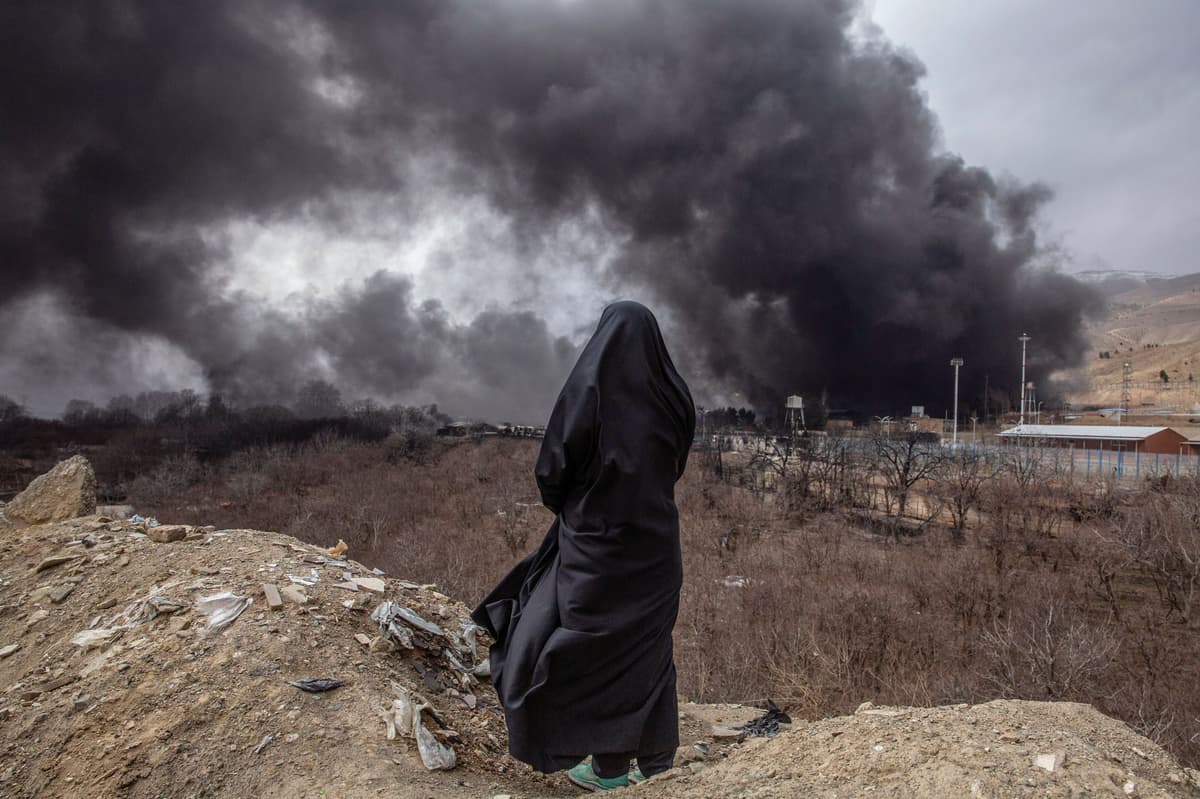
Beyond the question of authorization, the war’s execution has highlighted a systematic erosion of civilian‑protection mechanisms within the Department of Defense. The dismantling of the Civilian Harm Mitigation and Response Action Plan—once staffed by dedicated legal and policy experts—has coincided with strikes that have indiscriminately hit schools, desalination plants, and oil facilities. These targets, many classified as civilian or dual‑use, have caused extensive collateral damage, prompting debates over proportionality and the long‑tail environmental effects that should factor into the legality of attacks.
The broader implications extend to U.S. military culture and international standing. While senior officials like Secretary of Defense Pete Hegseth dismiss rules of engagement as “stupid,” many career officers and legal advisors continue to champion the protections that safeguard both civilians and American troops. This internal tension signals a potential cultural shift that could weaken adherence to the laws of armed conflict, eroding the United States’ moral authority and inviting reciprocal violations from adversaries. The outcome of this conflict may therefore redefine how future wars are justified, conducted, and judged on the world stage.
The Lawlessness of Trump’s War in Iran
0
Comments
Want to join the conversation?
Loading comments...