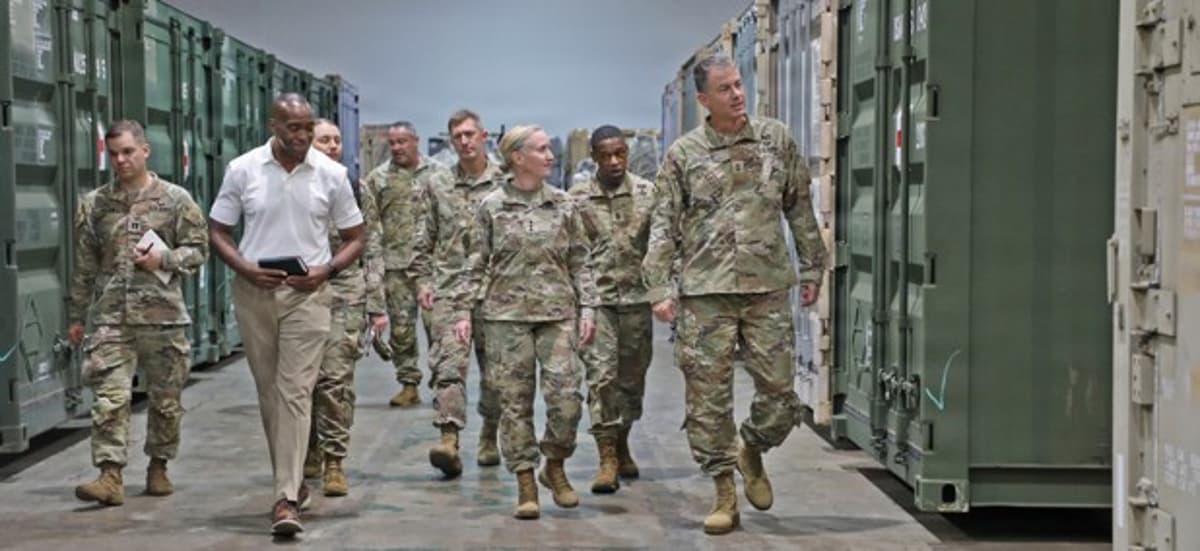
The Military Says It’s Ready to ‘Fight Tonight’ in the Pacific. Can It Sustain that Fight?
Why It Matters
Without forward‑located materiel and repair capability, U.S. deterrence in the region erodes, giving adversaries a strategic advantage. Effective sustainment is now a decisive factor in any potential Indo‑Pacific conflict.
Key Takeaways
- •U.S. prepositions equipment across Indo‑Pacific to cut 7,000‑mile supply lines
- •Forward repair contracts enable fixes in Korea, Japan, Australia, Singapore
- •Marines aim to sustain forces 45 days within first island chain
- •China holds >50% global shipbuilding; U.S. seeks non‑traditional partners
- •Logistics gaps risk deterrence if forces aren’t forward when conflict starts
Pulse Analysis
The Indo‑Pacific’s sheer scale—spanning thousands of miles of ocean—has forced the United States to rethink traditional logistics. By distributing stockpiles and repair hubs across Guam, Australia, Japan, South Korea and the Philippines, the military can dramatically shorten the time it takes to move troops and equipment from the mainland. This forward‑positioning strategy not only reduces transit times but also mitigates the vulnerability of long, exposed supply lines that could be targeted by a peer adversary.
A critical component of this new sustainment model is the ability to repair equipment on‑site rather than shipping it back to the United States. Expanded contracts now allow broken assets—ranging from watercraft to armored vehicles—to be serviced in regional shipyards and forward depots. This shift cuts repair cycles from months to weeks, preserving combat readiness during crises such as the annual Talisman Sabre exercise, where previously a 30‑day voyage was required to return a damaged vessel to the West Coast.
Strategically, the emphasis on logistics as a war‑fighting function reflects broader concerns about China’s dominance in commercial shipbuilding, which exceeds 50 % of global capacity. To counter this, the U.S. is courting non‑traditional industrial partners and accelerating domestic production of critical components. By creating a resilient, distributed supply network, American forces aim to sustain operations for at least 45 days within the first island chain, ensuring that deterrence remains credible even if a conflict erupts before full reinforcement arrives.
The military says it’s ready to ‘fight tonight’ in the Pacific. Can it sustain that fight?
Comments
Want to join the conversation?
Loading comments...