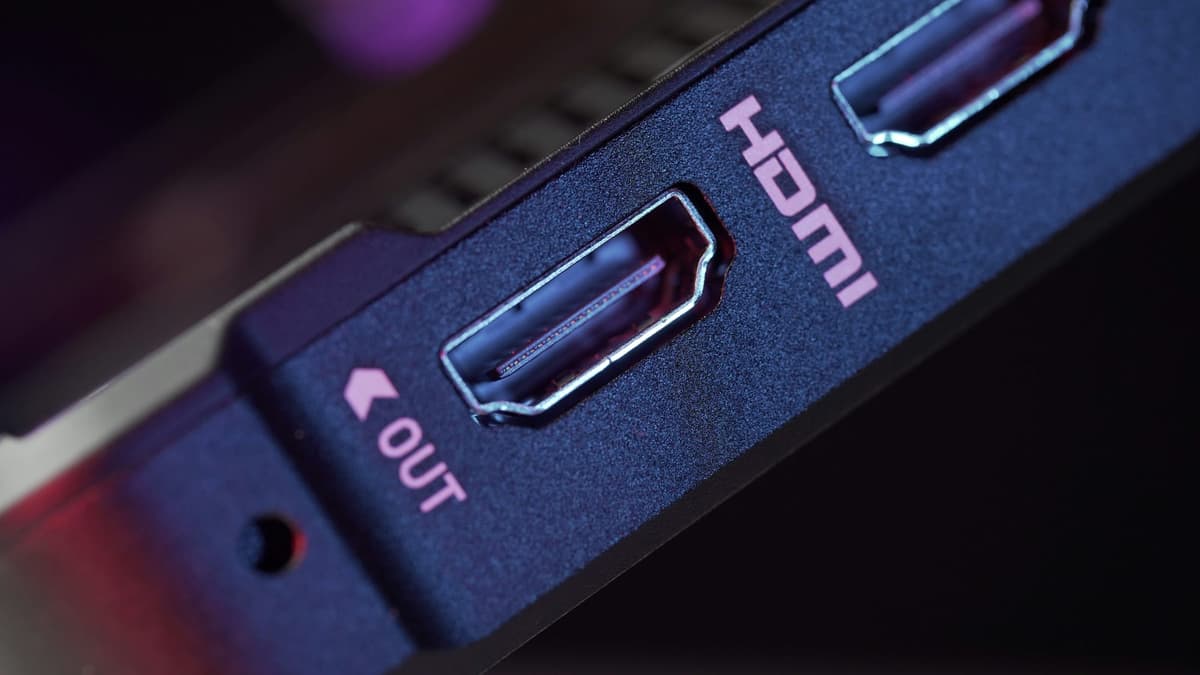
The NCSC Is Worried About HDMI-Based Attacks, Should You Be?
Why It Matters
If effective, SilentGlass could close a rarely defended vector in corporate environments, prompting a shift toward physical-layer security solutions. Conversely, skepticism highlights the risk of premature hardware adoption without clear performance data.
Key Takeaways
- •NCSC launches SilentGlass, an HDMI‑to‑DP firewall.
- •Device blocks unexpected signals, reducing monitor attack surface.
- •Goldilock partners with Sony UK to manufacture globally.
- •Experts label it innovative; others call it snake‑oil.
- •Pricing and technical specs remain undisclosed.
Pulse Analysis
HDMI and DisplayPort cables have traditionally been viewed as benign conduits for video, yet recent research shows they can carry firmware updates, side‑channel data, and even malicious payloads. Attackers exploiting these pathways can inject code into monitors, capture screen content, or pivot into internal networks. The NCSC’s decision to address this niche reflects a broader industry trend: moving security controls from software‑only layers to the physical infrastructure, where threats are harder to detect but potentially more damaging.
SilentGlass represents the NCSC’s first foray into commercial hardware. The device sits between a source and a display, inspecting each video packet and stripping non‑essential channels such as Consumer Electronics Control (CEC) or Audio Return Channel (ARC) that could be weaponized. Goldilock, a UK‑based security firm, holds the manufacturing rights and will produce the units at Sony’s UK Technology Centre, leveraging Sony’s expertise in display hardware. Early commentary from Huntress’s Olly Maxwell praises the concept as an "HDMI firewall," while critics like Cytix co‑founder Thomas Ballin deride it as "snake oil," questioning its real‑world efficacy and cost‑benefit ratio.
The market response underscores a tension between innovation and practicality. Enterprises with high‑value visual data—financial trading floors, defense command centers, and design studios—may find value in hardening their display chains, especially as supply‑chain attacks become more sophisticated. However, the lack of transparent pricing and performance benchmarks makes budgeting and risk assessment challenging. If NCSC can provide rigorous testing results and a clear ROI model, SilentGlass could spark a new category of physical‑layer security products; otherwise, it may remain a niche offering that fuels debate rather than widespread adoption.
The NCSC is worried about HDMI-based attacks, should you be?
Comments
Want to join the conversation?
Loading comments...