The ‘Obscene Economics’ of Modern Warfare Show How the Race to Military Supremacy Is Transforming, While U.S. Rearmament Relies on China
Companies Mentioned
Why It Matters
The cost asymmetry erodes the U.S. military’s ability to sustain high‑value assets, while dependence on Chinese parts threatens operational security in any great‑power clash. Adapting procurement to mass‑produced, affordable systems could redefine future force projection.
Key Takeaways
- •Iran's Shahed drones cost $20k–$50k each
- •US interceptors cost $12‑15 million, creating cost imbalance
- •45% of US precision missiles expended in Iran war
- •Key missile components sourced from Chinese supply chains
- •Pentagon developing mass‑produced LUCAS drone to counter cheap threats
Pulse Analysis
The Iran war has become a case study in what analysts call the "obscene economics" of modern combat. Low‑cost Shahed drones, priced at roughly $20,000 to $50,000, can be neutralized only by interceptors such as PAC‑3 missiles and THAAD systems that cost $4 million to $15 million each. This stark price disparity forces the United States to burn through its most expensive munitions at an unsustainable rate, with CSIS reporting that roughly half of its precision‑strike inventory has already been depleted. The depletion not only strains current operations but also threatens the U.S. ability to respond to a peer adversary like China, where consumption rates would be even higher.
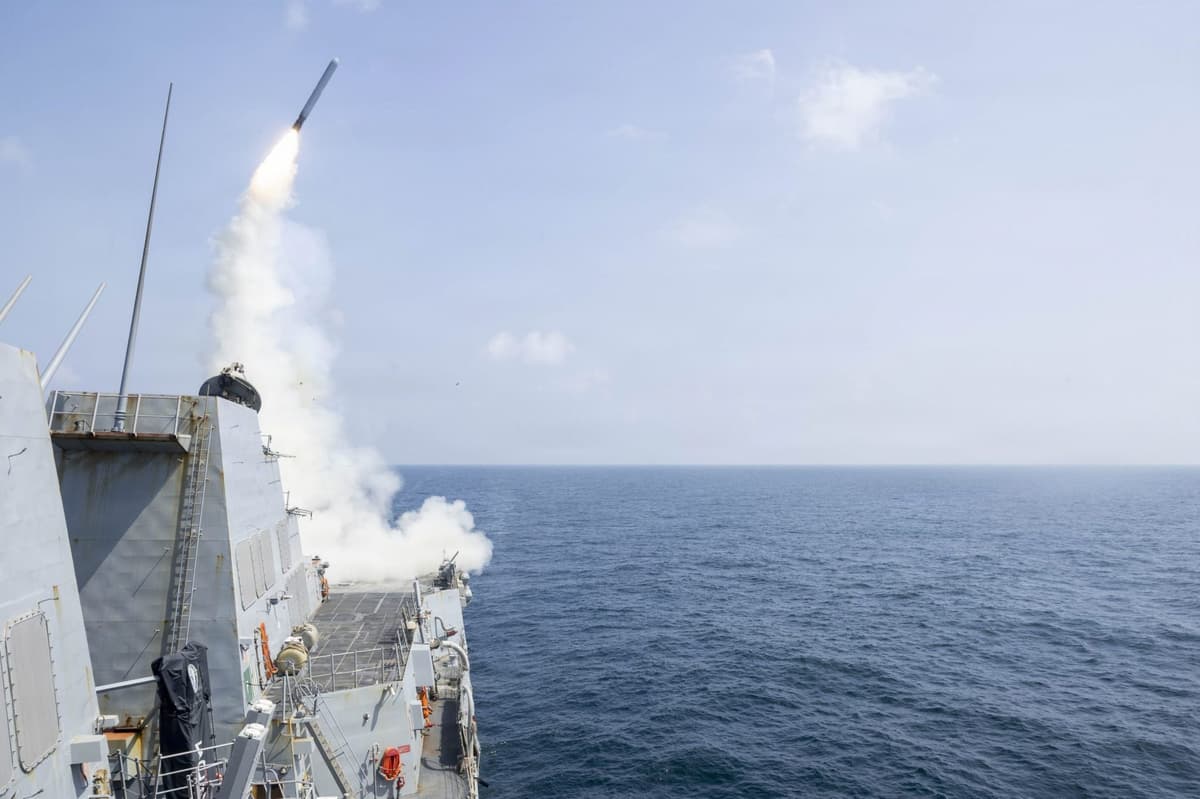
Compounding the problem is the deep reliance on Chinese supply chains for critical components of key weapons, including the Joint Air‑to‑Surface Standoff Missile, Tomahawk cruise missile, Long‑Range Anti‑Ship Missile, and Joint Direct Attack Munition guidance kits. Should geopolitical tensions disrupt these sources, the U.S. could face production bottlenecks that further erode readiness. This vulnerability has prompted strategic planners to reconsider the traditional emphasis on a few high‑cost, high‑tech platforms and to explore a more diversified arsenal that blends legacy systems with affordable, high‑volume solutions.
In response, the Pentagon is accelerating programs that prioritize rapid, scalable manufacturing. Companies like Anduril are pioneering hyperscale production techniques, while the Defense Department has fielded a domestically produced copy of the Shahed drone, the LUCAS, as a low‑cost countermeasure. By integrating inexpensive, expendable tools alongside traditional platforms, the U.S. aims to restore a cost‑effective balance of power, ensuring that future conflicts can be fought with the right tool for the right task without draining the treasury. This strategic pivot could reshape defense procurement and industrial policy for years to come.
The ‘obscene economics’ of modern warfare show how the race to military supremacy is transforming, while U.S. rearmament relies on China
Comments
Want to join the conversation?
Loading comments...