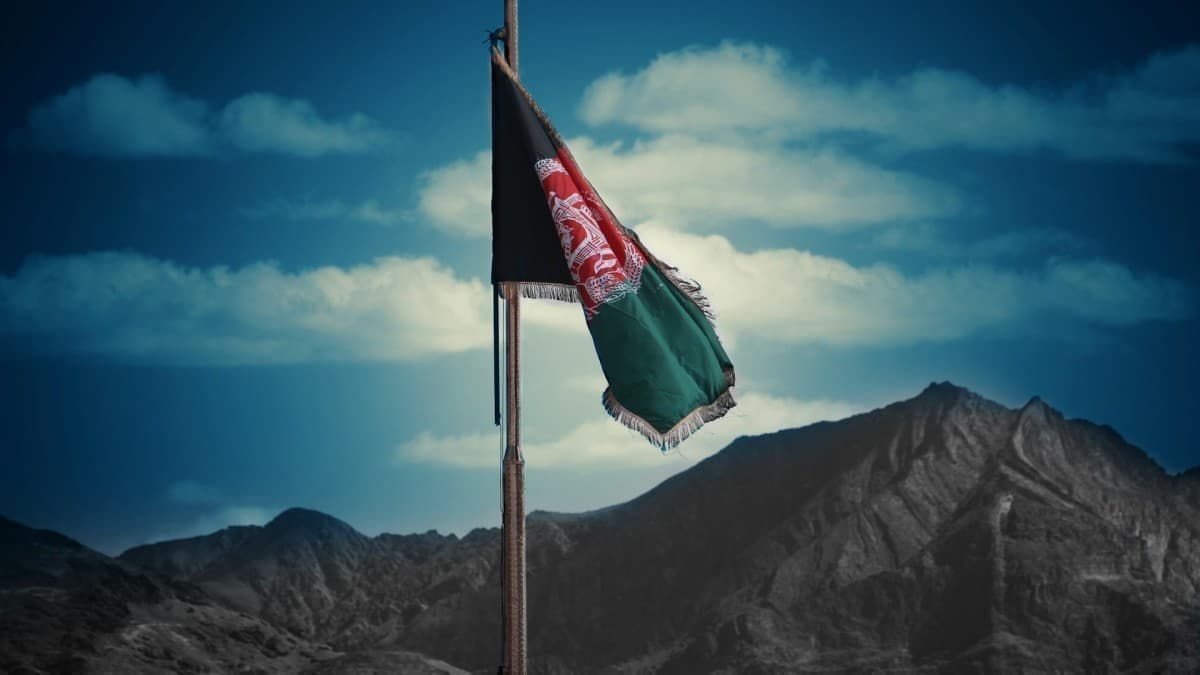
The Overlooked War China Is Desperate to Contain
Why It Matters
Stability on the Afghanistan‑Pakistan border is critical to China’s Belt‑and‑Road projects and regional security, and the outcome will test Beijing’s credibility as a mediator in volatile peripheries. The war’s spillover could also reshape U.S. and Chinese strategic calculations in South Asia and the Middle East.
Key Takeaways
- •China hosted Urumqi talks to broker Afghanistan‑Pakistan cease‑fire
- •Core dispute centers on Taliban links to TTP militants
- •Beijing’s leverage limited by entrenched mistrust between sides
- •Conflict threatens China’s Belt‑and‑Road investments in the region
- •U.S. and Iran dynamics add complexity to China’s mediation role
Pulse Analysis
The renewed hostilities between Afghanistan and Pakistan have surged since February 2026, with United Nations estimates reporting hundreds of fatalities and mass displacement along the porous border. Beijing stepped in on April 8, convening delegations from Kabul, Islamabad and its own officials in Urumqi, hoping to showcase a diplomatic alternative to the kinetic stalemate. While the talks were described as "frank and pragmatic" by China’s foreign ministry, the underlying grievance—Taliban tolerance of the Tehrik‑e‑Taliban Pakistan—remains unresolved, limiting any immediate cease‑fire prospects.
China’s mediation reflects a broader strategic calculus: securing stability on its western flank is essential for the uninterrupted flow of Belt‑and‑Road infrastructure and energy corridors that link Central Asia to the Chinese heartland. Historically, Beijing has intervened only in conflicts where swift, tangible outcomes were possible, such as the 2023 Iran‑Saudi rapprochement. In the Afghanistan‑Pakistan case, however, Beijing’s leverage is largely symbolic, relying on economic incentives for Pakistan and market access for the Taliban, rather than hard political pressure. This constrained influence is further complicated by Beijing’s simultaneous diplomatic tightrope over the Iran war, where it balances its role as a major oil buyer with the desire to avoid direct confrontation with the United States.
The stakes extend beyond regional trade. A protracted border war could destabilize neighboring Xinjiang, threaten Chinese investment projects, and invite greater U.S. involvement under the banner of counter‑terrorism. For policymakers, the lesson is clear: short‑term dialogue must be paired with a long‑term commitment to address the structural drivers of militancy, including the TTP’s cross‑border networks. Sustained multilateral engagement—potentially leveraging Qatar, Turkey and Saudi Arabia—could provide the durability that China’s one‑off summit lacks, preserving both regional peace and China’s growing diplomatic credibility.
The Overlooked War China Is Desperate to Contain
Comments
Want to join the conversation?
Loading comments...