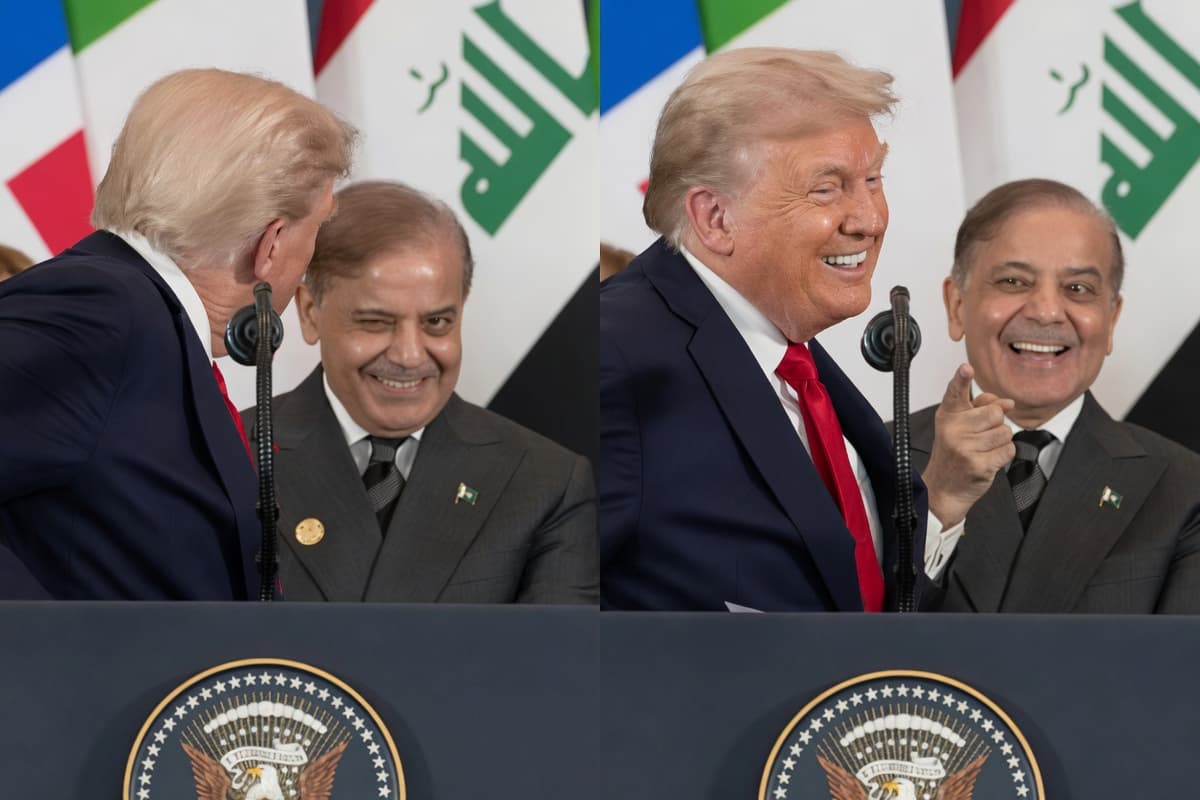
The Pakistan Trap: Israeli Analyst Explains Why Washington Keeps Picking Pakistan Over India: OPED
Companies Mentioned
Why It Matters
U.S. misalignment with Pakistan undermines regional stability, fuels proliferation risks, and erodes American credibility, while overlooking India’s democratic partnership potential.
Key Takeaways
- •US designated Pakistan a Major Non‑NATO Ally in 2004 despite violations.
- •Pakistan’s 2025 MoU with Trump‑linked firm explored a dollar‑backed stablecoin.
- •Repeated US aid enabled Pakistan’s nuclear and missile programs to advance.
- •Indian democracy contrasted with Pakistan’s recurring military dominance in US calculations.
- •US mediation after 2025 Kashmir attacks favored Pakistan, undermining Indian security.
Pulse Analysis
Washington’s historical tilt toward Pakistan reflects a Cold‑War logic that prized immediate strategic access over institutional reliability. The 1954 mutual defense assistance pact and Pakistan’s membership in SEATO and CENTO locked the United States into a partnership that tolerated coups, nuclear ambitions, and proxy wars. Over the decades, U.S. aid—often reinstated after sanctions—has financed a military‑centric state, allowing Pakistan to develop a sophisticated nuclear arsenal and long‑range missile capabilities that now pose a direct concern for American security interests.
In contrast, India’s democratic continuity and deepening ties with the Quad present a more stable platform for U.S. engagement in South Asia. The op‑ed highlights how recent U.S. actions, such as the 2025 memorandum of understanding with a Trump‑linked financial firm to explore a dollar‑backed stablecoin, blur the line between strategic policy and private business interests. This convergence not only risks regulatory scrutiny but also signals to regional actors that Washington values transactional convenience over democratic values, reinforcing Pakistan’s leverage despite its security liabilities.
Reorienting U.S. policy toward India would address multiple strategic gaps: it would reduce reliance on a nuclear‑armed state with a history of supporting extremist proxies, strengthen supply‑chain resilience through diversified partnerships, and reinforce America’s credibility as a promoter of democratic norms. By aligning defense, economic, and diplomatic tools with India’s institutional strengths, Washington can better contain Chinese influence, curb proliferation, and foster a more coherent approach to South Asian stability. The shift would also mitigate the reputational damage caused by repeatedly rehabilitating Pakistan after each breach of international norms.
The Pakistan Trap: Israeli Analyst Explains Why Washington Keeps Picking Pakistan Over India: OPED
Comments
Want to join the conversation?
Loading comments...