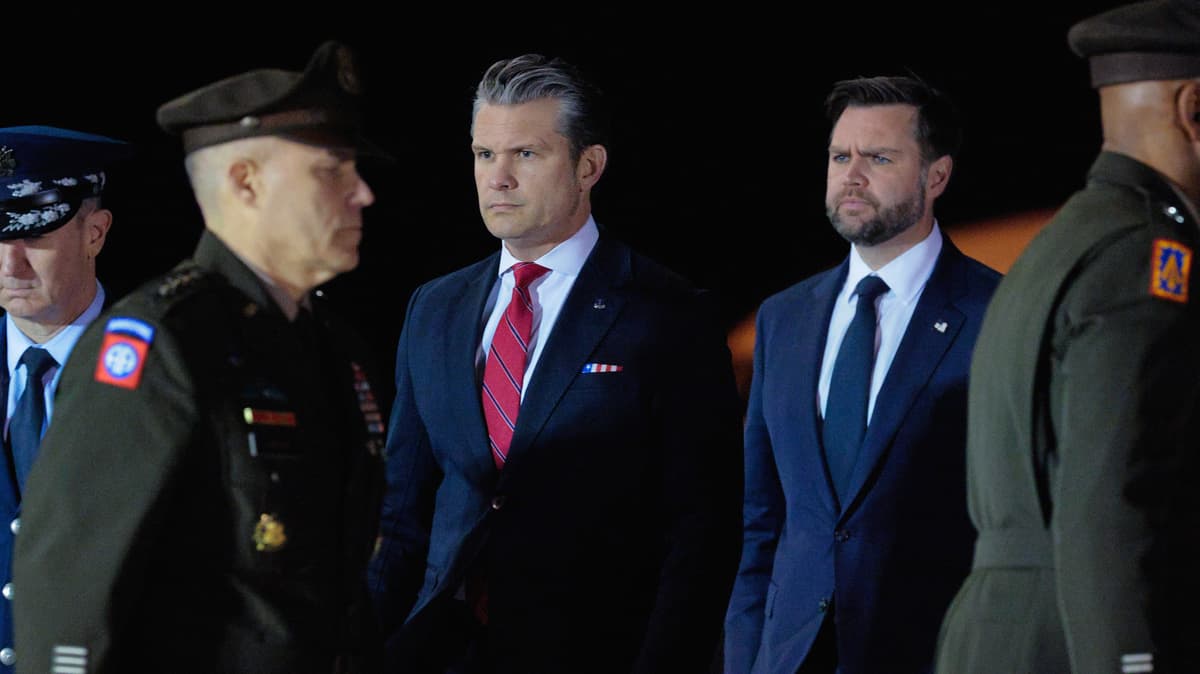
The Pentagon May Not Be Telling Trump the Full Picture About the War
Why It Matters
If U.S. missile reserves are critically low, America’s ability to deter China, Russia or North Korea could be compromised, and the internal debate may influence both war policy and Vance’s political future.
Key Takeaways
- •Vance doubts Pentagon's optimistic missile stockpile reports
- •CSIS says U.S. used over half of four key munitions
- •Shortages could limit US response in Taiwan, Korea, Europe
- •Hegseth praised war success, but intel shows Iranian resilience
- •Internal rifts may shape Trump administration’s war strategy
Pulse Analysis
The Iran conflict has become a flashpoint for a deeper debate over the Pentagon’s transparency and the United States’ strategic reserves. While Secretary Pete Hegseth and Joint Chiefs Chair Dan Caine have repeatedly assured President Trump that missile stockpiles are "virtually unlimited," senior officials and think‑tank analyses, such as the Center for Strategic and International Studies, indicate that more than 50% of four critical munitions have already been expended. This depletion stems not only from the Iran campaign but also from sustained support to Ukraine and Israel, exposing a chronic under‑investment in munitions manufacturing that predates the current war.
Vice President J.D. Vance’s persistent questioning reflects a growing unease within the administration about the sustainability of U.S. firepower. By raising the issue in closed‑door meetings, Vance signals that the war’s short‑term gains may be outweighed by long‑term readiness gaps, especially as the United States must simultaneously deter aggression in the Taiwan Strait, the Korean Peninsula, and Eastern Europe. The internal discord also underscores the political calculus at play: Vance’s stance could bolster his credibility for a potential 2028 presidential run, while Hegseth’s alignment with President Trump’s narrative serves to preserve his own standing within a MAGA‑oriented defense establishment.
The broader implications extend beyond the immediate theater. A weakened missile inventory could force the Pentagon to prioritize certain contingencies over others, potentially reshaping alliance dynamics and prompting allies to seek alternative security guarantees. Moreover, the public perception of a "victorious" war, amplified by Hegseth’s media‑savvy briefings, may clash with the reality of dwindling resources, creating a credibility gap that could affect future congressional funding battles. As the war drags on and the cease‑fire remains indefinite, the tension between optimistic messaging and logistical constraints will likely become a defining factor in U.S. defense policy and the political fortunes of both Vance and Hegseth.
The Pentagon May Not Be Telling Trump the Full Picture About the War
Comments
Want to join the conversation?
Loading comments...