Why It Matters
Militarized policing expands executive authority while undermining oversight, threatening the constitutional balance that safeguards American democracy. The pattern also raises doubts about the long‑term effectiveness of using troops to solve crime.
Key Takeaways
- •Trump deployed National Guard to D.C. under crime emergency
- •Latin America shows militarization erodes civil liberties
- •Research finds military policing rarely reduces long‑term crime
- •Executive power expands while oversight weakens during emergencies
- •Democratic institutions risk permanent shift toward military control
Pulse Analysis
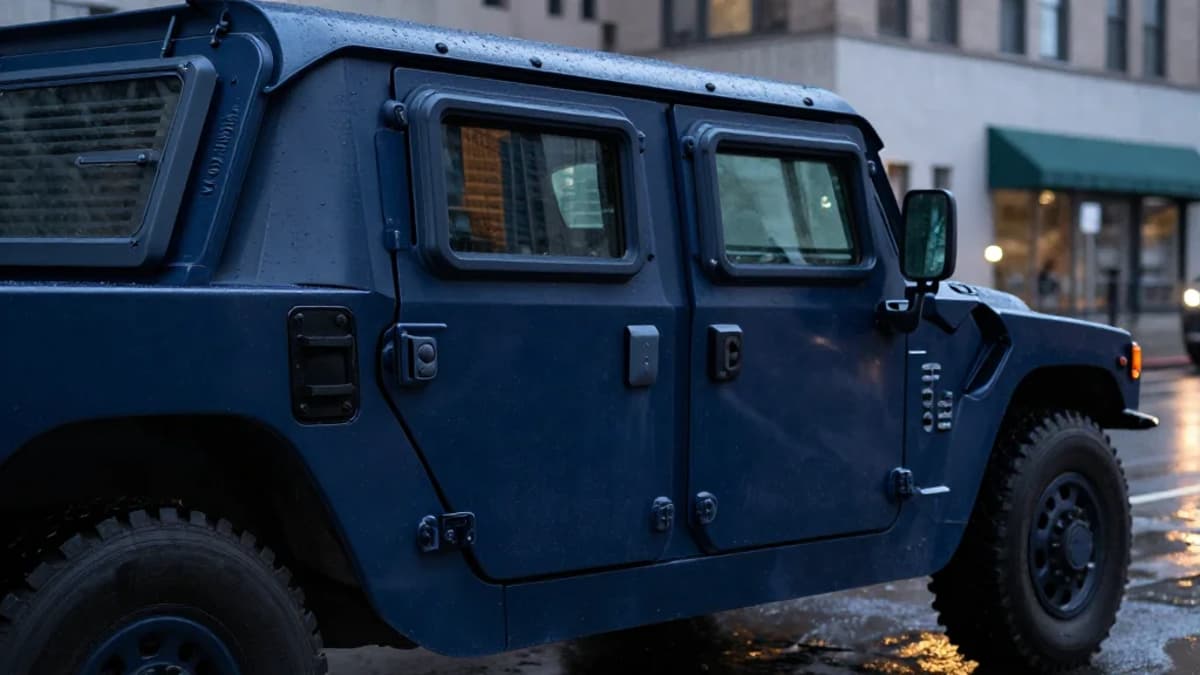
The August 2025 National Guard deployment in Washington, D.C. revived a debate that has long been settled by U.S. legal tradition. The Insurrection Act and the Posse Comitatus Act were crafted to keep soldiers out of everyday law‑enforcement, preserving a clear civil‑military divide that underpins republican governance. By invoking a crime emergency, the Trump administration sidestepped these safeguards, setting a precedent that could normalize federal troop involvement in public‑safety operations. This shift not only challenges constitutional norms but also raises practical concerns about training, rules of engagement, and the potential for rights violations when soldiers act as police.
Across Latin America, the pattern repeats with stark consequences. Mexico’s 2006 "war on drugs" saw the military assume policing duties, yet homicide rates more than tripled by 2019. Ecuador and Brazil experienced similar escalations, where temporary deployments morphed into routine security measures, inflating executive power and stifling civilian oversight. Academic studies, including work by Blair, Weintraub, and Zarkin, consistently show that while troop presence may produce short‑term crime dips, it fails to address structural drivers and often fuels higher violence and human‑rights abuses. These outcomes serve as a cautionary backdrop for U.S. policymakers considering comparable tactics.
For the United States, the stakes are both democratic and practical. Persistent militarization threatens to erode the checks and balances that keep executive authority in check, marginalizing state and local governments and weakening judicial review. Legal challenges, such as recent Supreme Court rulings limiting federal Guard deployments, illustrate the judiciary’s role as a potential brake. Nonetheless, lasting reform will require clear legislative boundaries, reinforced funding for civilian police, and public education on the limits of military power in a free society. Only by reaffirming the civil‑military separation can the nation safeguard both public safety and its constitutional heritage.
The Perils of Militarizing Law Enforcement
0
Comments
Want to join the conversation?
Loading comments...