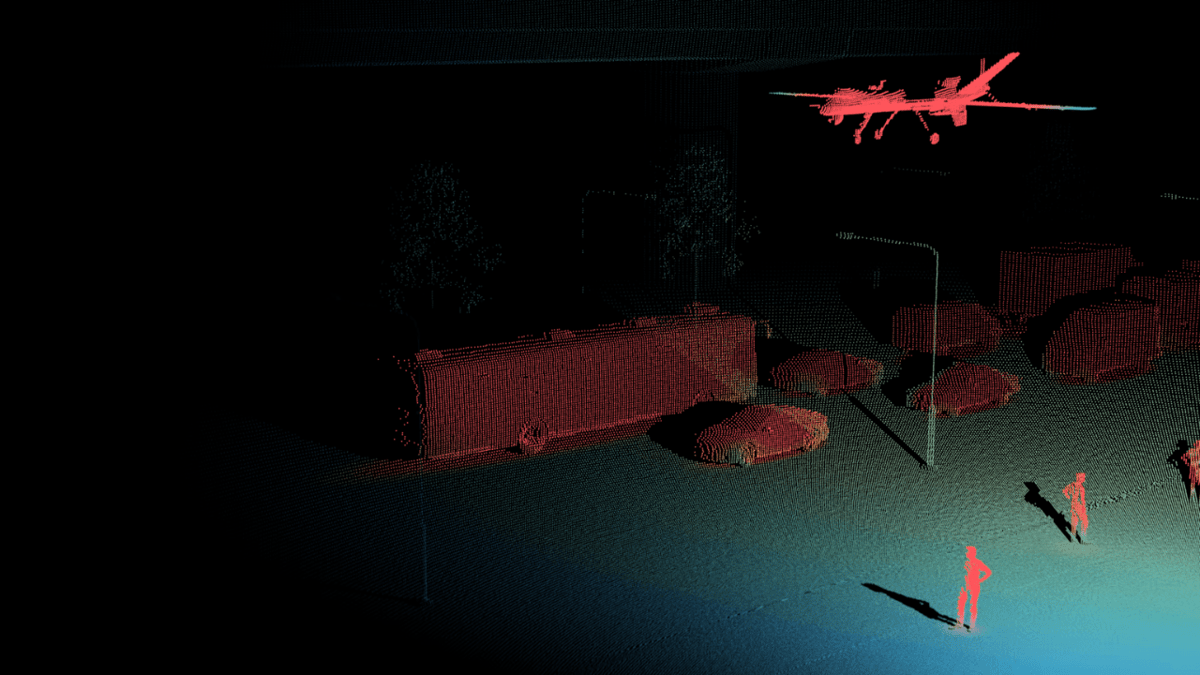
The Radar Gap Killing Western Defences — and the Berlin Chip Startup Closing It
Companies Mentioned
Why It Matters
The technology gives Western militaries a scalable, jam‑resistant way to counter the surge of cheap combat drones, a capability increasingly critical in modern battlefields. Its non‑US/Chinese provenance also aligns with defence procurement preferences, opening sizable market opportunities.
Key Takeaways
- •Xavveo's fiber‑optic sensor network detects drones within 5‑10 km
- •Updates 20‑30 times per second, far faster than traditional radars
- •Combines radar, infrared, acoustic and camera data in one fiber system
- •Defense customers prefer non‑US/Chinese tech, boosting Xavveo's appeal
- •Founded 2023, now 50 staff, seed‑raised €8.6 M (~$9.3 M)
Pulse Analysis
The rise of inexpensive, off‑the‑shelf drones has exposed a glaring vulnerability in legacy air‑defence architectures: a near‑field detection gap where conventional radar struggles to resolve small, low‑altitude targets. Xavveo’s photonic‑chip platform leverages fibre‑optic distribution to create a single, coherent sensor that operates at ultra‑high frequencies, delivering sub‑0.1‑degree resolution and refresh rates of 20‑30 Hz. By integrating radar, infrared, acoustic and visual inputs, the system can differentiate drones from birds and clutter, dramatically reducing false alarms that plague traditional solutions.
Beyond the technical edge, Xavveo’s shift toward defence reflects broader market dynamics. Western armed forces are increasingly wary of relying on US or Chinese components for critical surveillance, preferring indigenous or European‑sourced technologies. The startup’s Berlin roots and its team’s deep expertise in silicon photonics give it a strategic foothold in this niche, while its modest seed round—approximately $9.3 million—provides runway to scale production and pursue contracts with NATO‑aligned entities. The ability to function without GPS or 5G further enhances its appeal in contested electromagnetic environments.
Looking ahead, the adoption of distributed fibre‑optic sensing could reshape perimeter security and autonomous logistics across both military and civilian sectors. As drone swarms become more sophisticated, the demand for real‑time, high‑resolution situational awareness will only intensify. Xavveo’s architecture, which treats an entire network of sensors as a single high‑frequency eye, offers a template for next‑generation perception systems that blend resilience, scalability, and cost‑effectiveness—key attributes for any organization seeking to safeguard critical infrastructure against emerging aerial threats.
The radar gap killing Western defences — and the Berlin chip startup closing it
Comments
Want to join the conversation?
Loading comments...