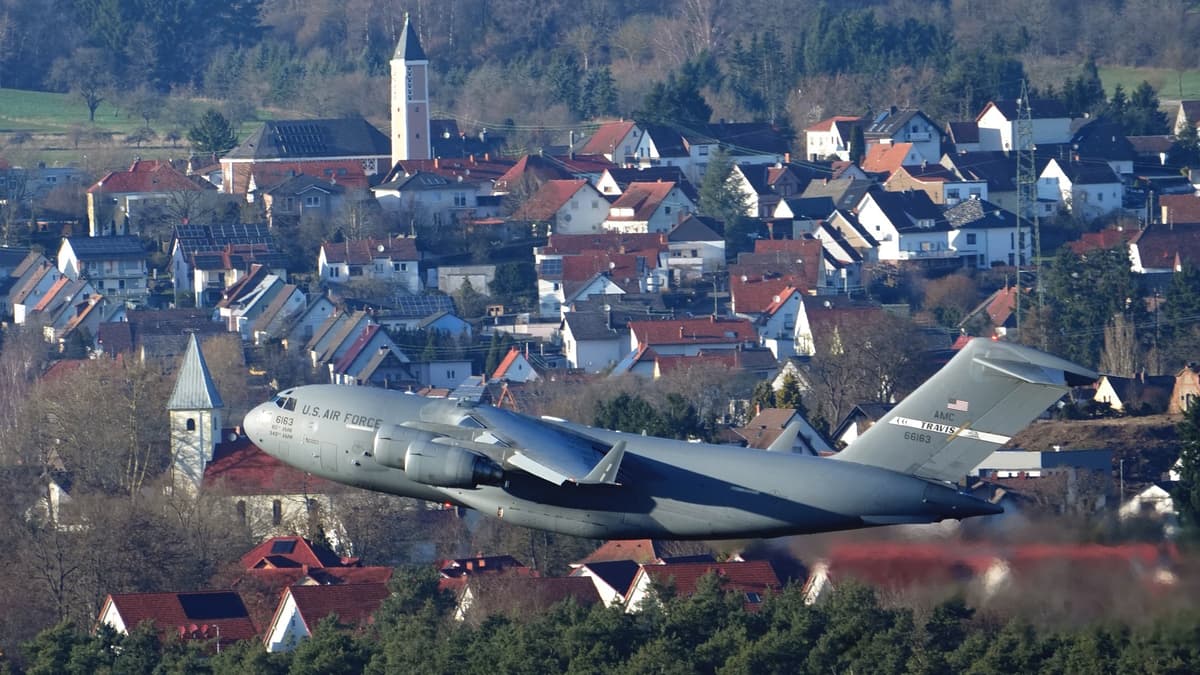
The Real Cost of Withdrawing U.S. Troops From Germany
Why It Matters
The withdrawal jeopardizes regional stability and the economic livelihood of German towns while indicating a strategic pivot that could weaken the transatlantic alliance.
Key Takeaways
- •U.S. will cut 5,000 troops from Germany this year
- •Reductions target units around Vilseck and Grafenwoehr training bases
- •German towns risk thousands of base‑related jobs disappearing
- •Withdrawal may erode decades‑long cultural ties between U.S. and Germany
- •Strategic shift to Indo‑Pacific could weaken Europe‑centric alliance model
Pulse Analysis
The Trump administration’s decision to pull 5,000 troops from Germany marks the most significant post‑Cold War reduction of the U.S. European footprint. While the official narrative frames the move as a cost‑saving measure and a response to NATO burden‑sharing disputes, Pentagon planners see it as the first step in a broader rebalancing toward the Indo‑Pacific. By targeting units stationed at Vilseck and Grafenwoehr, the drawdown will shrink the roughly 50,000‑person American presence that has underpinned U.S. forward deployment for eight decades, raising questions about the durability of America’s commitment to European security.
Beyond the strategic calculus, the economic shockwaves will be felt most acutely in the Rhineland‑Palatinate, where U.S. bases are among the largest employers. Thousands of German civilians work directly for the military, while countless ancillary businesses—restaurants, bakeries, housing providers—depend on the steady flow of American personnel and their families. The loss of a brigade combat team could translate into a cascade of job cuts, reduced municipal revenues, and the erosion of a unique cultural exchange that turned towns like Kaiserslautern into “Little America.” This social fabric, built on shared schools, marriages, and community events, is not easily replaced by market forces.
Strategically, the pullout sends a mixed signal to allies. Europe may interpret the reduction as a retreat from the “Ramstein model” of deep, ground‑level integration that has long undergirded NATO cohesion. At the same time, the United States is courting new partnerships across the Philippines, Vietnam, and South Asia, hoping to construct a latticework of alliances in the Indo‑Pacific. Balancing these competing priorities will test Washington’s credibility; a perceived abandonment of Europe could embolden adversaries and complicate future coalition building, especially as the U.S. seeks to project influence in an increasingly contested Asian theater.
The Real Cost of Withdrawing U.S. Troops From Germany
Comments
Want to join the conversation?
Loading comments...