Why It Matters
China’s non‑military tactics threaten Taiwan’s economic lifelines, forcing the United States to broaden its deterrence toolkit beyond traditional military measures.
Key Takeaways
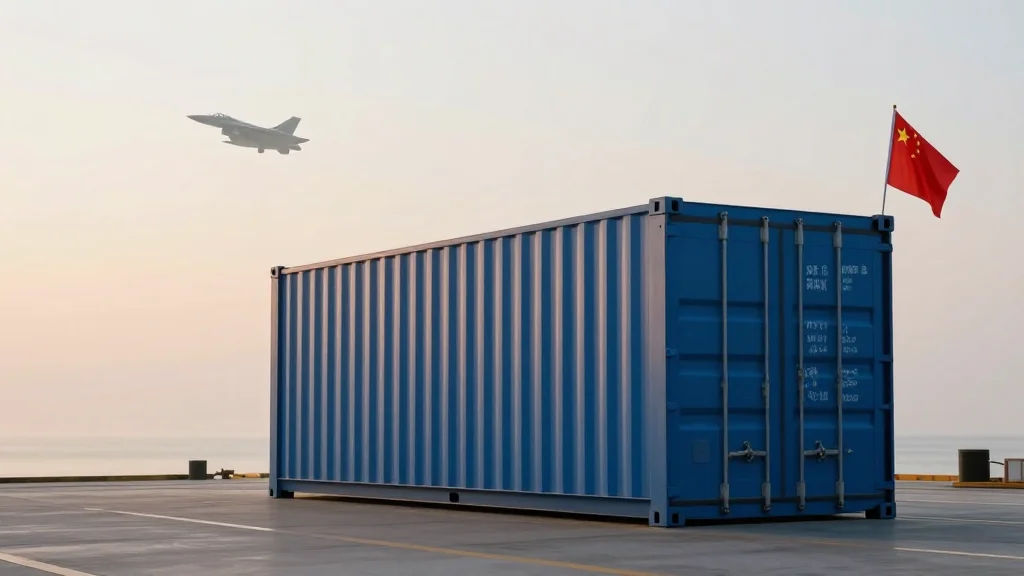
- •Chinese coast guard conducting customs inspections on Taiwan-bound merchant vessels
- •Civil aviation authorities demanding flight manifests, tightening air traffic control
- •Private airlines and shippers comply to avoid detentions, reducing Taiwan's trade flow
- •U.S. focus on missile threats overlooks gray‑zone economic pressure tactics
- •Experts urge Washington to develop counter‑coercion tools beyond military deterrence
Pulse Analysis
China’s gray‑zone strategy against Taiwan hinges on leveraging civilian regulatory powers rather than overt military force. By deploying coast‑guard vessels to inspect cargo ships and demanding flight manifests, Beijing creates a legal pretext to disrupt the island’s logistics network. This approach exploits the reluctance of commercial operators to risk detention, effectively throttling trade and travel without crossing the threshold of armed conflict. Analysts see this as a calculated effort to erode Taiwan’s economic resilience while keeping the crisis below the radar of conventional defense planning.
The United States’ current Taiwan policy emphasizes missile defense, naval patrols, and diplomatic support, but it largely ignores the subtler, yet equally damaging, economic coercion tactics. Freymann argues that Washington must expand its deterrence framework to include legal, financial, and diplomatic countermeasures—such as rapid‑response legal assistance for affected carriers, insurance guarantees, and coordinated multilateral pressure on Beijing’s customs claims. By reinforcing the commercial sector’s ability to operate independently of Chinese pressure, the U.S. can blunt the effectiveness of Beijing’s non‑military leverage.
Beyond the immediate Taiwan‑China dynamic, this coercive playbook signals a broader shift in how great powers may contest contested regions. Supply‑chain vulnerabilities, especially in high‑tech components, become strategic weapons, prompting allies to reassess their own exposure to similar tactics. Strengthening regional trade agreements, diversifying shipping routes, and investing in resilient logistics infrastructure are essential steps for the Indo‑Pacific community. As the gray‑zone threat matures, policymakers must anticipate and counteract economic intimidation with the same vigor they apply to kinetic threats, ensuring stability and open markets across the region.
The Real Threat to Taiwan
Comments
Want to join the conversation?
Loading comments...