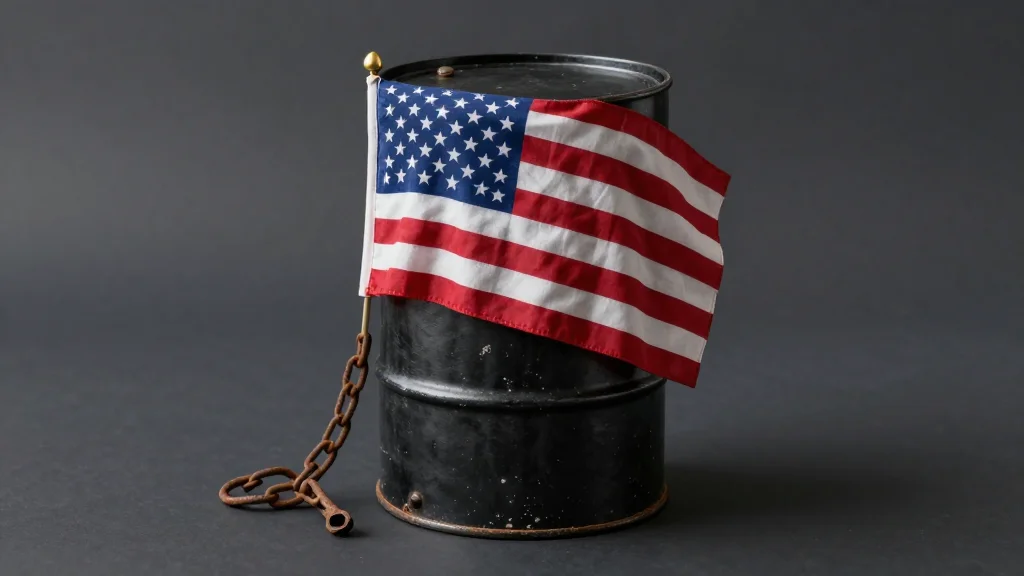
The Return of Russia Oil Sanctions
Companies Mentioned
Why It Matters
Reinstating oil sanctions directly attacks Russia’s primary revenue stream, bolstering U.S. support for Ukraine while highlighting enforcement gaps that Moscow can exploit. The decision also ties energy policy to broader U.S. pressure on Iran and European aid dynamics.
Key Takeaways
- •US let oil sanctions waiver expire, re‑imposing restrictions
- •Russia could still evade via ship‑to‑ship transfers and intermediaries
- •Senate Democrats say waiver let Russia earn $4 billion extra
- •Ukraine welcomes reduced Russian oil revenue amid ongoing war
- •EU's $98 billion Ukraine loan may proceed after Hungarian leadership change
Pulse Analysis
The Treasury’s decision to let the general‑license waiver lapse restores the October sanctions that target Russia’s flagship producers Rosneft and Lukoil. The waiver, introduced in March to blunt rising energy prices after Iran’s blockade of the Strait of Hormuz, allowed oil already in transit to be sold without penalty. Critics argue the short‑term relief was a misstep, saying it let Moscow pocket an estimated $4 billion in extra revenue, while officials maintain that most oil taxes are collected at the wellhead, limiting the overall fiscal hit.
Politically, the move underscores the Biden administration’s pivot toward a tougher stance on Moscow, aligning with Senate Democrats who have long pressed for stricter enforcement. Kyiv hails the action as a vital lever to erode the Kremlin’s war financing, especially as the conflict drags into its sixth month. At the same time, Washington is juggling a new naval blockade of the Strait of Hormuz aimed at Iran, and the European Union is poised to release a roughly $98 billion loan to Ukraine now that Hungary’s leadership has shifted. These intertwined developments illustrate how energy sanctions have become a central tool in the broader geopolitical chessboard.
For markets and compliance officers, the reinstated sanctions raise immediate operational challenges. Russian exporters are likely to increase reliance on ship‑to‑ship transfers, third‑party brokers, and opaque financing structures to skirt the rules. Companies doing business in the sector must tighten due‑diligence, monitor vessel movements, and prepare for secondary‑sanction risks. Analysts expect oil price volatility to persist as the U.S. balances pressure on Iran with efforts to limit Russian cash flow, making the next few weeks critical for both policymakers and investors.
The return of Russia oil sanctions
Comments
Want to join the conversation?
Loading comments...