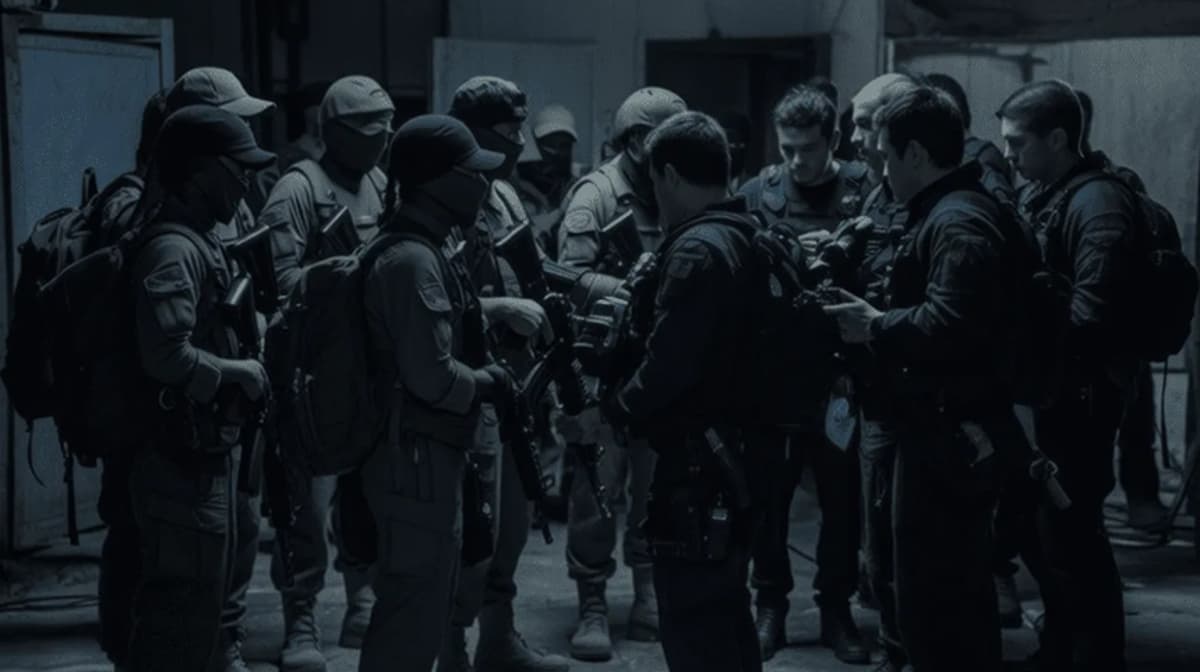
The Role of Foreign Fighters in a Taiwan Resistance Scenario
•February 11, 2026
0
Why It Matters
Integrating foreign volunteers could strengthen Taiwan’s deterrence and make a PLA invasion costlier, while also signaling international resolve against aggression.
Key Takeaways
- •Taiwan may recruit foreign volunteers for guerrilla resistance
- •Ukraine's International Legion offers a recruitment blueprint
- •Infiltration challenges stem from Taiwan's island geography
- •Successful integration requires language training and local mentorship
- •Foreign fighters could boost legitimacy and attrition against PLA
Pulse Analysis
Taiwan’s defense posture has increasingly emphasized asymmetric warfare, famously dubbed the “porcupine strategy,” which relies on dispersed, low‑cost weapons and guerrilla tactics to make an invasion prohibitively expensive. While conventional forces focus on deterrence, a well‑planned resistance network could extend Taiwan’s strategic depth by leveraging foreign volunteers who bring combat experience, specialized skills, and a symbolic international presence. This hybrid approach blends indigenous anti‑ship missiles, drones, and MANPADS with the operational flexibility that external fighters can provide, potentially turning a conventional occupation into a protracted insurgency.
Recruitment and infiltration are the most complex elements of any foreign‑fighter program. Ukraine’s International Legion demonstrated how global appeals, secure online portals, and diaspora networks can funnel thousands of volunteers into a conflict zone. Taiwan would need to adapt this model to its island context, using diplomatic missions, encrypted communications, and diaspora organizations to vet candidates and coordinate covert entry via small vessels, submarines, or airdrops. Emerging technologies—autonomous drones, AI‑driven ISR, and cyber‑jamming—could mitigate the PLA’s surveillance advantage, but logistical constraints and language barriers remain significant hurdles that must be addressed in pre‑conflict training.
From a policy perspective, preparing for foreign‑fighter integration sends a powerful deterrent signal to Beijing and reassures allies of Taiwan’s resolve. Early investment in language courses, cultural orientation, and joint exercises with partner nations can smooth the transition from recruitment to operational deployment. Moreover, establishing clear codes of conduct and command structures preserves sovereignty while allowing foreign expertise to enhance combat effectiveness. By embedding these capabilities into peacetime planning, Taiwan not only bolsters its own resilience but also creates a credible cost‑imposition mechanism that could dissuade aggression in the Indo‑Pacific theater.
The Role of Foreign Fighters in a Taiwan Resistance Scenario
0
Comments
Want to join the conversation?
Loading comments...