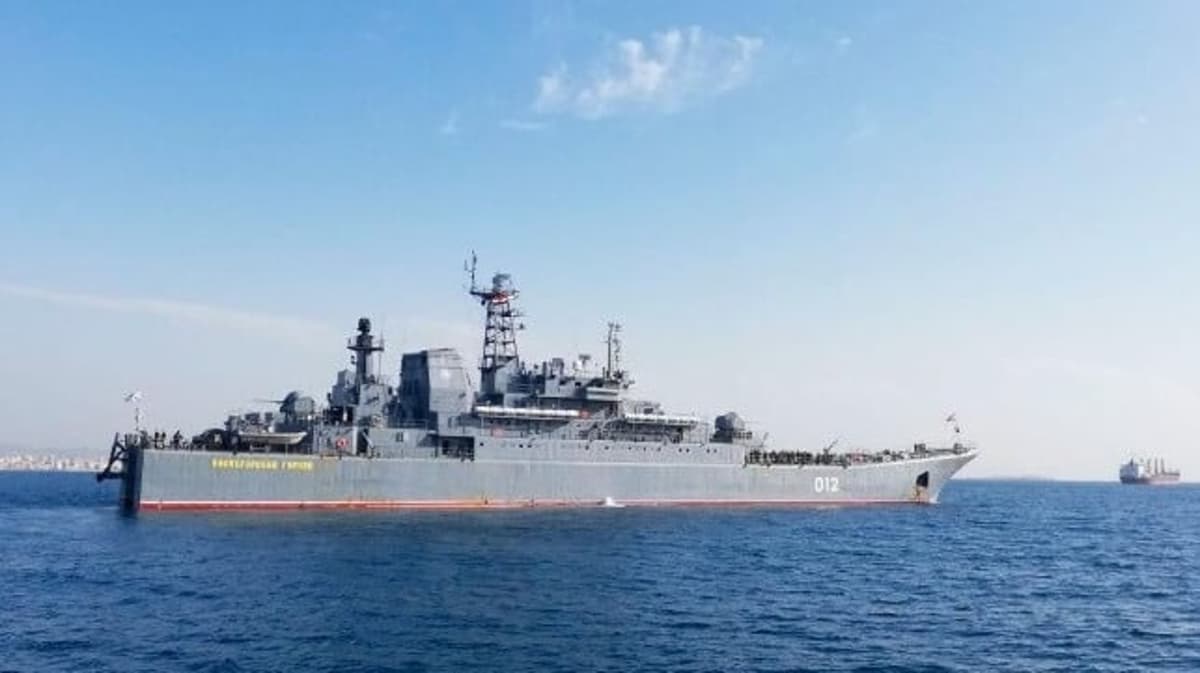
The Russian Navy Is Reestablishing Its Mediterranean Base in Syria
Why It Matters
Restoring Tartus gives Russia a strategic Mediterranean logistics hub, enhancing its naval reach and altering the regional balance of power.
Key Takeaways
- •RFS Stoykiy remains docked in Tartus, signaling renewed Russian presence
- •Logistics convoy escorted by frigate Admiral Kasatonov heads toward Tartus
- •Spoofed AIS signals suggest deliberate concealment of convoy's true destination
- •Algeria's facilities used, but political limits hinder permanent Russian base
Pulse Analysis
Since the Soviet‑Era defense pact with Syria, Tartus has been Russia’s sole Mediterranean foothold. After a lull following the 2024 Syrian government change, the Steregushchiy‑class corvette RFS Stoykiy re‑docked in April, marking the first sustained presence in months. The ship’s extended loitering, coupled with historic berthing rights, hints at a shift from occasional port calls to a more permanent deployment. This move restores a strategic logistics node that enables Russian warships to operate farther from home ports and project power across the Mediterranean corridor.
The accompanying logistics convoy, shielded by the Gorshkov‑class frigate Admiral Kasatonov, underscores the operational depth of the revival. Consisting of the tanker General Skobelev, Ro‑Ro vessel Sparta, and oiler Akademik Pashin, the convoy carries fuel, spare parts, and ammunition essential for sustained fleet activity. Its deliberate AIS spoofing—pretending a Baltic route while heading for Port Said—signals an intent to obscure Russian supply lines from NATO surveillance. Such deception amplifies the convoy’s strategic value, ensuring that Tartus can support a full‑scale Mediterranean flotilla without external interference.
The timing aligns with the United States’ complete pullout from Syria in April, removing a key counterbalance to Russian ambitions. With the HTS government’s earlier suspension of the 1971 agreement now seemingly reversed, Moscow can re‑establish a permanent base, bolstering its naval deterrence against NATO’s southern flank. Meanwhile, Algeria remains a reluctant partner; its ports provide interim support but political sensitivities prevent a formal Russian base. The re‑emergence of Tartus as a logistical hub could reshape power dynamics in the Eastern Mediterranean, influencing energy routes, regional security, and future diplomatic negotiations.
The Russian Navy is Reestablishing its Mediterranean Base in Syria
Comments
Want to join the conversation?
Loading comments...