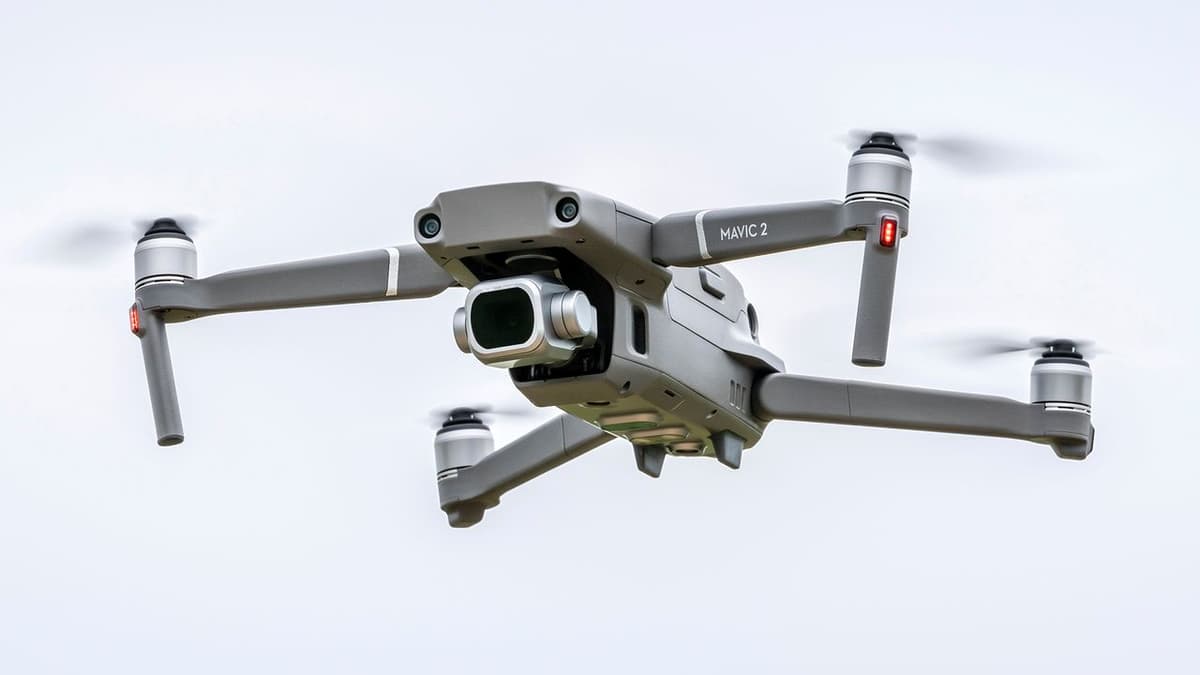
'The Second Life of Drones': Why Thousands of UAVs in Ukraine Have Stopped Working, How a Team of 'Craftsmen' Is Fixing 24,000 Obsolete Drones Every Year, and What It Means for the Future of the Drone Industry

Companies Mentioned
Why It Matters
The refurbishment pipeline restores combat capability without new procurement, saving resources and extending the life of costly UAV assets. It also forces the drone industry to confront the need for modular, updatable designs to survive modern electronic‑warfare environments.
Key Takeaways
- •ReDrone refurbishes ~24,000 Ukrainian drones annually.
- •Electronic warfare shortens usable drone frequencies to under three months.
- •Barter system evolved into formal workshop replacing outdated transmitters.
- •Lack of modular standards forces costly field repairs and waste.
Pulse Analysis
Ukraine’s reliance on large‑scale drone contracts has exposed a critical vulnerability: the procurement cycle is too slow for the fast‑evolving electronic‑warfare battlefield. When adversaries identify a UAV’s control frequency, they can jam it within weeks, rendering freshly delivered aircraft ineffective. This mismatch forces the armed forces to sit on stockpiles of functional hardware that cannot communicate, a problem that reverberates across any nation that depends on bulk‑ordered, sealed UAVs for reconnaissance or strike missions.
Enter ReDrone, a grassroots repair hub that has turned a chaotic barter system into a disciplined refurbishment operation. By stripping out obsolete video transmitters and swapping in newer, frequency‑agile modules, the workshop restores flight capability to drones that would otherwise be scrapped. The process also recovers usable components—motors, controllers, fiber‑optic coils—to service additional airframes, creating a self‑sustaining ecosystem that delivers roughly 2,000 operational UAVs each month. For the Ukrainian military, this translates into immediate, low‑cost augmentation of aerial assets, reducing the need for fresh procurement and preserving limited defense budgets.
The broader implication for the drone industry is a call to redesign for adaptability. Manufacturers must move beyond sealed black‑box designs toward modular architectures with standardized connectors and interchangeable radios, enabling rapid field upgrades in response to signal‑jamming threats. Open standards, while introducing security considerations, could dramatically cut waste, shorten logistics loops, and keep UAV fleets relevant longer. As electronic warfare continues to compress technology lifecycles, the ReDrone model may become a blueprint for militaries worldwide seeking to extend the utility of existing drone inventories.
'The second life of drones': Why thousands of UAVs in Ukraine have stopped working, how a team of 'craftsmen' is fixing 24,000 obsolete drones every year, and what it means for the future of the drone industry
Comments
Want to join the conversation?
Loading comments...