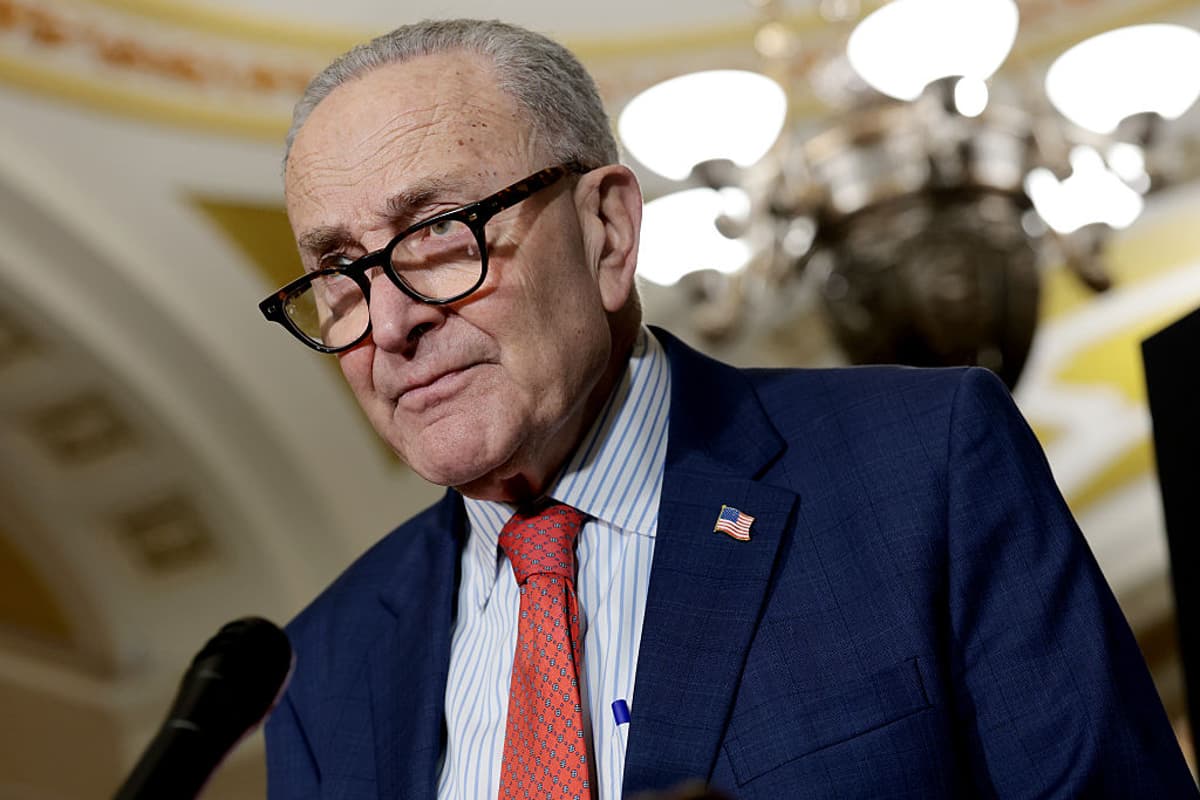
The Seven Democrats Who Joined Republicans in Opposing Measure to Block Arms Sales to Israel
Why It Matters
The split reveals weakening bipartisan consensus on Israel aid, potentially reshaping future U.S. arms‑export approvals and Middle‑East policy. It also signals heightened electoral pressure on Democrats to reconsider unconditional support for Israel.
Key Takeaways
- •Seven Democrats voted with Republicans to reject arms‑sale block
- •Resolution would have halted sale of military bulldozers to Israel
- •A second bill targeting 12,000 bombs also failed in Senate
- •Sanders cites 80% of Democrats opposing Israel’s war policies
- •Vote signals growing Democratic split over U.S. support for Israel
Pulse Analysis
The Senate’s dismissal of Sanders’ resolution marks a watershed moment for U.S. foreign‑policy politics. Historically, Israel has enjoyed near‑universal congressional backing, but the 40‑59 vote—bolstered by seven Democrats—highlights a palpable shift driven by public backlash against civilian casualties and the perception of endless regional wars. This fracture is not merely symbolic; it could translate into tighter scrutiny of future arms‑export licenses, especially as the Defense Department prepares multi‑billion‑dollar packages for Israel’s ongoing operations.
Underlying the legislative outcome is a broader realignment within the Democratic Party. Polls cited by Sanders show roughly 80% of Democrats now view Israel’s current leadership unfavorably, a stark reversal from previous decades. Lawmakers like Chuck Schumer and Kirsten Gillibrand, long‑standing pro‑Israel figures, faced protests and pressure from activist groups, illustrating how grassroots movements are influencing senior senators. The divergence also reflects strategic calculations: while some Democrats fear abandoning a key ally could embolden Iran or jeopardize U.S. citizens in the region, others prioritize domestic priorities and voter sentiment over foreign entanglements.
Looking ahead, the Senate’s stance may reshape the legislative calculus for future aid packages. Lawmakers may now demand stricter conditions, greater transparency, or even conditionality tied to human‑rights benchmarks before approving new sales. For defense contractors, this could mean longer approval timelines and heightened compliance costs. For the broader geopolitical landscape, a more cautious U.S. posture could alter Israel’s strategic options, potentially prompting diplomatic initiatives aimed at de‑escalation. The evolving dynamic underscores how domestic politics increasingly intersect with international security decisions, reshaping the contours of American influence in the Middle East.
The Seven Democrats Who Joined Republicans in Opposing Measure to Block Arms Sales to Israel
Comments
Want to join the conversation?
Loading comments...