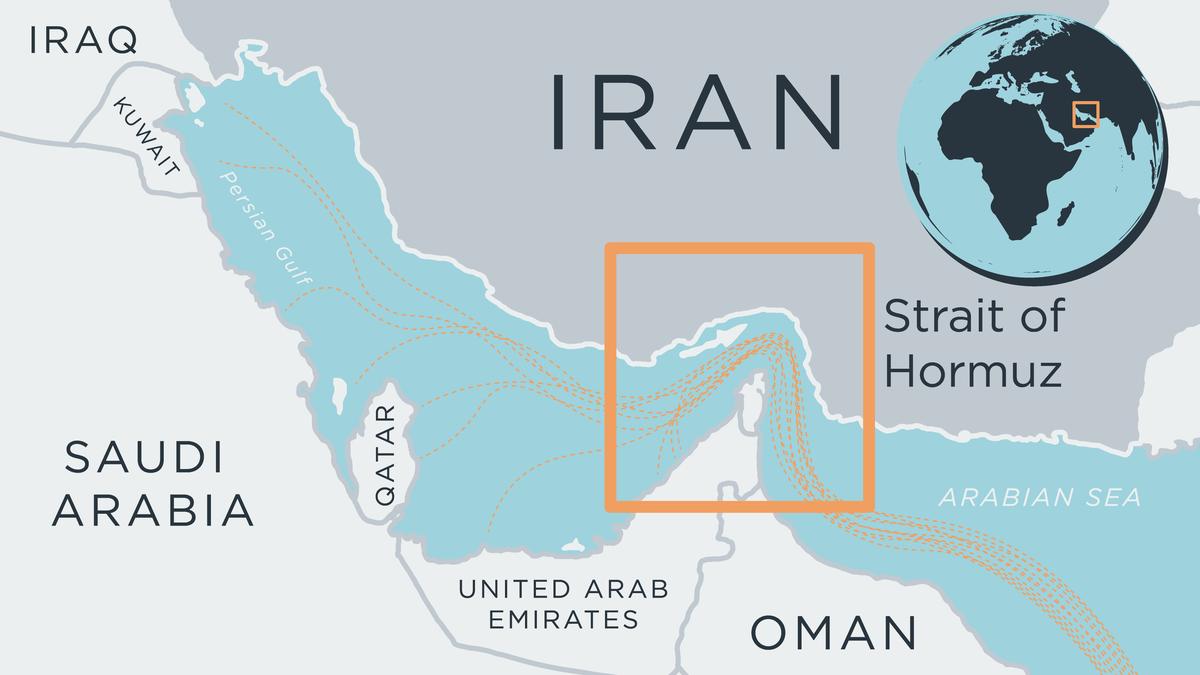
The Strait of Hormuz to Reopen, Says Iran
Companies Mentioned
Why It Matters
Reopening the Strait restores a vital conduit for global oil flows, potentially lowering energy costs, but lingering financial stress and geopolitical uncertainty limit broader economic recovery.
Key Takeaways
- •Strait of Hormuz reopened, easing immediate oil transport constraints
- •Crude prices dropped ~10% following the announcement
- •Corporate borrowing costs for lower‑rated firms have doubled since February
- •Insurance premiums surged 50% and may stay high pending risk reassessment
- •Market rally remains fragile amid unresolved regional conflict
Pulse Analysis
The Strait of Hormuz handles about a fifth of the world’s petroleum trade, making its status a barometer for global energy stability. Its closure earlier this year forced tankers to detour around the Cape of Good Hope, inflating freight costs and tightening supply. By reopening the passage, Iran signals a willingness to de‑escalate, prompting traders to slash Brent and WTI futures as the risk premium on oil shipments recedes. This shift not only benefits refiners but also eases inflationary pressure on consumers who have faced soaring gasoline prices.
Beyond the headline‑grabbing oil price dip, the broader financial landscape remains under strain. Since late February, borrowing costs for lower‑rated corporates have more than doubled, reflecting heightened sovereign and credit risk across the region. Insurance firms, which saw premiums jump 50% amid heightened maritime threats, are unlikely to roll back rates until they observe sustained security improvements. Moreover, supply chains that were rerouted around Africa cannot instantly revert, leaving logistics firms and import‑dependent businesses with lingering cost inefficiencies. These factors collectively dampen the immediate economic boost that lower oil prices might otherwise deliver.
Looking ahead, the durability of the reopening is the key variable for markets. While the U.S. maintains a counter‑blockade on Iranian ports until a comprehensive peace settlement, any further flare‑ups could swiftly reverse the gains. Investors will watch for signs that the cease‑fire holds, as a stable Strait could give the Bank of England room to resume rate cuts, easing credit conditions. Until then, the risk premium embedded in energy, insurance and corporate financing is likely to persist, keeping the broader recovery on a cautious footing.
The Strait of Hormuz to reopen, says Iran
Comments
Want to join the conversation?
Loading comments...