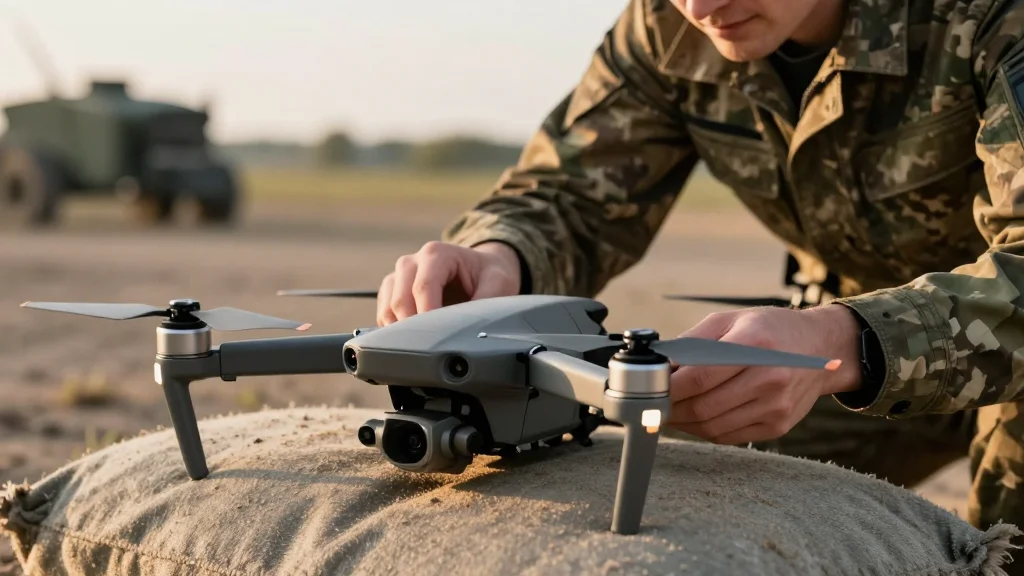
The Tables Have Turned. Ukraine Is Now Readying the West for Modern War with Its Weapons and Combat Expertise.
Why It Matters
Ukraine’s emerging role as a defense innovator strengthens NATO’s collective readiness and creates new avenues for defense‑industry collaboration, accelerating the adoption of cost‑effective, combat‑proven technologies.
Key Takeaways
- •NATO uses Ukrainian drone operators as adversary in exercises
- •Ukraine's JATEC integrates battlefield lessons across the NATO alliance
- •Allies pursue Ukrainian low‑cost interceptor drones and production expertise
- •Ukrainian instructors train German, Danish, Polish forces on front‑line tactics
- •Western firms partner with Ukrainian defense firms to speed weapon development
Pulse Analysis
The war in Ukraine has forced a rapid evolution of combat technology, turning the country into a crucible for low‑cost, high‑impact solutions. From cheap interceptor drones that neutralize hostile UAVs to streamlined production lines that cut months off delivery times, Ukrainian innovators have proven that speed and adaptability can outweigh sheer firepower. This shift has caught the attention of Western defense planners who now view Ukraine not merely as a recipient of aid but as a source of battlefield‑tested innovations that can be replicated across allied forces.
NATO’s response has been to institutionalize this knowledge transfer. The Joint Analysis, Training and Education Centre (JATEC) in Ukraine serves as a hub where alliance members absorb Ukrainian tactics, especially in drone warfare and counter‑drone operations. German, Danish, and Polish militaries have already embedded Ukrainian instructors into their curricula, using them as realistic adversaries in exercises. These exchanges are bidirectional: Ukrainian experts receive feedback on doctrine suitability while NATO gains a front‑line perspective that sharpens its own readiness for high‑intensity, technology‑driven conflicts.
Beyond training, the partnership is reshaping the defense industrial base. Western firms are co‑locating production with Ukrainian companies, leveraging their rapid prototyping methods and reduced red‑tape processes. Countries like Denmark and Norway are planning to manufacture Ukrainian‑designed drones domestically, creating supply‑chain resilience and reducing dependence on traditional, slower‑moving defense contractors. This collaborative model not only accelerates the fielding of next‑generation weapons but also cements Ukraine’s strategic role as a hub of modern warfare expertise, influencing the future trajectory of global defense procurement.
The tables have turned. Ukraine is now readying the West for modern war with its weapons and combat expertise.
Comments
Want to join the conversation?
Loading comments...