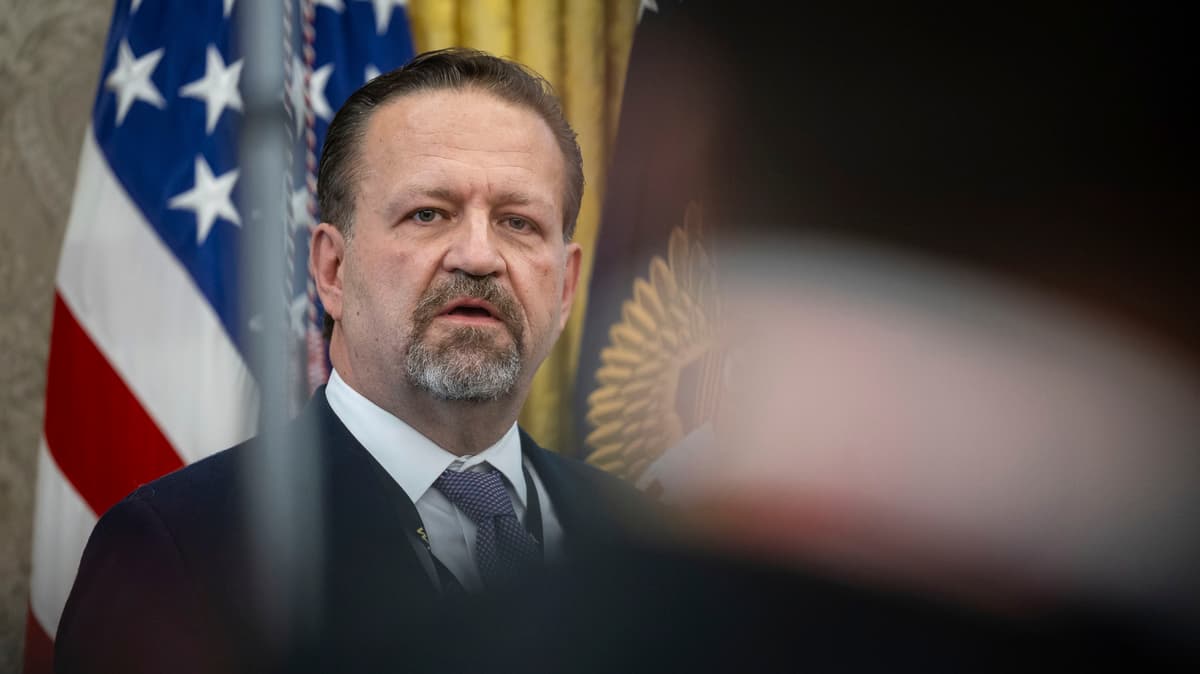
The Trump Counterterrorism Strategy Makes America More Vulnerable
Why It Matters
A poorly crafted strategy erodes confidence in U.S. counterterrorism capabilities and signals vulnerability to adversaries, while diverting focus from genuine threats like Iran and jihadist networks.
Key Takeaways
- •Strategy authored by Sebastian Gorka, lacking counterterrorism expertise
- •Document labels narcotics gangs and trans‑gender activists as terror threats
- •Traditional threats like Iran receive inconsistent emphasis
- •Report offers generic actions, no concrete priorities or resources
- •Critics grade it D+, calling it intern‑level work
Pulse Analysis
The United States traditionally issues a Counterterrorism Strategy after an extensive inter‑agency process involving the National Security Council, the intelligence community, the Department of Defense, and the FBI. These documents set clear priorities, allocate resources, and signal to allies and adversaries alike how America will confront evolving threats. When a strategy deviates from that rigorous framework, it raises questions about the administration’s commitment to safeguarding the homeland and maintaining strategic coherence.
The 2026 strategy released under President Trump departs dramatically from past editions. Written by former White House adviser Sebastian Gorka—whose academic credentials and field experience have been widely criticized—the paper conflates traditional terrorist organizations with domestic political groups, narcotics cartels, and even transgender activists. Its threat taxonomy includes "Narcoterrorists and Transnational Gangs" and "Violent Left‑Wing Extremists," categories that appear designed to legitimize political grievances rather than address genuine security risks. The document offers only vague imperatives such as "identify terror actors before they act" and "cut off funding," without outlining specific programs, budgets, or measurable objectives.
The implications are stark. Allies may doubt the United States’ ability to lead coordinated counterterrorism efforts, while adversaries could interpret the muddled messaging as a sign of strategic weakness, potentially emboldening state sponsors like Iran. Domestically, the conflation of political dissent with terrorism threatens civil liberties and undermines public trust in security institutions. To restore credibility, policymakers must reinstate a disciplined, expertise‑driven drafting process that separates partisan narratives from genuine threat assessment, ensuring that future strategies are both actionable and internationally respected.
The Trump Counterterrorism Strategy Makes America More Vulnerable
Comments
Want to join the conversation?
Loading comments...