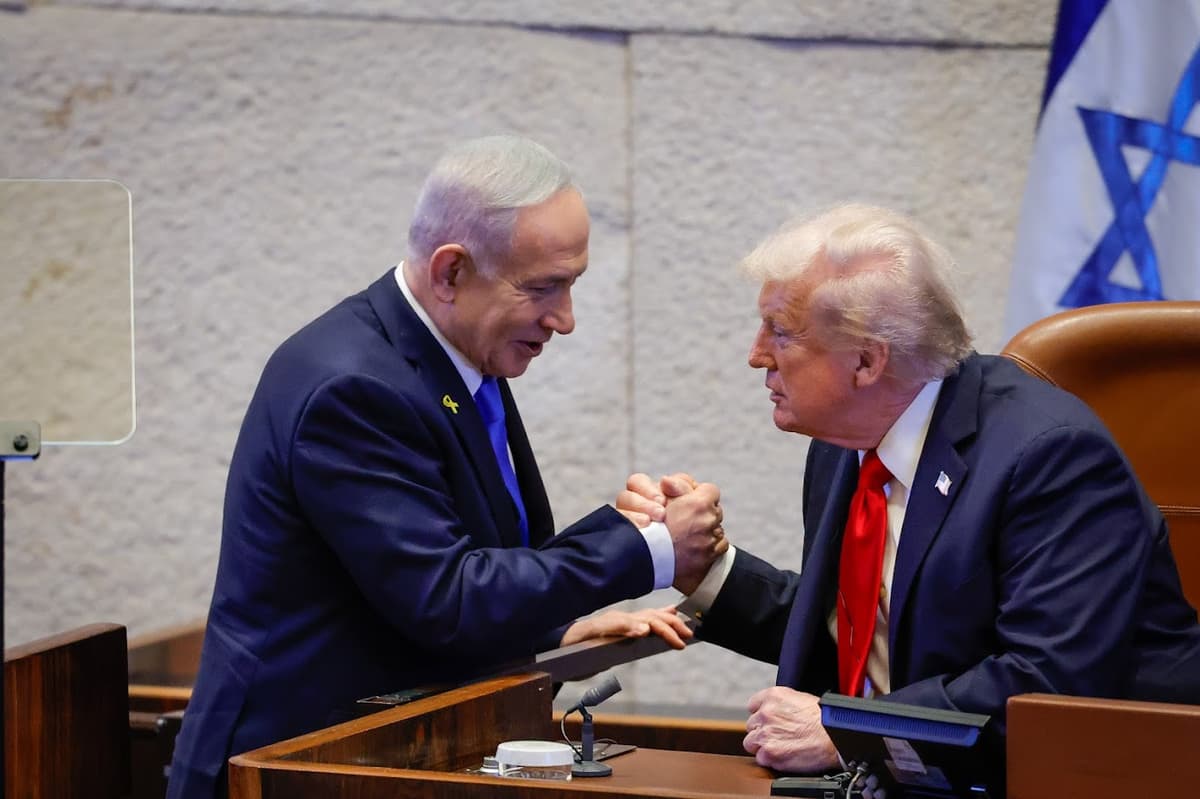
The Unthinkable Is Becoming Reality. The United States and Israel Are Heading for Divorce
Companies Mentioned

Why It Matters
The weakening U.S.–Israel alliance could reshape Middle‑East security dynamics and alter U.S. foreign‑policy priorities, while domestic political calculations increasingly hinge on the issue.
Key Takeaways
- •Senate votes against Israel aid rose from 11 to 40 Democrats
- •Gallup shows 41% of Americans now sympathize with Palestinians
- •Netanyahu aims to cut U.S. assistance to zero within ten years
- •Both Democratic and Republican voters under 50 show growing anti‑Israel sentiment
- •Right‑wing influencers criticize perceived ‘Israel First’ U.S. policy
Pulse Analysis
The growing congressional resistance to Israel aid reflects a broader realignment of American values. Bernie Sanders’ repeated attempts to block bulldozer shipments, though unsuccessful, have galvanized a sizable bloc of Democrats, signaling that opposition to unconditional support is no longer fringe. This shift is amplified by demographic changes: younger voters, who will dominate future elections, are markedly more critical of Israel’s policies, a trend confirmed by Gallup and Pew surveys. As the Senate’s internal calculus evolves, policymakers must reckon with a constituency that increasingly ties foreign aid to human‑rights considerations.
Israel’s strategic calculus is also changing. Prime Minister Benjamin Netanyahu’s decade‑long plan to wean the nation off U.S. military assistance underscores a desire for greater autonomy and a perception that American backing has become a liability rather than an asset. The move aligns with Israel’s broader push to diversify defense partnerships and invest in indigenous technology, reducing reliance on what many in Tel Aviv view as conditional goodwill. However, the transition carries risks: a sudden funding gap could strain Israel’s operational readiness, especially amid ongoing regional tensions.
For U.S. foreign policy, the implications are profound. A less predictable ally may compel Washington to reassess its Middle‑East strategy, potentially reallocating resources toward broader regional stability initiatives or new partnerships. Domestically, politicians across the aisle must balance traditional pro‑Israel constituencies with an electorate that is increasingly skeptical of unconditional aid. The convergence of congressional dissent, shifting public sentiment, and Israel’s own drive for self‑sufficiency suggests a gradual, but irreversible, redefinition of the once‑taken‑for‑granted U.S.–Israel relationship.
The unthinkable is becoming reality. The United States and Israel are heading for divorce
Comments
Want to join the conversation?
Loading comments...